
Few things sting like months of craft tips met by a traffic chart that never moves.

Readers and teachers type specific, decision-driven questions, while posts about outlining methods and comma splices mostly reach fellow writers. Topic choice and page format shape whether your name shows up when readers ask ChatGPT or Google, which is the heart of getting cited in AI answers. Build each post around one quotable answer.
The thirteen ideas below fall into four groups, and most need nothing beyond your manuscript and research notes.
TL;DR
- Readers search reading orders, the true stories behind fiction and suitability details before they commit to a book.
- Ending explainers, glossaries and cut scenes keep finished readers around and watching for your next release.
- Teachers, students and book clubs search on a yearly cycle, and author blogs rarely serve them.
- Your own launch numbers and platform tests produce marketing posts nobody else can write.
- Check demand before drafting, then give every post one search intent so your pages never compete with each other.
How These Thirteen Made the Cut
Every one of these blog topics for authors had to pass a reader-first filter, the same one behind Jenn Hanson-dePaula’s guide to blog topics for fiction writers.
Reader demand varies by genre: romance and romantasy are particularly strong in digital and indie publishing, while fantasy, thrillers, science fiction, and horror also attract substantial demand (writersofthewest.net). A cozy mystery series and a narrative history book won’t share the same high-volume questions, so treat high demand blog topics as something you confirm with search data for your genre, never something you assume. The same demand check applies in every niche, which is why the other niche topic guides start from what people search.
Which of your book’s details do strangers ask about most?
Questions Readers Type Before They Buy
These searchers are weighing a decision. They already know your book exists or they’re circling your genre, and they want one specific answer before they click “buy.”
1. A Reading-Order Page That Ends the Series Confusion
Anyone typing “[series name] in order” is ready to buy book one or the next installment, which puts this search about as close to a sale as it gets.
Open the page by telling readers where to start, since visitors want to know what you think is the best place to begin (Author Media): “Start with [Book One], published [year].”
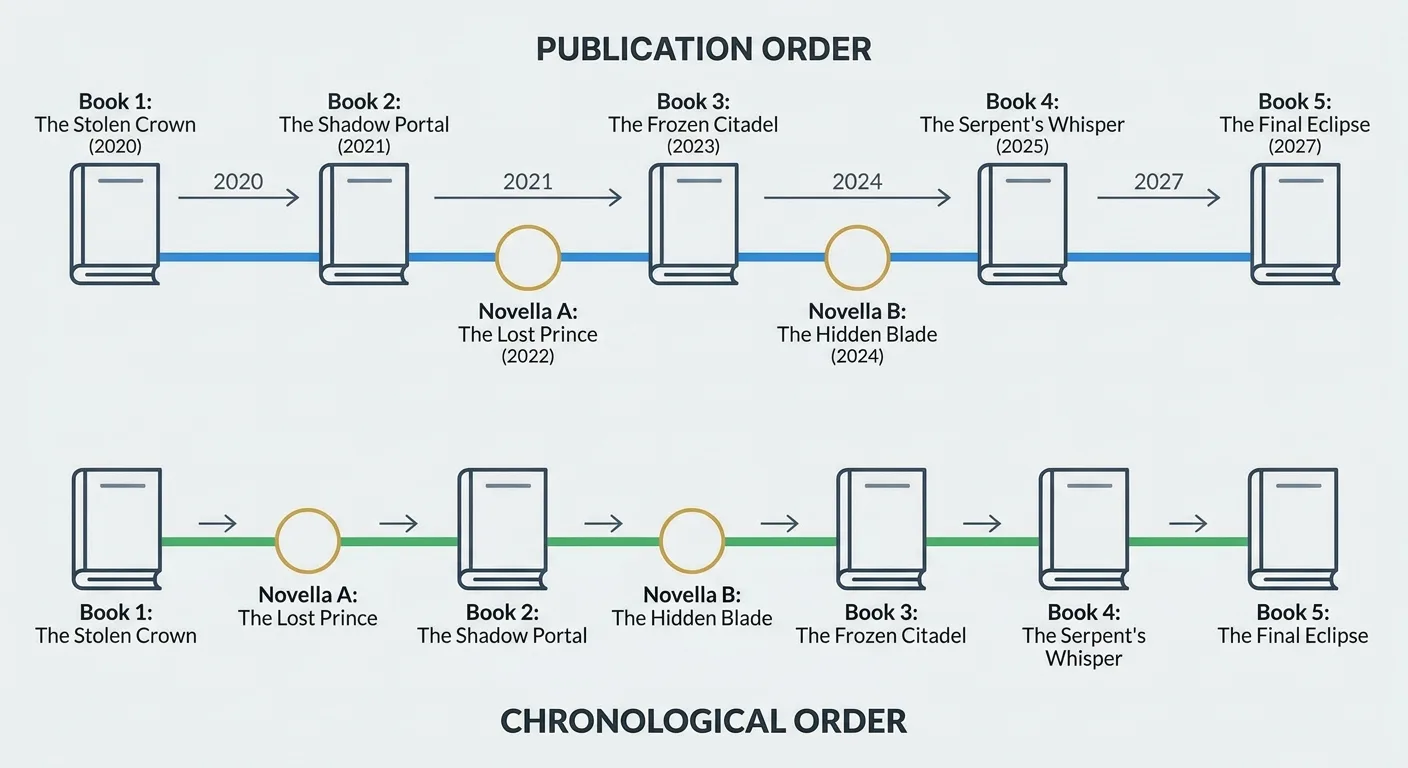
Underneath, give readers everything they need to commit:
- Publication order and in-world chronological order, side by side
- Novellas and short stories, clearly marked
- One recommended starting book
- Buy links for each format
Update this page at every release. An outdated order page quietly erodes trust, and readers who spot a stale list will hunt for the answer elsewhere.
Standalone Authors Get a Version Too
No numbered series? Questions about where to start reading still come up whenever several books share a world, a setting or a recurring cast. A short “Start here” page handles them. Sort your books by reader taste, such as darkest first or shortest first, and say plainly who each one suits.
2. The True Story Your Novel Grew Out Of
People search for real shipwrecks, epidemics, forgotten laws and vanished towns whether or not they’ve heard of your book. Because that interest doesn’t depend on your book, this entry offers reach beyond people who already know your title. Someone drawn in by the subject discovers your novel afterward, already curious.
The structure is straightforward:
- Pick one real element per post.
- Write the factual explainer first, as a standalone piece worth reading.
- Close with how your novel uses that material, and where it departs from the record.
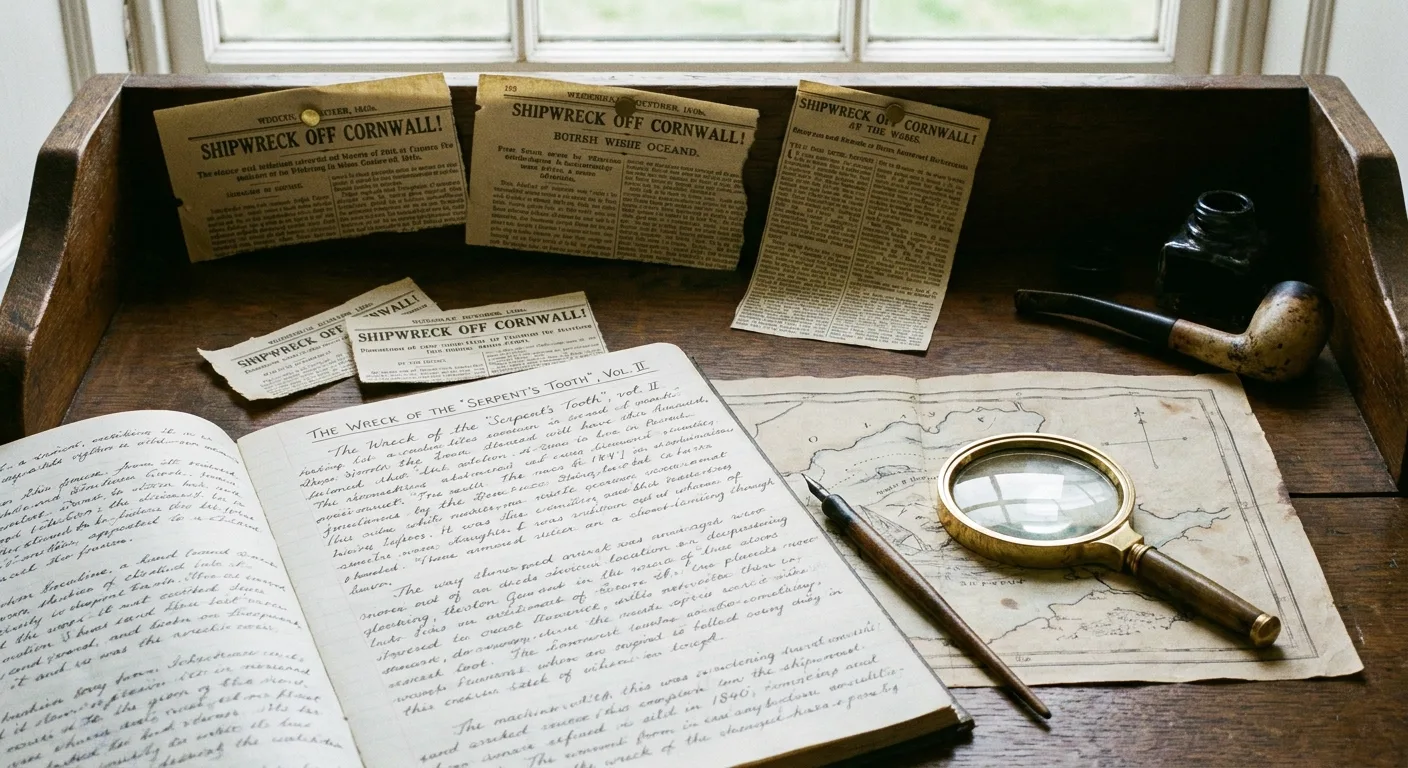
Accuracy matters most here, since history buffs and subject experts will read these pages closely. Run every date, name and figure through a simple fact-checking workflow before publishing, and link the primary sources inside the post itself. Flag the liberties you took, too, because readers forgive invention they were told about.
What did your research turn up that still surprises you?
3. Trope and Theme Reading Lists That Include Your Book
Found family, locked-room puzzles, slow-burn romance: readers hunt by trope because they already know what they want. Title each list with the exact words readers search, such as a plain trope-plus-genre phrase. Witty titles that no one would ever type into a search bar simply stay invisible.
Curate eight to ten picks with a one-line reason for each. Group them by mood or heat level where that helps, and place your own book with honest positioning about who it suits.
You earn a spot on your own list by being generous to others first. A list stacked with your own titles reads as a sales page, and readers notice. Recommend other authors with real enthusiasm, and featured authors may share the list.
4. Content Notes and Age-Fit Pages That Answer the Quiet Question
Parents, school librarians and readers with specific sensitivities search for whether a book contains certain material or suits a particular age. Librarians and schools may buy multiple copies, and careful readers buy once they feel sure. For both groups, a plain and truthful page is often what tips them into buying.

Build one page per book. Put a short age-guidance line at the top, then list the notes inside a collapsible spoiler section.
Some readers dislike any advance warning, so keep the notes opt-in and plainly labeled. Worried that notes will scare people away? Honest notes help the right readers choose your book, and readers who get what they expected rarely feel misled.
Pages That Keep Finished Readers Close
Readers who finish your book and love the ending can’t wait for the next one (Career Authors). Judge these posts by a different yardstick. Count signups, replies and repeat purchases first, and keep traffic among the SEO KPIs worth tracking only as a secondary signal for these pages.
5. An Ending Explainer for the Readers Who Can’t Let Go
Readers who finish a twisty, ambiguous or emotional book may go online looking for an explanation of the ending. Recap sites often capture that search. Your page should, since an author-written explainer is the answer from the source, and it can hint at what comes next.
Those readers arrive at peak emotion, the ideal moment to offer a newsletter signup. Shape the page around that moment:
- Open with a bold spoiler warning and a short non-spoiler summary.
- Clarify what’s settled in the story and what you left open on purpose.
- Close with a signup prompt tied to the next book.
Don’t over-explain. Answering every question can flatten a deliberately open ending, so clear up the factual confusion and leave the interpretive questions with your readers.
Which scene do readers email you about most?
6. A Glossary or World Guide for Readers Who Want More
Fantasy, sci-fi and sprawling historical fiction readers look up character names, places, invented terms and timelines between books. Those lookups tend to rise during rereads and before sequels, so a living world guide keeps earning visits long after launch.
Give each character, place or term its own entry. Lead with a one-line definition, add a tag showing the book where it first appears, and cross-link related entries so readers can browse.
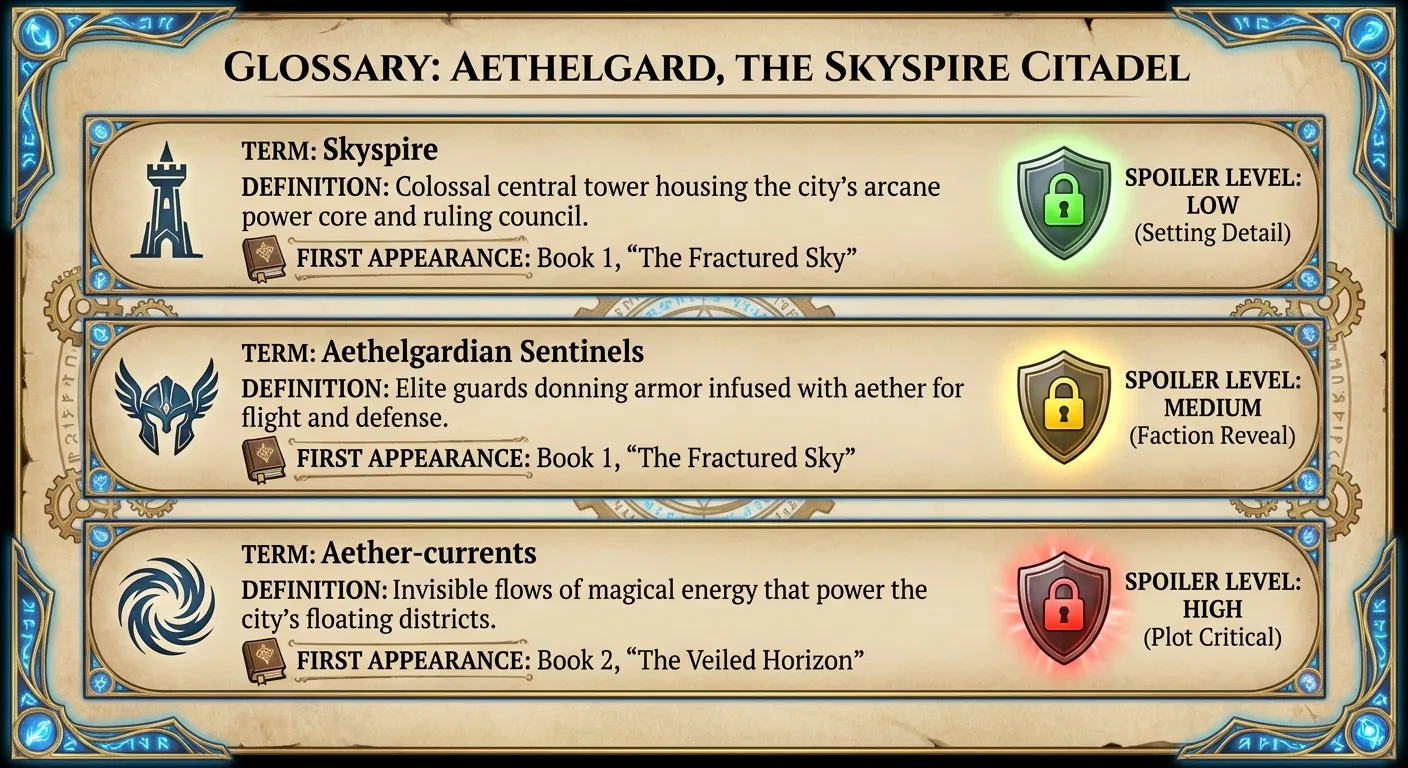
Every new book changes old entries, and a careless update can spoil book three for someone still reading book one. Version the guide by book number so early-series readers stay safe. The guide doubles as your own series bible, too (which saves you headaches in book four).
7. Deleted Scenes and Cut Chapters With Your Reasons Attached
No one else owns this material. Readers who finish your book see it as a bonus, and your explanation of why the scene was dropped is what keeps the post worth reading.
Use it in two ways:
- Publish a short excerpt on the blog with your note on why it went.
- Offer the full scene as a newsletter signup incentive.
Two cautions apply before you post anything:
- Traditionally published authors should check their contract first, since some agreements cover related material.
- A cut scene you might later reshape into a standalone short story is a different case. In The Short Story Editor’s author blog post ideas, writers seeking traditional publication credits are warned against posting stories on their blogs, since many journals reject previously published work. A blog post can close that door.
Classrooms, Book Clubs and the Readers Who Study
Book club hosts, teachers and students read on a schedule, and their choices can mean multiple copies. They run the same searches every year, yet rarely land on a page written by the author. Since those searches peak around the start of term and when clubs plan their lineups, publish before those windows open.
8. A Book Club Kit Hosts Can Print and Use Tonight
Hosts search for discussion questions shortly before a meeting. A club that picks your book means every member needs a copy, and a ready kit keeps your title on future shortlists.
The kit needs three things: ten to twelve discussion questions, a short author note and a printable PDF.

Question quality decides whether the evening works. Plot-recall questions fall flat in a room full of people who all read the same book, while open-ended questions about choices and morality spark real conversation. A themed recipe or playlist is an optional extra.
Offering a Virtual Visit Without Burning Out
Some clubs look for authors who will join by video. Add a simple request form to the kit page with a clear session length and a monthly cap. Open-ended availability fills a calendar fast, and your manuscript still needs you.
9. A Teacher Resource Page Aligned to How Lessons Get Planned
Teachers look for novels with ready lesson material, especially in middle grade, YA and narrative nonfiction. One adoption can mean a full class set of copies, which can recur year after year.
Organize the page the way teachers plan. List themes, suggested grade bands and cross-curricular hooks such as history or science, then add a few writing prompts and a downloadable guide.
Overstating grade fit costs teacher trust fast, and teachers talk to each other. Keep this page consistent with the age-fit guidance from entry 4 so the two never contradict.
Which subject could your book support beyond English class?
10. Scene Breakdowns That Show Students How a Book Gets Built
Students and aspiring writers search for how specific scenes, structures and techniques work. For writing classes, an annotated breakdown also supplies unique blog ideas for students, who can annotate a passage of their own the same way. Here, craft content justifies its spot on your blog because it stays anchored to your own pages and draws readers who may turn into fans. Where entry 2 starts from the subject, this entry starts from technique.
Pick one scene. Annotate a short excerpt, explain the technique at work (pacing, point of view or foreshadowing), and describe what you revised along the way. End with an exercise students can try on their own drafts.
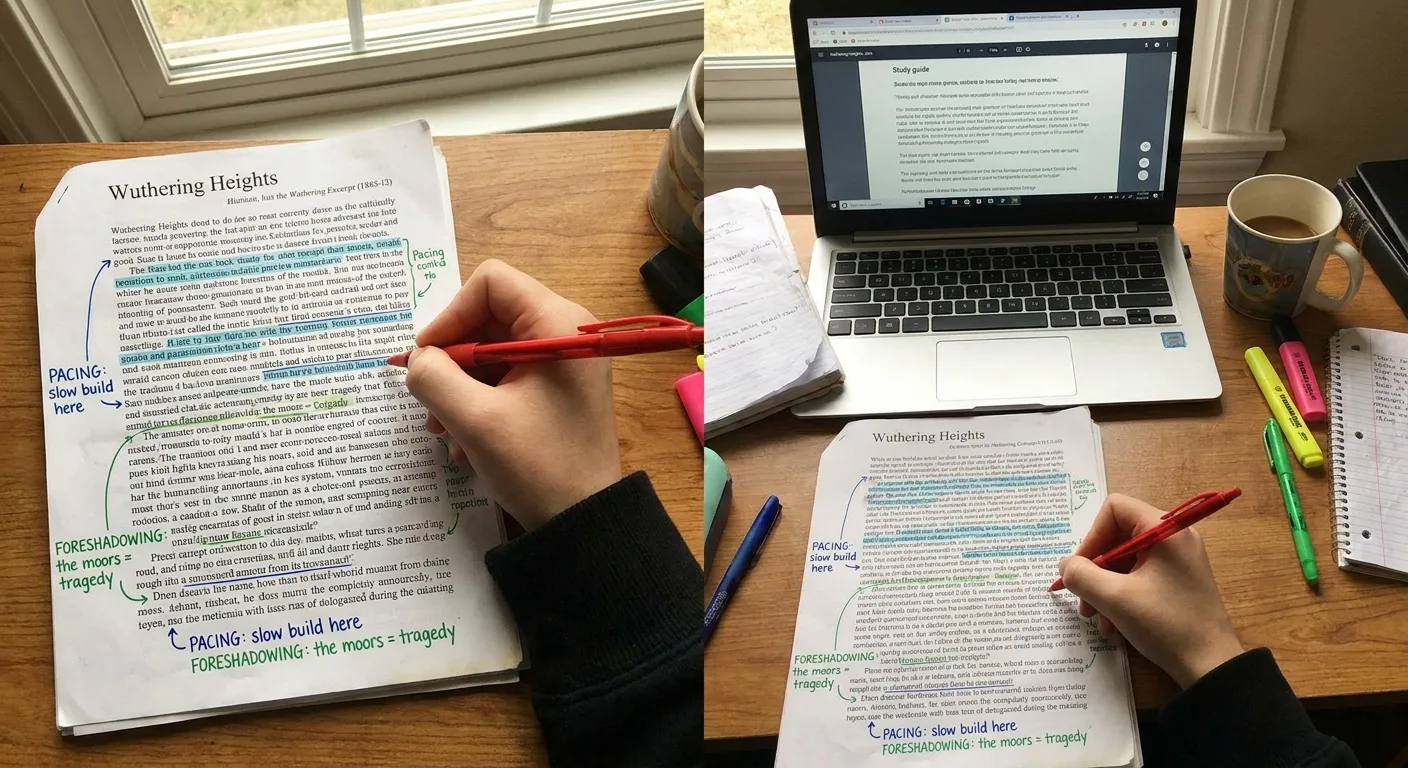
Keep excerpts short. Brevity respects publisher permissions and avoids spoiling key turns for students who haven’t finished the book.
Marketing Lessons Only Your Data Can Teach
Fellow authors search too, and they share and link to honest, documented results.
11. A Launch Post-Mortem With Real Numbers
Authors want to know what happens during a launch: sales by channel, ad spend, preorder patterns and what fell flat. Launch post-mortems are one of the few digital marketing blog topics built on data only the author holds, and real numbers are more shareable and citable than general advice.
Break results down by channel, week and format. Note what you’d change next time. Publish within a month, while the details are still fresh.

Two limits keep the post honest. Some contracts restrict what traditionally published authors can disclose, so check yours. A single launch also can’t speak for every book, so name your genre and audience size at the start.
What surprised you most in your last launch?
12. Platform Experiments You Ran and Measured
Which platforms actually sell books? Documented experiments, such as a month of short videos or a reader-community test, turn familiar social media blog topics into evidence other authors can use.
Before you begin, set a single goal and a fixed test window, then log the details shown in the table below. Because platform algorithms shift often, put a clear date on your findings rather than treating them as lasting rules. A test that produced nothing is still worth publishing.
Reporting these details turns a test into one of the more useful social media marketing blog topics, because readers can check your method:
| Detail to report | What to record | Why readers need it |
|---|---|---|
| Starting audience | Followers or subscribers on day one | Lets readers judge scale |
| Genre | Your category and subgenre | Shows who the result applies to |
| Time spent | Hours per week across the test | Reveals the real cost |
| Metric tracked | The single metric chosen before starting | Prevents cherry-picked wins |
| Outcome | The result, including null results | Keeps the report honest |
13. Cover and Blurb Revisions, Before and After
Readers like watching a book’s packaging evolve, while fellow authors gain real evidence of what a fresh cover or blurb can achieve.
Show both versions side by side and explain your reasoning. If the new blurb was rewritten around retailer search terms, note how keyword analysis on Amazon shaped the wording. Then share the results where you can.
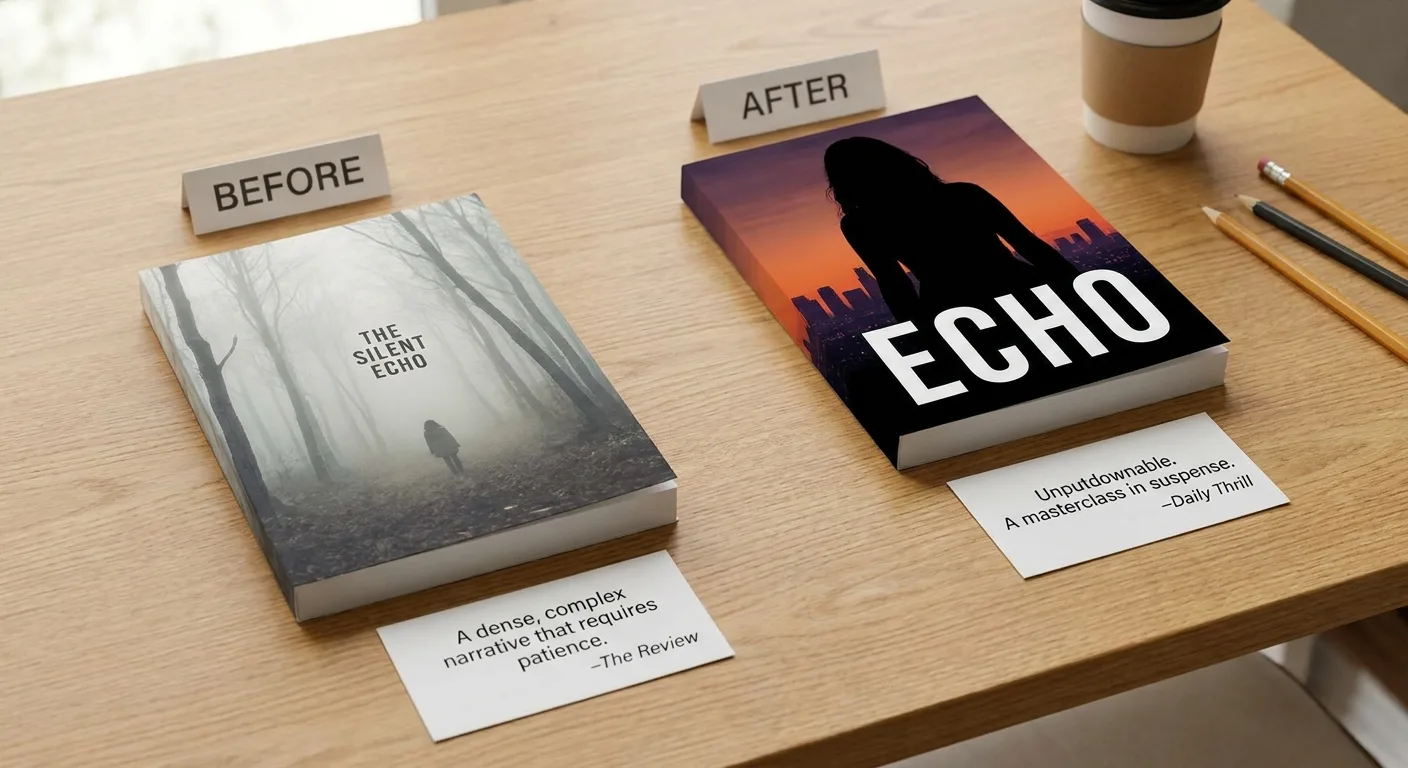
Ads, seasonality and plenty of other factors can move sales. Give the new cover only the credit your evidence supports, and admit it openly when its impact can’t be isolated.
Picking Which of These to Write First
Find the row that matches your books and start there.
| Your situation | Write first | Pair it with |
|---|---|---|
| Numbered series | 1. Reading-order page | 6. Glossary or world guide |
| Standalones in a shared setting | 1. “Start here” version | 3. Trope and theme lists |
| Research-heavy historical fiction | 2. The true story behind it | 10. Scene breakdowns |
| Middle grade or YA | 4. Content notes and age fit | 9. Teacher resource page |
| Twisty or open ending | 5. Ending explainer | 8. Book club kit |
| Growing a newsletter list | 7. Deleted scenes | 5. Ending explainer |
| Launched within the past month | 11. Launch post-mortem | 13. Cover and blurb revisions |
| Testing social platforms | 12. Platform experiments | 11. Launch post-mortem |
Gut feel is a risky way to choose blog topics for authors.
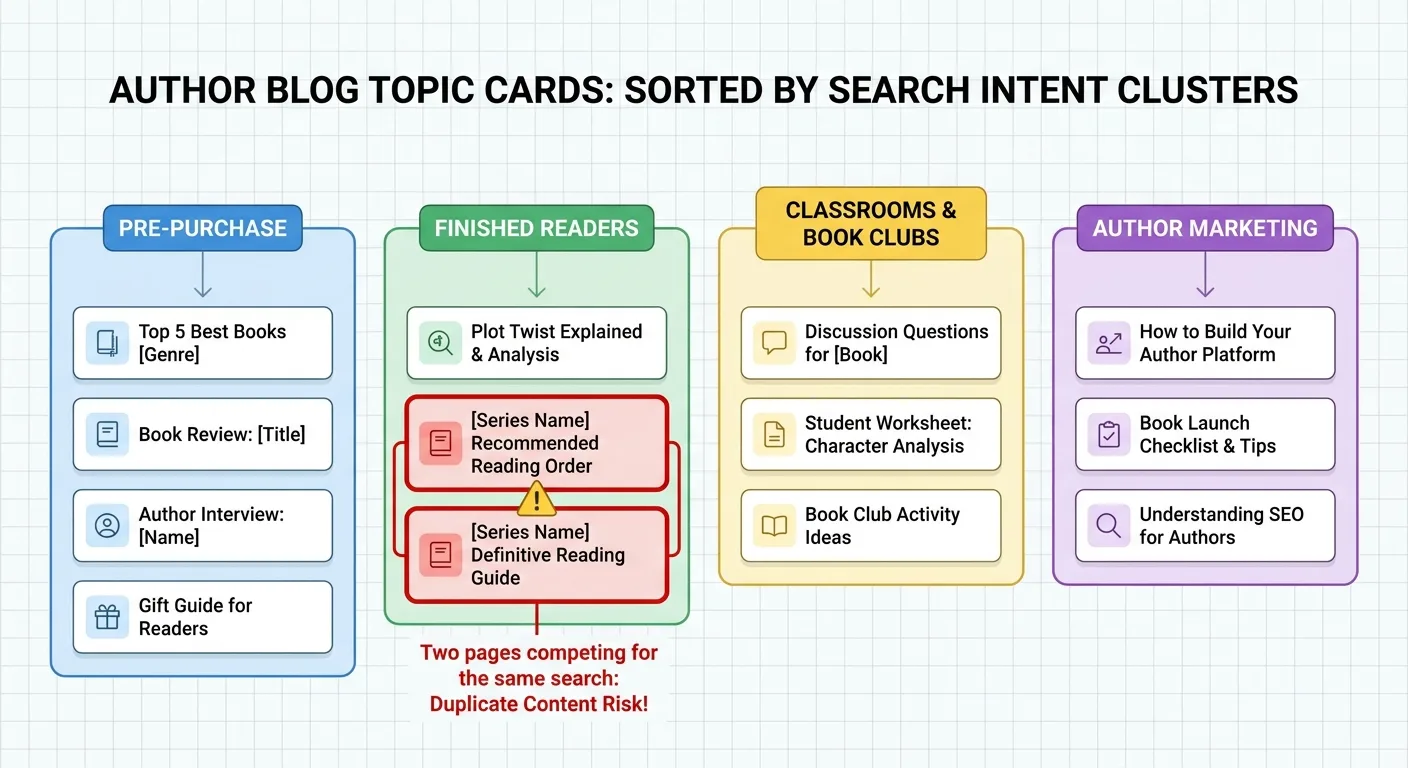
Overlap causes a quieter problem: when two or more pages compete for the same keyword and search intent, authority gets split and neither performs as well as one consolidated page would (seranking.com). Two reading-order pages can split one search between them, and an explainer on how keyword clustering tools work shows how grouping searches by meaning keeps each post on its own intent.
Vee3.ai is built to handle these checks as SEO automation from crawl to rank. As described on the Vee3.ai homepage, Vee3.ai crawls, researches, plans, writes, fact-checks, publishes and measures in one workspace, which covers the demand check, topic clustering and source verification this list relies on, including research-heavy posts such as entry 2.
Validate demand and cluster your topics before you write: start building on Vee3.ai.
Frequently Asked Questions
How often should an author publish blog posts?
One or two strong evergreen posts a month is a realistic target for working writers, and weekly filler adds little. Updating existing pages, such as your reading order or world guide, counts as productive blog work too. Launch periods can justify a short burst of extra posts, followed by a return to your normal pace.
Is a blog worth it before my first book comes out?
Yes, a blog is worth starting before your first book is out, because subject-led posts and trope reading lists are blog topics for authors that need no published title. Early posts give pages time to gain search visibility. Tracking how new pages rank shows when that visibility starts to arrive before launch day.
Can a newsletter replace an author blog?
A newsletter can’t replace an author blog, because each channel does a separate job. Blogs get found through search, and newsletters keep existing readers close. Blog posts also drive newsletter signups, and that is exactly why ending explainers and deleted-scene offers work so well. Authors with very little time can start with a few evergreen pages and a newsletter, then add posts gradually.
Final Thoughts
Writing time is scarce, and the manuscript will always pull at you. That’s fine, because you don’t need all thirteen.
Pick one topic this week, using the starting-point table above if you’re unsure, then check its demand and draft it. Publish it this month. One well-built page that answers a real reader question can do more than a year of posts nobody searched for. Once it’s live, you can reuse its structure for the next topic on this list whenever you’re ready.
Go write the page your readers already wish existed.