Most attention goes to public verdicts: a politician’s claim rated false, a viral post flagged in someone’s feed. Claims on blogs, product pages and AI-assisted drafts rarely get that outside scrutiny, and they can ship without anyone opening the cited source.
You may know the quiet dread of spotting a wrong figure on a page that’s already live.

Key Facts About Fact Checking
The Fact-Checking Definition Most People Stop Reading Halfway Through
Here’s the full fact-checking definition we work from: verifying factual statements (names, numbers, dates, quotes and causal claims) against primary evidence. Memory, roundups and summaries don’t count as evidence.
In practice, the fact-checking meaning splits into two moments, and headlines almost always go to the second one. The first starts early, ideally with source lists in content briefs that the writer verifies before drafting.
| Pre-publication check | Post-publication verdict | |
|---|---|---|
| When it happens | Before the piece goes live | After a claim is already circulating |
| Who usually does it | The writer, editor or editorial desk | Public fact-checking outlets |
| What it catches | Errors in your own draft | Claims from public figures, ads and viral posts |
| Who sees the result | Almost nobody; the fix ships quietly | The public, often in headlines |
Every fact-checking synonym you’ll come across captures part of the job and drops something else:
- Verification: close, though it also covers account and identity checks, so the word can blur.
- Claim review: names the output well and says little about where the evidence comes from.
- Source checking: confirms a source exists, without asking whether it supports the claim.
- Validation: leans toward data and software testing, and rarely implies opening a primary document.
- Proofreading: catches typos, not truth.
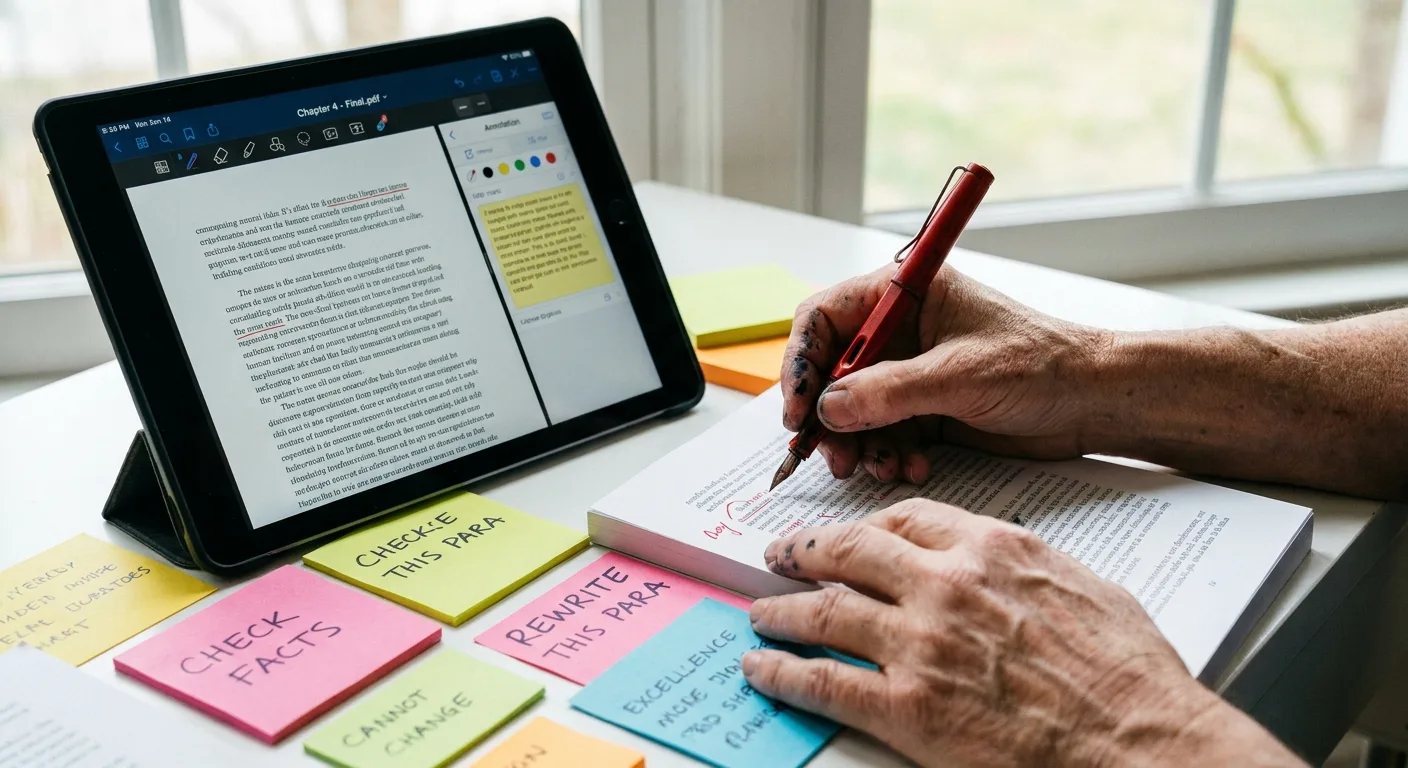
Opinions, tone and forecasts sit outside fact checking. A forecast can’t be true yet. The inputs behind it (last year’s figures, the growth rate it assumes) can still be checked.
The public, post-publication half is often the more familiar one, so it’s a useful place to start.
Live Verdicts, Viral Memes and the Sites That Grade Them
Speed and depth pull against each other in live fact-checking. Real-time rulings often carry “still checking” caveats that are easy to skip past.
Live fact-checking State of the Union coverage tries to rule mid-speech. The annual address serves here as a recurring format: a long speech, dense with numbers, delivered in one sitting.
Post-speech roundups have time to pull transcripts and primary data. That’s why fact checking State of the Union claims the morning after can produce verdicts with full sourcing attached.
When checking one commentator’s statements, as with fact checking Charlie Kirk, search an outlet’s archive by name and compare verdicts across appearances.
A fact checking meme calls for different habits. Cropped screenshots drop the date, and quotes get pinned on real people who never said them. Three quick checks help: find the earliest upload, confirm the date, and confirm the original speaker. Real words can mislead too, once their context disappears. Public outlets such as FactCheck.org, a project of the Annenberg Public Policy Center, publish reviews of political claims.
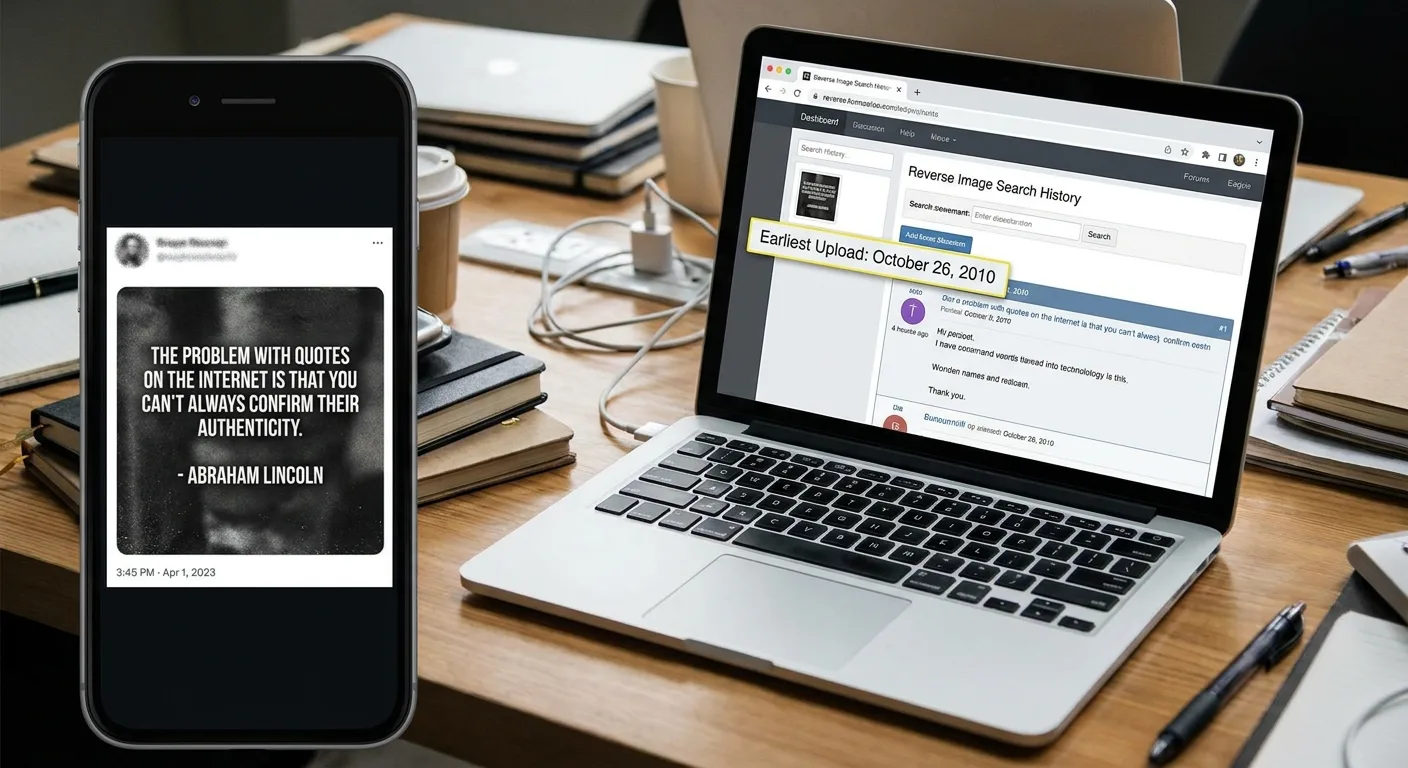
These outlets grade public claims; your pricing page and blog stats fall outside their scope, and no outside fact checking desk will review them for you.
Choosing a Fact-Checking Site You Can Trust
Lists of the best fact-checking sites go stale quickly; a checklist stays useful. Library guides such as the CSI Library at CUNY guide to fact-checking websites list outlets worth evaluating, and the points below belong at the top of your checklist:
- A published methodology
- A defined rating scale
- A corrections policy with a visible log
- Funding and ownership disclosure
- Primary-source links inside each verdict
- Consistent standards across political sides (the Florida Atlantic University guide to fact-checking sites describes each listed outlet, which helps you compare them)
Fact checking the fact checkers takes two clicks: open their sources yourself, then test whether the claim they rated is the one someone made.
Two outlets can rule differently on what looks like one claim without either acting in bad faith. The split often traces back to scoping. One rated the full sentence; the other rated a single number inside it.
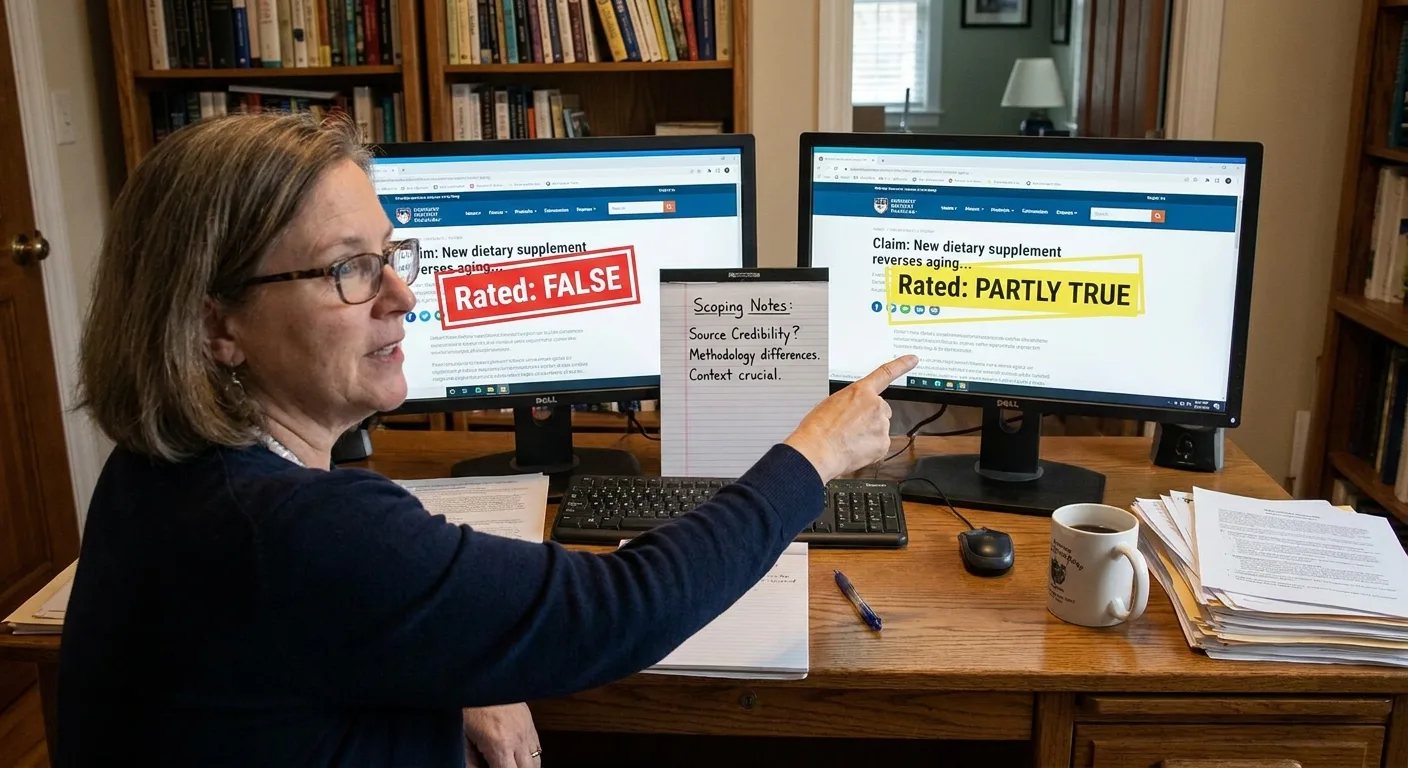
Even a strong fact checking site misses sometimes, and a fact-checking website that hides its corrections log is asking for trust it hasn’t earned.
Would your own pages pass this checklist? A common failure hides inside citations that look fine.
When a Cited Source Doesn’t Support Your Claim
Your citation can load perfectly, point to a credible publisher, and still never contain the figure you quoted.
| Mismatch type | What it looks like | Quick check |
|---|---|---|
| Number drift | A rounded or misremembered figure | Find the exact figure in the source and compare it digit by digit |
| Scope drift | A regional finding presented as global, or one industry presented as all | Read who and where the source measured |
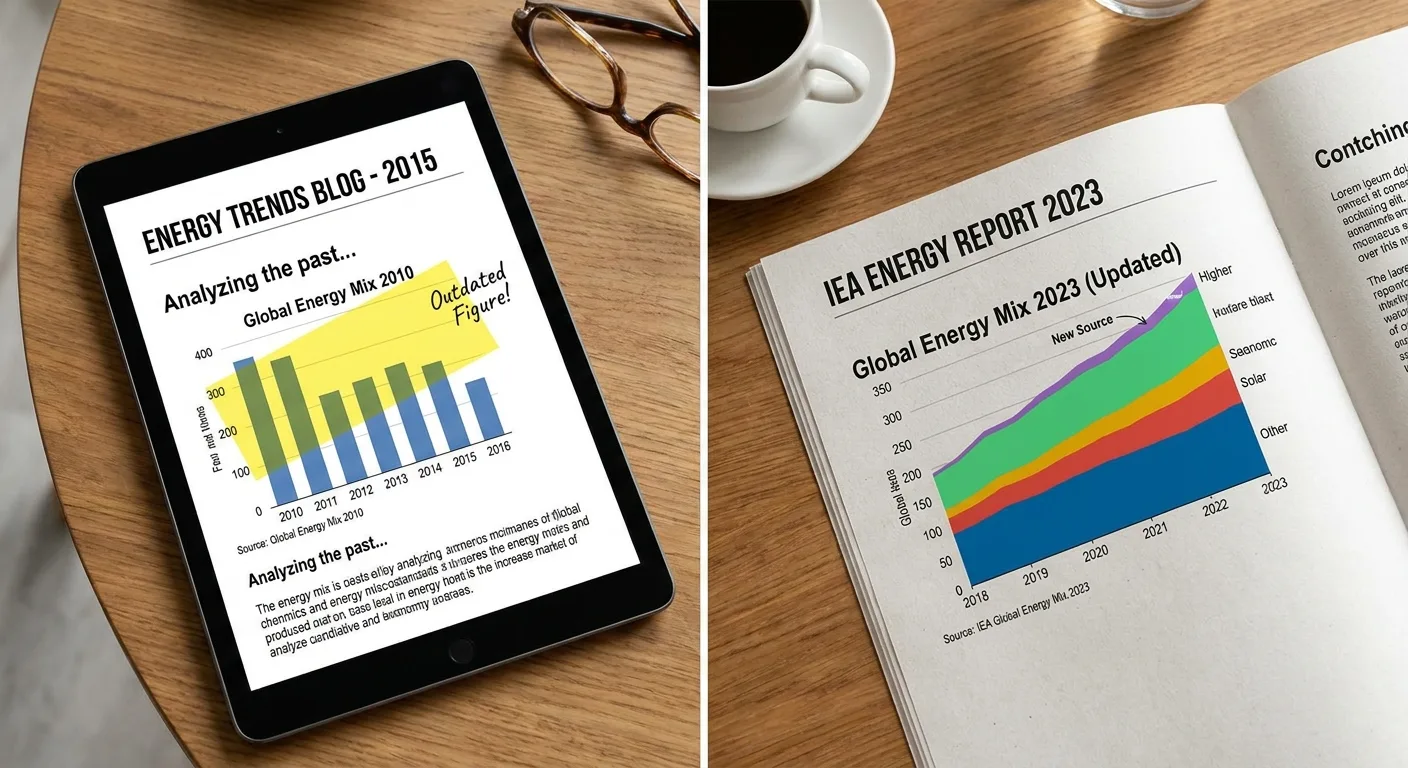
| Date drift | An old figure presented as current | Check when the data was collected, not when the page was updated |
| Source laundering | You cite a post that cites a study you never opened | Follow the chain to the original and cite that |
| Changed or dead page | The page moved, updated or no longer shows the figure | Reload, then check an archived version |
| Misattributed quote | Words credited to the wrong person or publication | Locate the quote in the speaker’s original transcript or text |
Scope drift shows up in public debates as well. Public fact-checkers such as FactCheck.org review political claims against the evidence offered for them, the same test your own drafts need.
How does this happen to careful writers? Three common causes: drafting from memory, AI drafts attaching plausible links nobody clicks, and citations copied from other articles without anyone opening the original.
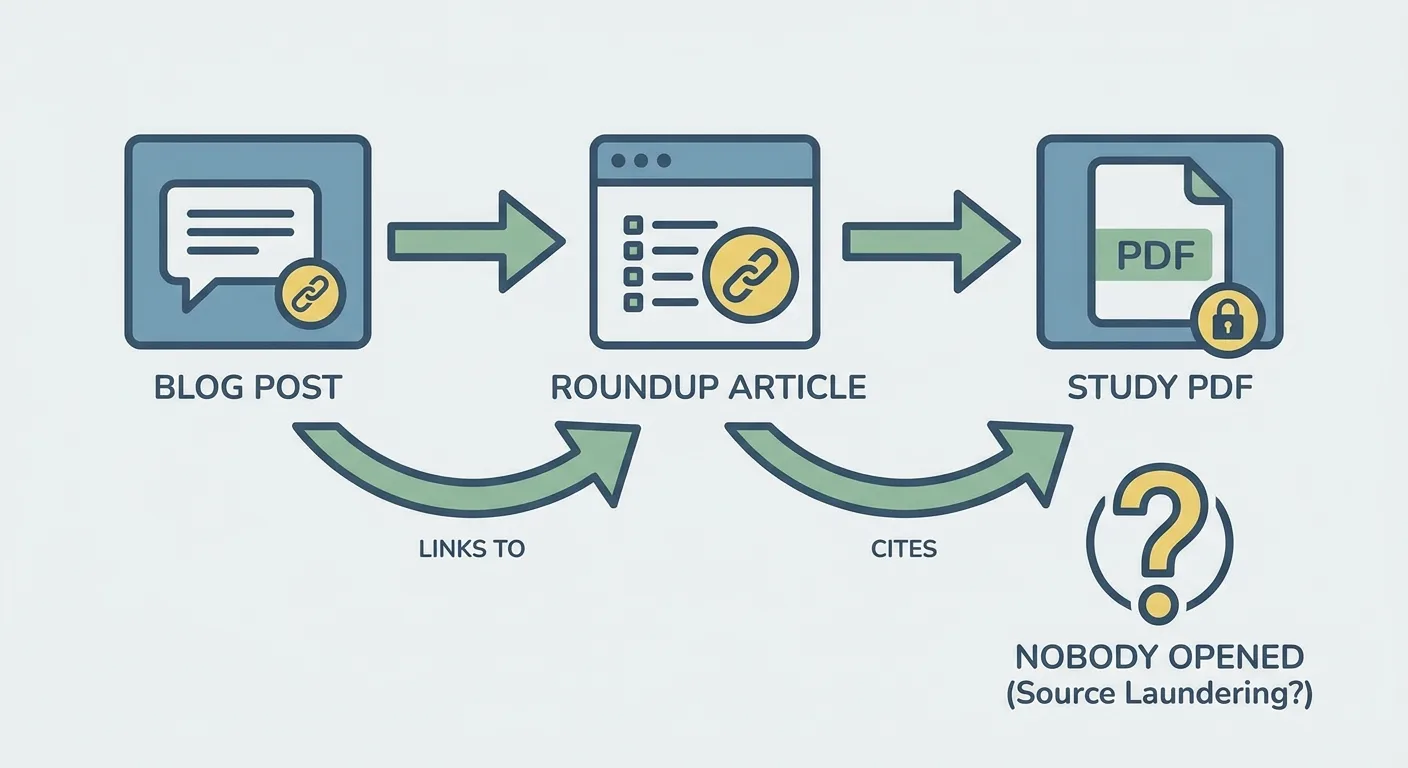
Proper fact checking of a citation takes minutes:
- Open the original page or PDF.
- Find the exact figure.
- Confirm its date and the population it describes.
- Note where it sits in the document.
AI answer engines raise the stakes. They can repeat a mismatched claim and attach your name to it. Teams that track how answer engines cite their pages may see a mismatched figure surface under their own brand.
How many citations in your last post did you open yourself?
Checking creates a fresh problem: finding honest words for the results.
Three Verdicts for Every Checked Claim
A true-or-false binary forces a “false” label onto claims you simply couldn’t confirm. A three-outcome scale works better for fact checking a draft, and each verdict comes with a next move. Content ratings fact-checkers use in their work | Transparency Center
| Verdict | What it means | Your next move |
|---|---|---|
| Supported | The source states the claim as written | Keep it, and log where in the document the figure appears |
| Not substantiated | You searched and found nothing that backs the claim | Cut it, soften it to what you can support, or replace it with a sourced alternative |
| Research incomplete | The source is paywalled, offline or too long to finish | Hold the claim until someone completes the check; don’t publish on hope |
Here is an illustrative case. A draft calls a software category “the fastest-growing segment” and links to an analyst firm’s press summary, while the full report sits behind a paywall. The summary repeats the phrase and never shows the underlying figure or its time frame. The claim stays on hold as research incomplete until someone reads the report itself.
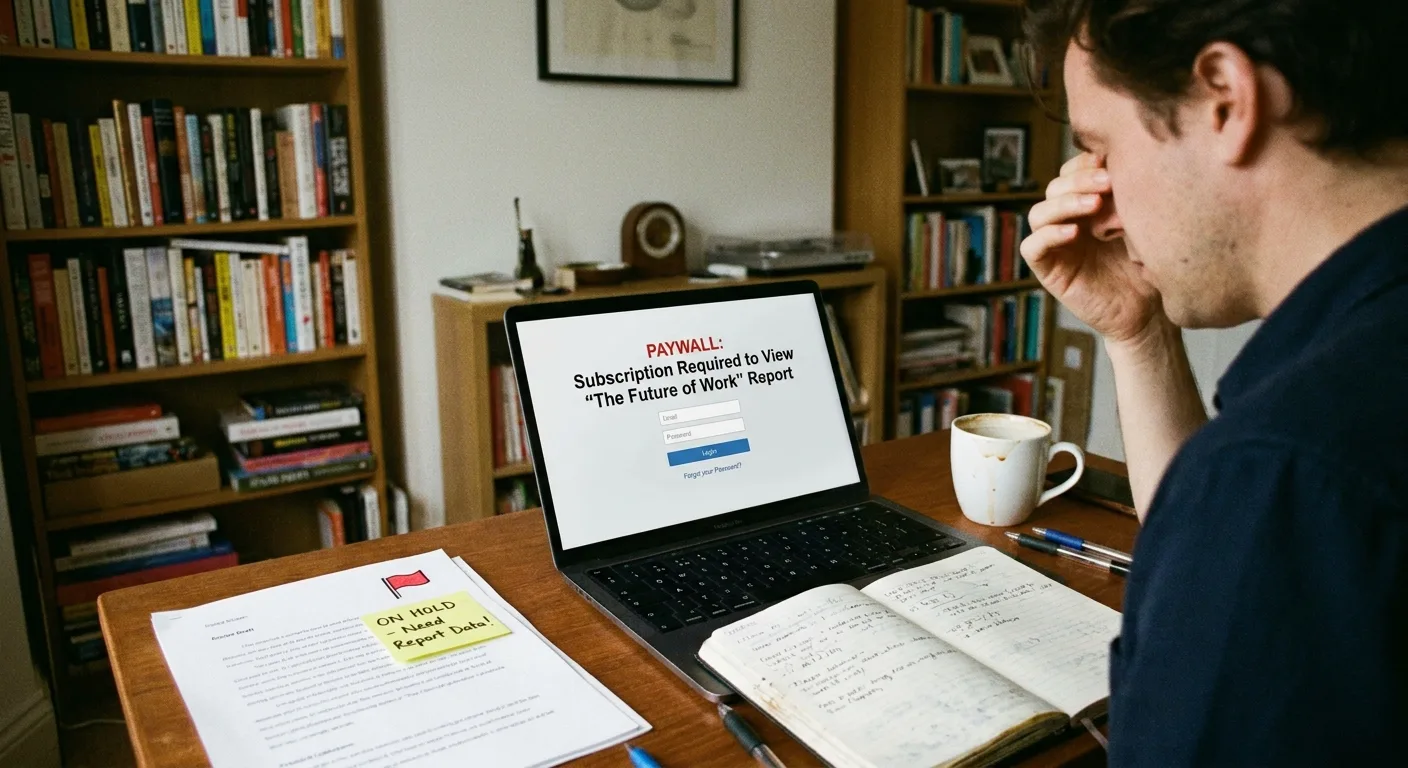
Search at least two different ways before ruling a claim not substantiated: a new query, then a different source type. One failed search often reflects the query, not the claim.
“Not substantiated” describes the evidence you found. It passes no judgment on whether the claim is true.
When a cut claim carried a whole paragraph, rework the paragraph in-editor around the claim you can support. Any claim that stays in with qualified support deserves a short note telling readers what the source does and doesn’t cover.
By hand, this gets slow on long drafts; software can carry part of the load.
Where AI Fact Checking Earns Its Keep (and Where It Doesn’t)
AI-assisted drafting tools sped up publishing, and that speed is why claims now need a separate verification pass, which AI fact checking promises to provide.
The tools handle volume well. A claim-by-claim checker can pull every number out of a draft and flag figures it can’t locate on the cited page.
The limits matter too. Automated checks may “confirm” a claim against a page that only paraphrases the original. Picture an automated check marking a survey percentage as matched because a news recap repeats it word for word. Open the original survey PDF, and a footnote limits the figure to one respondent group, a detail the recap dropped. The tool found a matching string. A person found the missing qualifier.
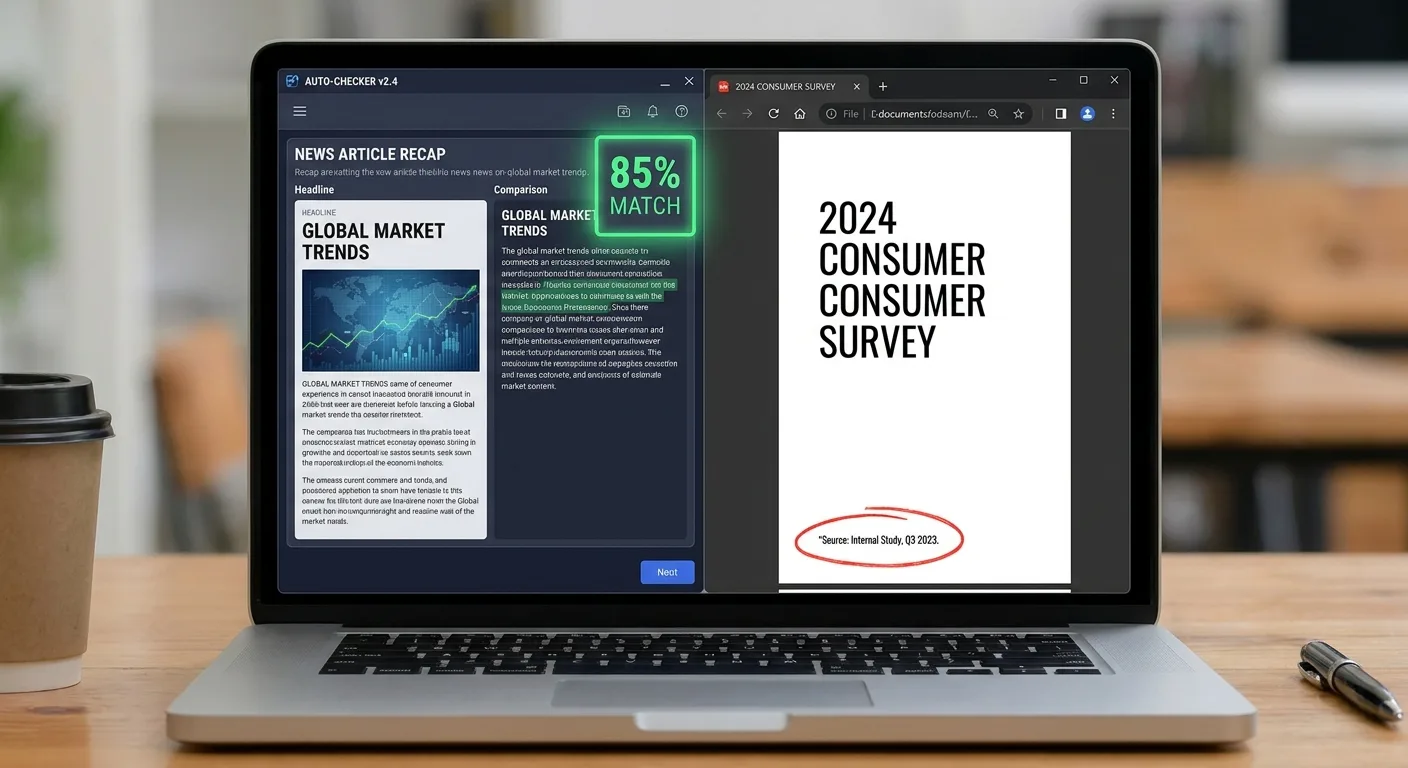
A fact-checking app on your phone helps you test a forwarded post in a few taps. It isn’t built to audit a 2,000-word draft.
Picking a fact check app comes down to one question: does it show the passage it matched, or only a verdict?
Our rule of thumb: let the tool find and flag; you rule and approve.
| Hand it to the tool | Keep it for yourself |
|---|---|
| Pulling every claim out of a draft | Judging context and scope |
| Retrieving candidate sources | Deciding whether a source suits your audience |
| Flagging figures missing from the cited page | Reading charts, tables and scanned PDFs closely |
| Logging what it found | Assigning the final verdict and approving what ships |
Both halves come together in a repeatable routine.
A Claim-by-Claim Routine You’ll Keep Using
Our fact-checking routine runs in six steps and works for a solo writer or a full desk:
-
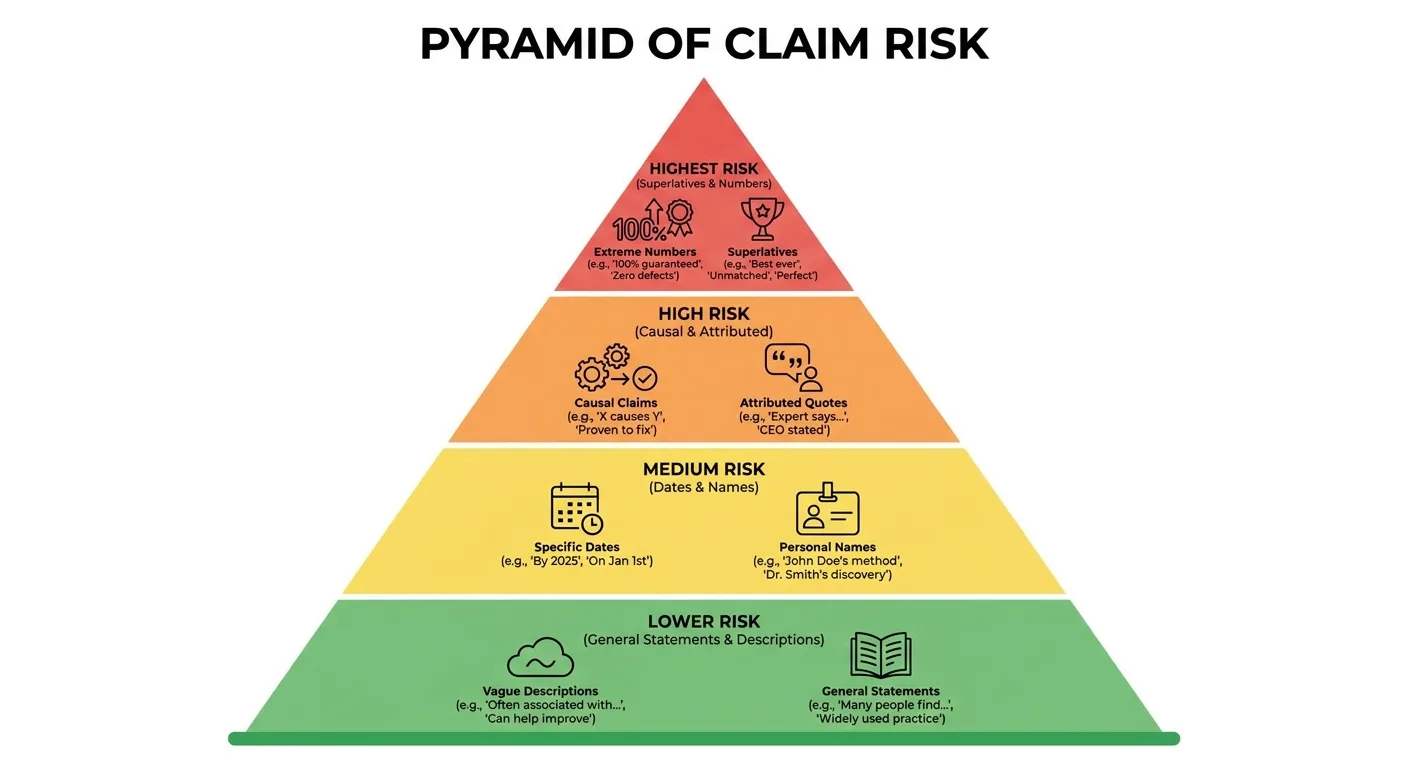
Highlight every checkable claim: numbers, dates, names, quotes, superlatives (“first,” “largest,” “only”) and cause-and-effect statements.
Illustrative draft line, not a factual claim: “Our onboarding flow, the first of its kind (superlative), cut setup time in half (number) after last year’s launch (date).” The words “cut … after” carry the causal claim.
-
Rank by risk. Numbers and superlatives go first, since they are the easiest claims to quote and the easiest to disprove.
-
Open the original source for each claim, never a roundup that cites it.
-
Assign a verdict: supported, not substantiated or research incomplete.
-
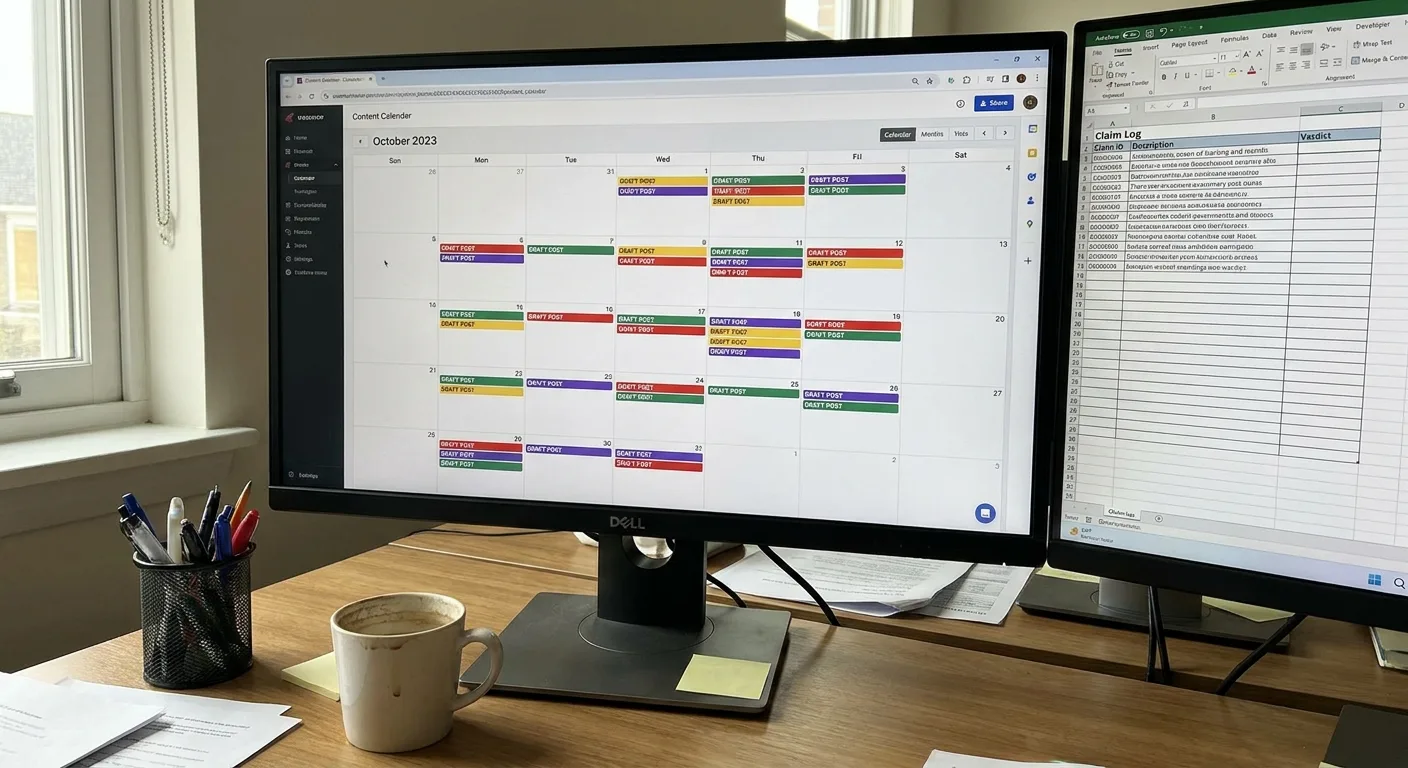
Log the claim, URL, verdict and location in the source. Copy this entry format for each one:
Claim (as written in draft): Source URL (original, not a roundup): Location in source (page, section, table or paragraph): Verdict (Supported / Not substantiated / Research incomplete): Searches run before ruling (at least two): Action taken (kept / softened / replaced / cut / on hold): Checked by and date checked: -
Rewrite or cut anything that didn’t earn “supported.”
A solo writer can keep the log in a simple spreadsheet, using the template fields as columns. The habit matters more than the tool.
Refresh projects need the routine too. Old posts can carry figures whose source pages have since changed. Start any refresh with a quick pass to crawl your older published posts and list the pages carrying figures, then run the same six steps on each.
Which step would you skip under deadline? Name it, then protect it.
Six steps feel manageable for one post. Twenty posts a month is another matter.
Keeping Receipts Once the Content Calendar Fills Up
Hand fact checking falls behind a busy calendar fast.
Vee3.ai’s SEO automation workspace builds fact-checking into one workspace alongside crawling, research, planning, writing, publishing and measurement, so claim checks can run as part of each draft rather than as a separate chore.
You still approve what ships. Run your next draft through it and try the Vee3.ai Fact Checker before you hit publish.
Frequently Asked Questions
Is It “Fact Checking” or “Fact-Checking”?
“Fact checking” and “fact-checking” are both acceptable spellings, and both appear widely. Many writers hyphenate the term as a modifier, as in “fact-checking process,” and leave fact checking open as a noun phrase. Pick one style and apply it everywhere on your site.
Is a Fact Checking Job Still Worth Pursuing With AI in the Mix?
A fact checking job is still worth pursuing, though the role is shifting. Tools take on retrieval, and people handle context, source credibility and the final verdict. Skills that hold value include reading primary documents, judging methodology and explaining verdicts in plain language. Plain-language verdict writing is a skill you can keep sharpening through more editorial guides on research and sourcing.
How Often Should I Recheck Content That’s Already Live?
Run a fresh round of fact checking whenever you update a page, when a cited source publishes newer data, or on a set schedule for high-traffic pages. Use a performance view to spot your high-traffic pages and put those on the scheduled recheck list first. Prioritize pages carrying numbers and dated claims, since those go stale first.
Final Thoughts
Pick the riskiest claim in your current draft and open its original source today. One claim is enough to start fact checking your own pages.
Publish claims you can stand behind, so anyone who clicks your links finds exactly what you promised.