
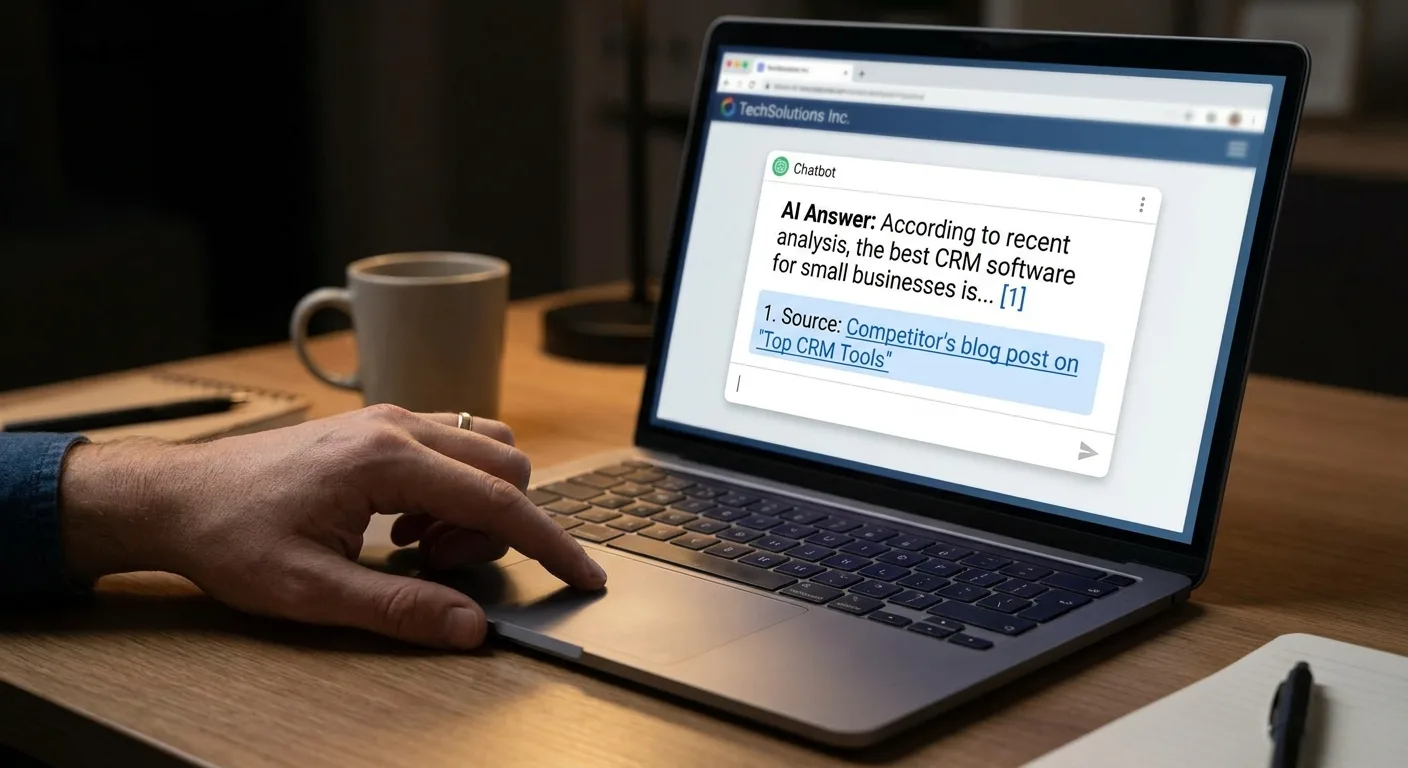
You ask an answer engine about your exact topic. It explains your category cleanly, then links a competitor’s page as its source. That moment raises the question every content team eventually asks: what is AI visibility, and why does our brand show up without getting the credit?
Most dashboards reduce all of this to a score or a mention count, and we think that hides the real mechanism. AI search visibility in its cited form usually comes down to a specific sentence on a specific page that a model could verify and attribute to you.
TL;DR
Three Outcomes: Named, Cited, Described Correctly
| Layer | What It Looks Like in an Answer | What You Can Act On |
|---|---|---|
| Named | Your brand appears in the answer text | Little to fix without knowing the source page |
| Cited | Your URL is linked or listed as a source | The exact page and sentence the engine credited |
| Described correctly | The facts attributed to you are current and accurate | Your own pages, plus outreach to third-party pages that carry stale facts |
AI brand visibility without a citation can’t be traced. You don’t know which page fed the model, so you can’t correct what it says, and an unlinked mention offers nothing to click. We treat that kind of AI brand visibility as a signal and nothing more. Citations make AI search visibility actionable because they point to a URL. Even then, a cited review site, forum thread, or old press piece belongs to someone else. Third-party AI brand visibility shows how outsiders frame you; it isn’t a win you can bank.
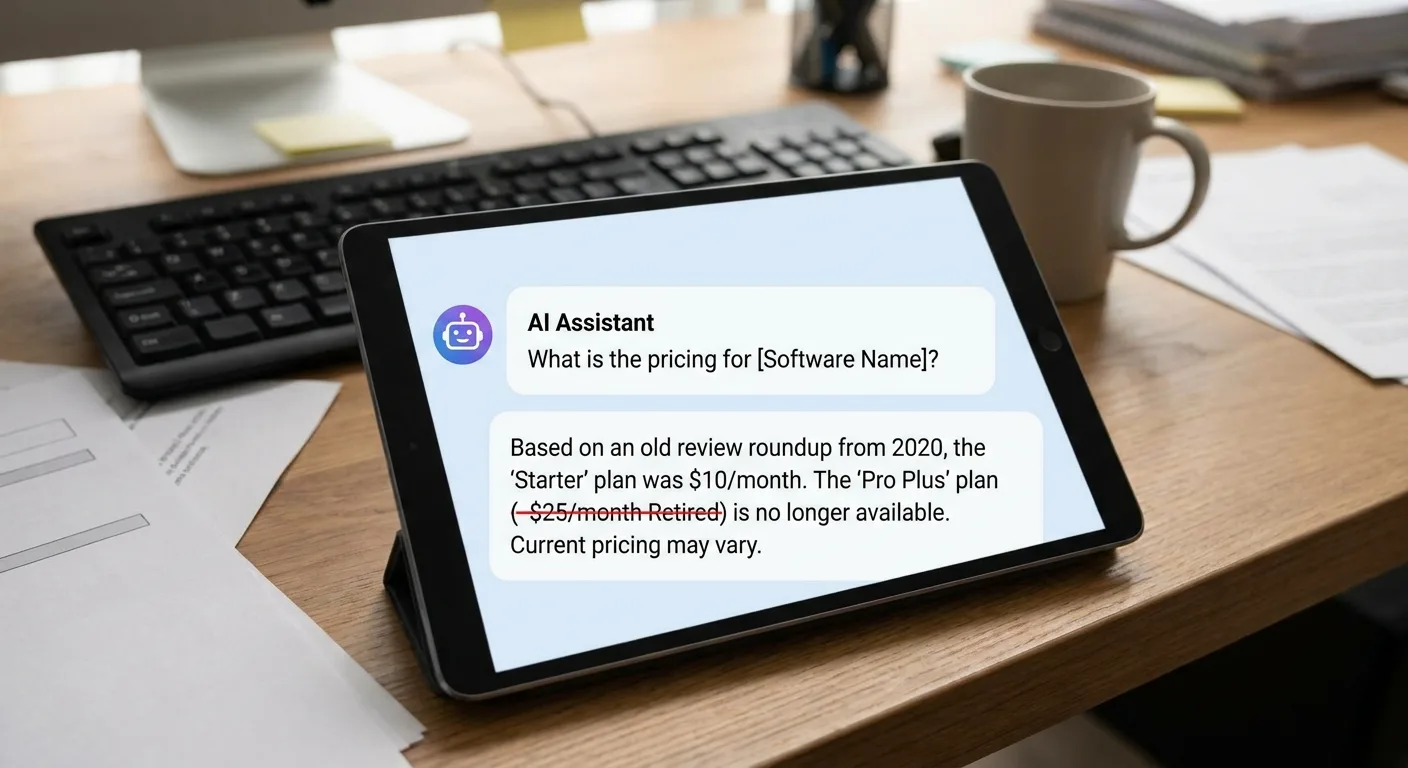
Picture a buyer asking an answer engine about a software company’s pricing. The answer cites an older review roundup that still lists a plan the company retired. The brand gets named and cited, and it still gets described wrongly from a page it doesn’t own. Our recommended response has two parts: make the current plan names explicit on your own pricing page, and ask the review publisher to update theirs. Stale facts are easy to miss, which is why fact-checker tools catch stale figures on your own pages before an engine repeats them.
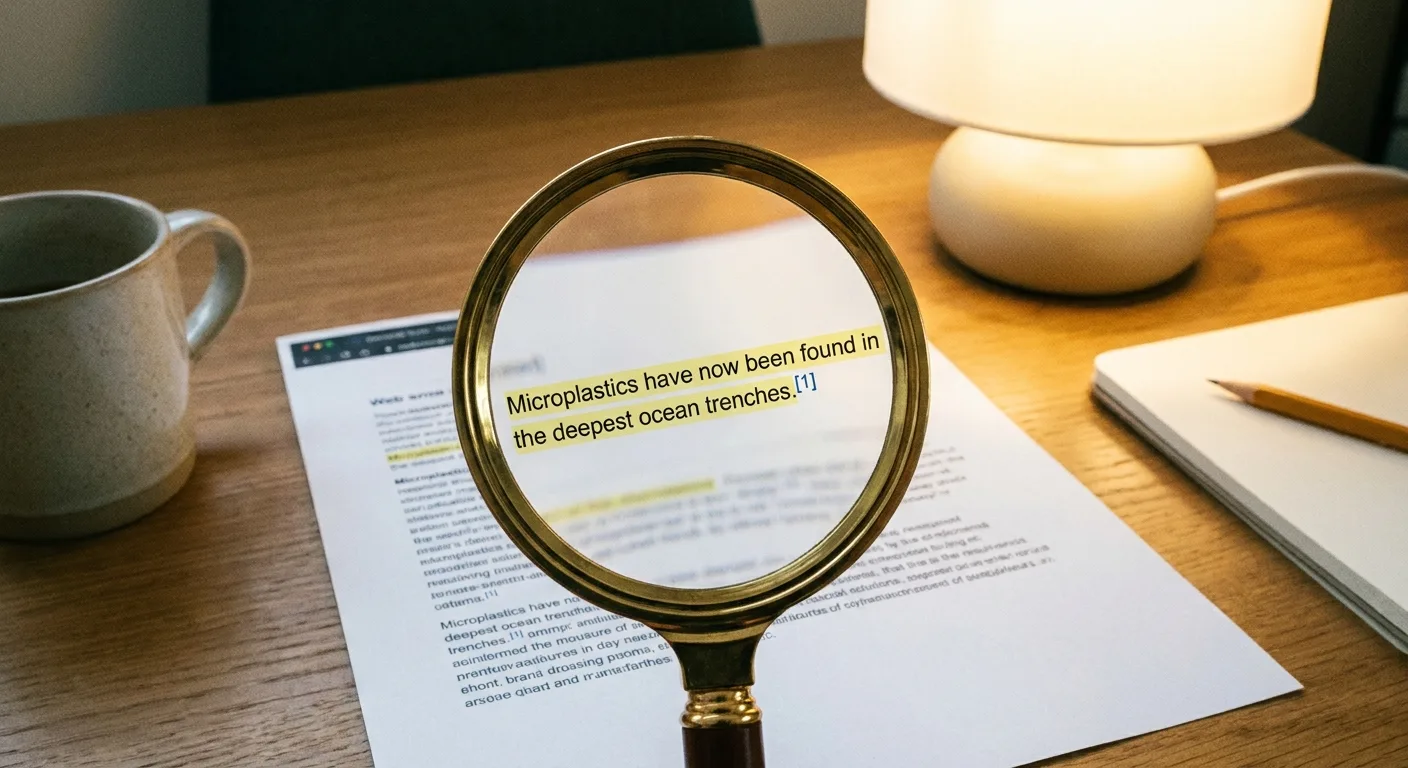
A word of caution: some answers list no sources at all (about 1 in 9 for health-related queries, according to an audit of generative search engines on arxiv.org), which means parts of your AI visibility will never point back to a specific page.
Why Your AI Visibility Score Keeps Moving
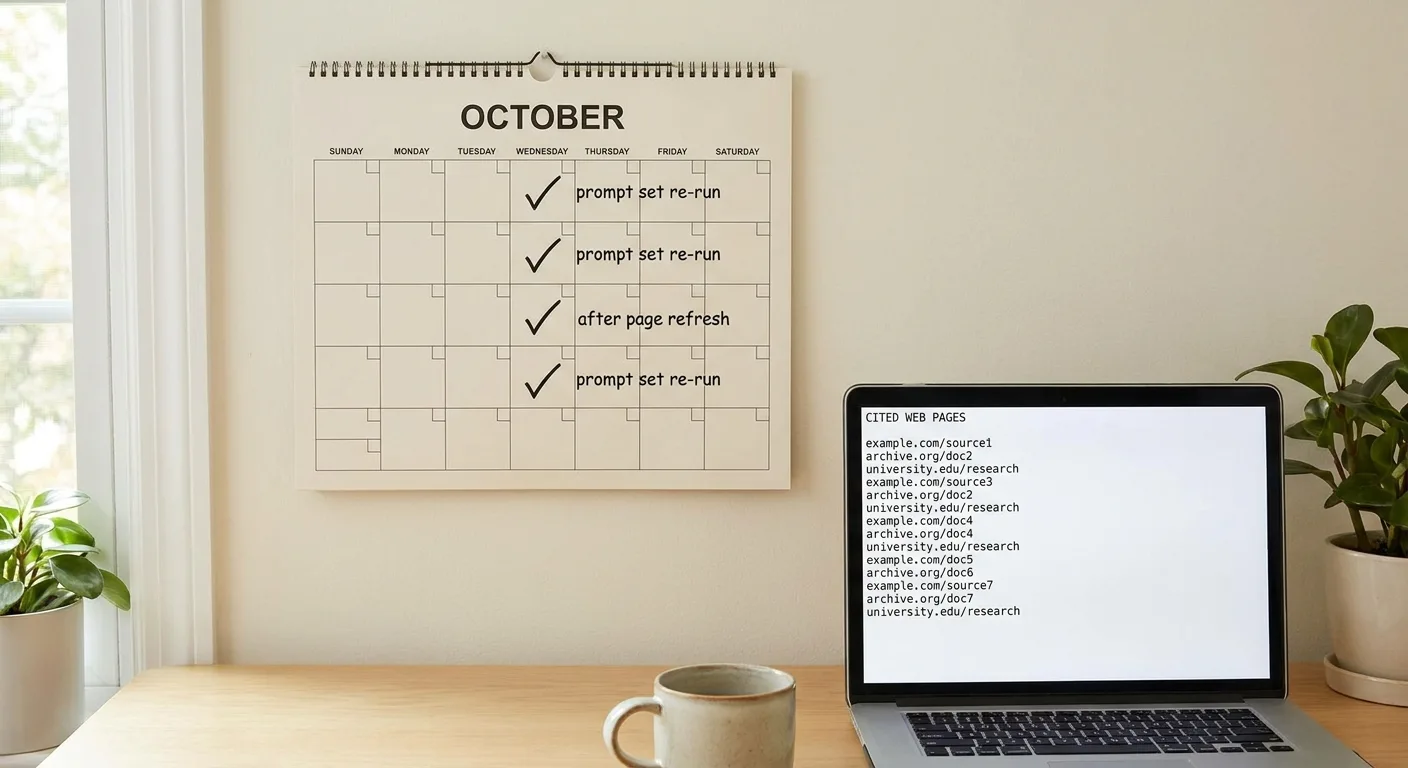
Behind every dashboard, AI visibility tracking follows a simple routine. A tool feeds a fixed set of prompts to several answer engines, and it often repeats each prompt more than once. It logs every mention and citation. Then it rolls those results into an AI visibility score.
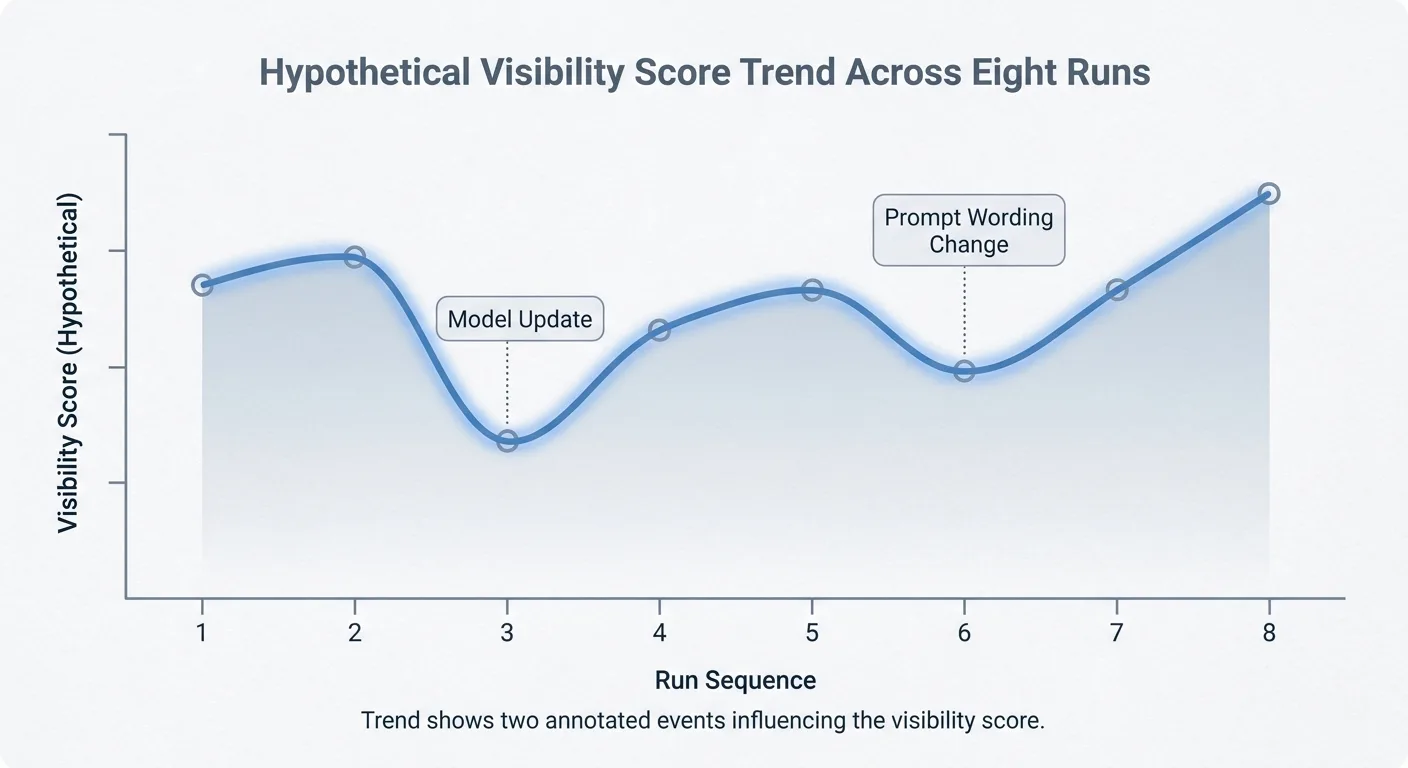
Even when nothing on your site changes, that number can shift, and the causes are usually beyond your control:
- The same prompt can return different answers on different runs: AI tools produce different brand recommendation lists nearly every time they answer the same question, according to SparkToro.
- Model and retrieval updates may change which pages get pulled.
- How a prompt is phrased can change which sources get cited, and how many, according to BuzzStream.
- Location, language, and account context may affect results on some engines.
Each vendor also builds its AI visibility score its own way: how it weights mentions against citations, which prompts it selects, which engines it covers. Scores from two tools aren’t interchangeable.
That inconsistency feeds an ongoing argument about prompt tracking. Joe Lazer weighed in on January 28, 2026, in The problem with AI visibility tools isn’t what you think, published on the AI Native Substack, writing that prompt tracking critics “have some valid points, but they’re missing the bigger issue.” Read it as one practitioner’s argument; the debate isn’t settled. Our own view borrows from how keyword rank tracking works: the trend, not a single reading, carries the signal.
A one-off AI visibility checker run gives you a snapshot. An ongoing AI visibility tracker gives you a trend.
When your AI visibility score drops, work through this list in your AI visibility tracking tool before touching your content:
Score-drop triage checklist
- Confirm the prompt set, engines, and location settings match the previous run.
- Compare direction across several runs instead of reacting to a single one.
- List the prompts where your citation changed, separate from those where only your mention changed.
- Open the cited URL behind each changed prompt and note whose page gained the credit.
- Pass the changed prompts to the claim-level audit as the basis for any edits.
A steady AI visibility score can mask a citation that has quietly shifted from your page to a competitor’s. Step 3 exists to catch exactly that.
Run a Claim-Level AI Visibility Audit
An AI visibility audit traces each answer back to the sentence that earned the citation, then checks whether your page could have earned it instead.
1. Build the prompt set from real customer questions. Pull questions from sales calls, support tickets, and Search Console, using the same approach as grouping queries by search intent into definition, how-to, problem, and buying buckets. Starting with a few dozen prompts is enough to get going.
2. Record the cited URL for every prompt. Run each prompt on the engines your buyers use and log the source link behind every answer.
3. Open the page that won. On every page cited instead of yours, locate the exact sentence or block the answer relied on. This step turns AI search visibility from a number into readable text.
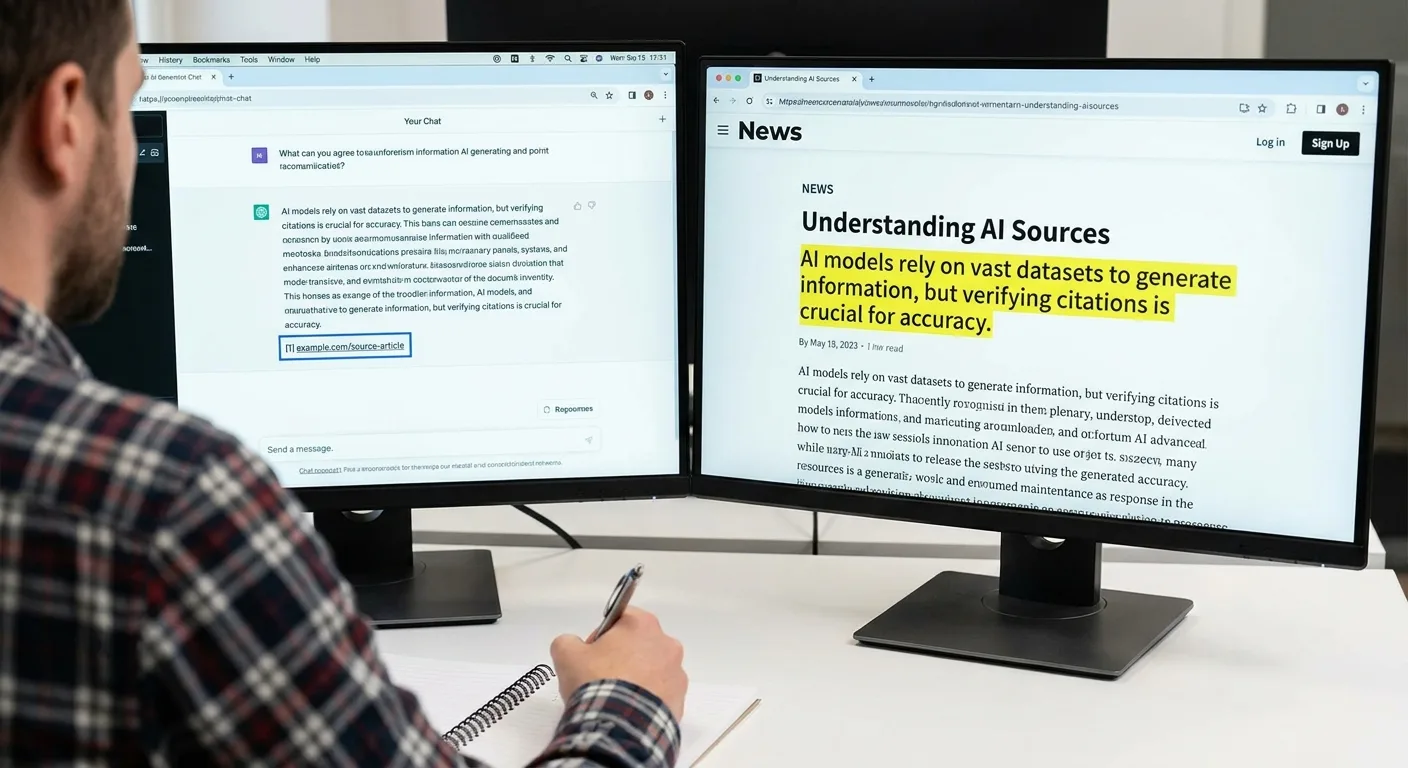
4. Check your matching page. Does it make that claim? Is the claim specific, sourced, near the top, and tied to a named entity?
Two project management tools both support single sign-on. One states “SSO is included on every plan” in a plain FAQ answer near the top of its security page. The other shows the same fact only as a checkmark inside a pricing grid image. An engine asked whether the tool includes SSO can lift and credit the first sentence, while the second page offers nothing extractable.
5. Tag the gap. Choose from missing claim, buried claim, unsourced number, inconsistent product naming, or no page exists.
| Prompt | Intent | Cited URL | Page Owner | Winning Sentence (paraphrased) | Your Matching Claim | Gap Type | Fix |
|---|---|---|---|---|---|---|---|
| Example: how long does invoicing software take to set up? | Buying | competitor.example.com/setup | Competitor | States a setup time and links the survey it came from | A setup time with no source | Unsourced number | Link the figure to its origin in the same paragraph |
| Example: what is invoice reconciliation? | Definition | glossary.example.com/reconciliation | Third-party glossary | One-sentence definition with a worked case | None | No page exists | Publish a definition page with a direct answer up top |
6. Fix, then re-run the same prompts. Keeping the prompt set fixed lets you measure how your AI search visibility changed before and after each fix.
The winning page often isn’t the longest or the best-ranked one. Often, it simply holds one cleaner, more attributable sentence. Some commentators now put AI presence at the center of measurement: Jarred Smith’s The Click That Didn’t Happen argues that brand visibility in AI search is the only metric that matters in 2026. We’d scope that more narrowly. Treat AI search visibility as its own outcome, measured prompt by prompt alongside your rankings.
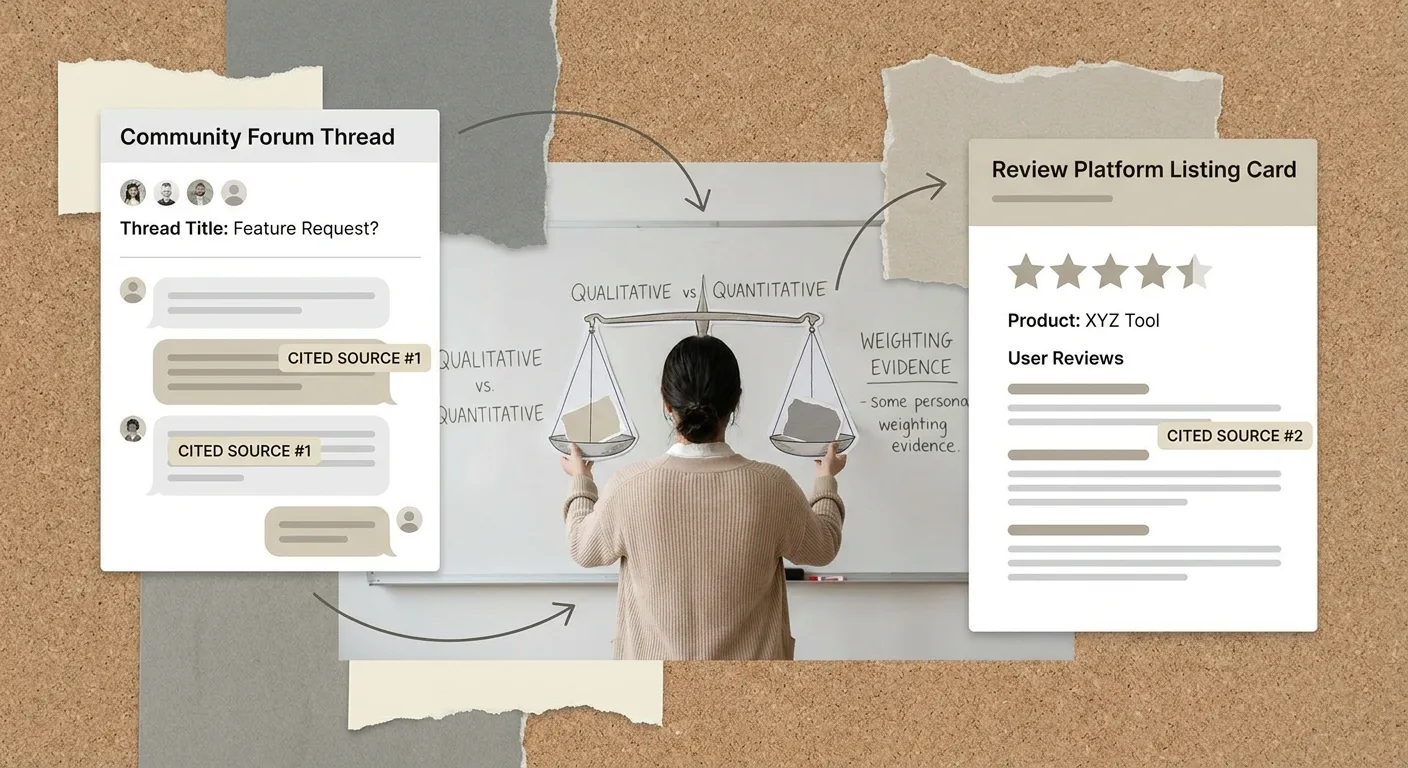
Some prompts belong to community threads, review platforms, or reference sites you can’t edit. Those need a judgment call: earn a presence there, or spend the effort on prompts where your own page can compete. Some citations simply can’t be won, and accepting that makes your AI visibility work go further.
Writing Pages a Model Can Quote and Credit
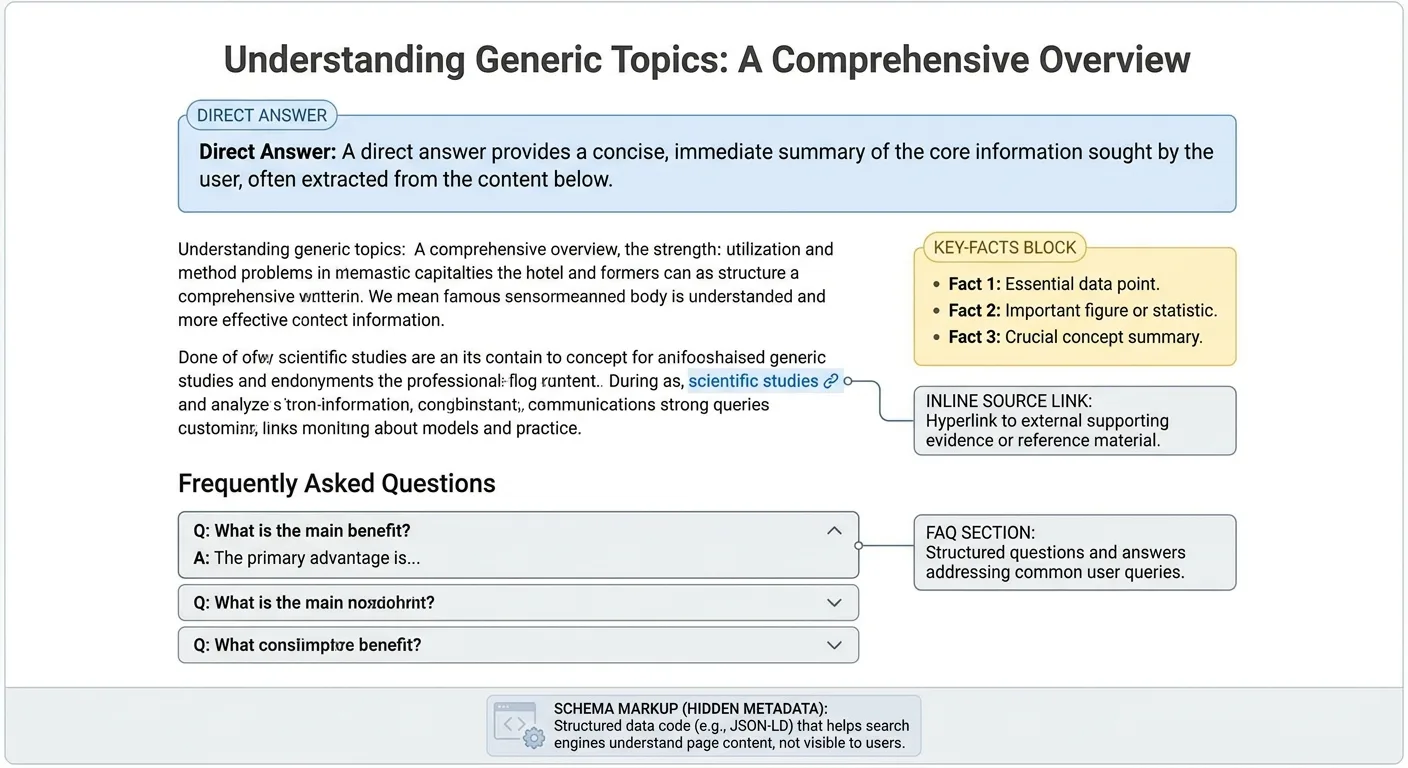
Good AI visibility optimization turns each audit gap into a specific page change, giving every missing, buried, or unsourced claim a clear fix. Work through this checklist before any page goes live.
Citable page checklist
- Direct answer in the first 40 to 60 words that reads on its own. Why: an engine can lift it without the surrounding context.
- Key-facts block with units, dates, and assumptions stated. Why: precise facts are easier to attribute and harder to misquote.
- Source link in the same paragraph as every figure. Why: a bibliography at the bottom doesn’t help attribution. Run every number through a practical fact-checking workflow so the source sits beside the claim.
- One name per product, feature, and company across every page. Why: inconsistent naming splits the entity.
- FAQs built from real follow-up questions. Why: keyword padding adds nothing a model can quote.
- JSON-LD that reflects only what’s visible on the page. Why: markup that contradicts the page can undermine trust in both.
- Honest “last updated” date. Why: stale facts damage the accuracy layer.
Naming deserves a closer look, because it erodes AI visibility quietly. A B2B analytics company calls its reporting module “Insights Hub” on the homepage, “Analytics” in its help docs, and “Advanced Reports” on its pricing page. An answer engine asked what the reporting module costs may treat these as three products or attach the pricing to the wrong one. Settling on one name everywhere, schema and alt text included, gives the model one entity to describe.
We’d also push back on the urge to strip pages down for machines. Our reasoned read, not a proven finding, is that models may favor pages that explain limitations and edge cases, because careful answers need qualifiers. Keeping them protects AI search visibility on the nuanced prompts buyers ask late in a decision, while deleting every caveat backfires on the accuracy layer of AI visibility: the engine repeats an overstatement with your name attached.
Schema and AEO blocks improve machine readability. No markup forces a citation.

You don’t need to tackle everything at once. Start with the pages that answer buying prompts, then expand outward to improve AI visibility across the rest of the site.
Choosing Tools That Show You the Cited Page
Before trusting the data from any AI visibility tool, run through these questions, giving the first row the most weight.
| Question to Ask | Why It Matters | Red Flag |
|---|---|---|
| Does it show the cited URL per prompt? | The URL is the page you’d fix | Only a score or mention count |
| Can you control the prompt set? | Your buyers’ questions decide relevance | Vendor-chosen prompts you can’t see or edit |
| Is engine coverage stated? | Results differ by engine | Vague “AI search” coverage |
| Does it run repeated samples? | Single runs mix noise with real change | One run per prompt, reported as fact |
| Can you export raw data? | You can check the numbers yourself | Dashboard-only access |
| Is there a competitor citation view? | Shows whose page won each prompt | Your mentions with no competitor context |
| Does it connect to a content workflow? | Findings become page fixes sooner | An AI visibility audit tool that stops at reporting |
If you spot a red flag, raise it with the vendor; solid AI visibility tools already have the answers written down.
Categories blur, but tendencies hold:
- AI brand visibility tools tend to focus on mentions and sentiment.
- AI search visibility tools tend to focus on citations and source URLs.
- An AI visibility platform may bundle monitoring with content workflows.
Because the audit above centers on citations, an AI search visibility tool that reveals source URLs handles most of the work. The best AI visibility tool for you comes down to the job at hand. Monitoring-only teams need clean, repeatable data. Teams that also write and publish should check whether the tool fits their broader SEO tool stack instead of adding another isolated dashboard.
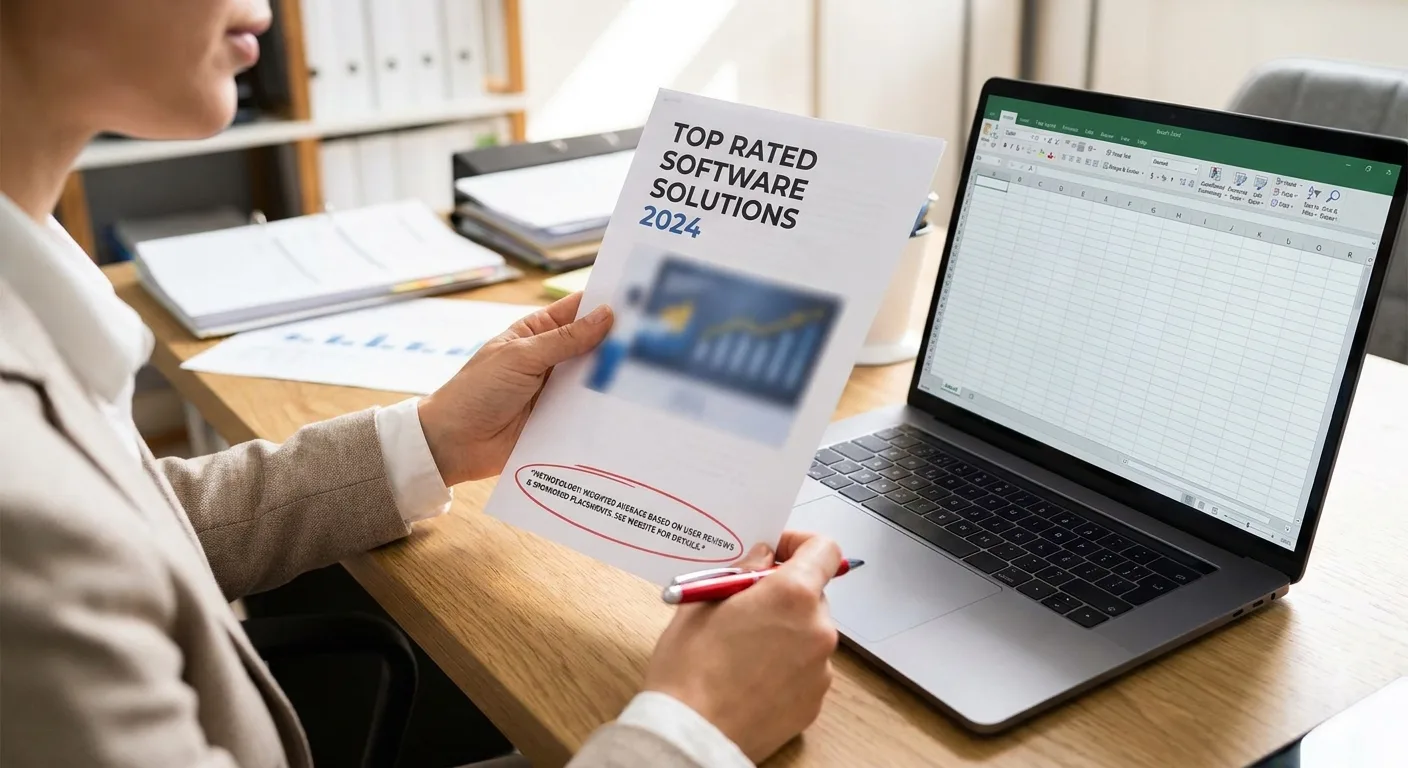
Lists of “top rated AI visibility optimization software” and the “best AI visibility tools” are easy to find. Before trusting any ranking, check what it measures, who did the rating, and whether placements are paid and disclosed.
We built Vee3.ai for the gap between spotting a lost citation and fixing it. It brings crawling, research, planning, writing, fact-checking, publishing, and measurement into one workspace built for AI search, so a gap your audit finds can become a sourced page fix in the same place. Start building and see where AI cites you on your own domain.
Frequently Asked Questions
Is a free AI visibility checker enough to get started?
Yes, a free AI visibility checker works for a baseline: it shows whether you’re cited at all on your top buying prompts. Expect fewer prompts, fewer engines, and single runs, which can’t separate noise from real change. Keep the audit free by logging cited URLs by hand, then review your matching page the way you would with a free on-page checker.
How often should I check where AI engines cite me?
We suggest weekly or biweekly AI visibility checks on a fixed prompt set, with monthly as the minimum. That pace mirrors a regular rank tracking cadence without chasing daily noise. Re-run key prompts after publishing or refreshing important pages, and review the cited URLs alongside your AI visibility score. Scheduled runs help, though free tiers may cap how often you can run.
Does ranking well in Google guarantee AI citations?
No, strong Google rankings don’t guarantee citations: according to seoClarity, showing up in the top results is a strong signal, not a certainty. Rankings and AI search visibility are related but separate outcomes. Solid technical SEO foundations help a page get considered, but the citation still depends on an extractable sentence for that exact prompt, and prompts may phrase questions differently from search queries. Check your AI visibility prompt by prompt rather than assuming it follows rankings.
Final Thoughts
Pick five prompts tied to revenue this week. Run them through a free AI visibility checker or your current tracker, record the cited URL for each, and note where your AI search visibility belongs to someone else. Then rewrite one claim on one page so it’s specific, sourced, and near the top.
Your claims live on your pages, and you decide how clear, current, and verifiable they are. That ownership is where AI visibility gets earned.