
Plenty of people sit behind those searches. An estimated 68% of U.S. households have a pet, according to NIH News in Health’s “The Power of Pets” (February 2018). The figure is several years old, but the audience it describes is not small.
A reader deciding whether to drive to the emergency clinic needs the right answer, so accuracy is part of the value you offer.
Writers in this niche often feel stuck between two options: light, fluffy posts that help nobody make a decision, and serious content that comes with real responsibility. The pet blog ideas below sit in the practical space between them. (Cute content still has a place, just not the whole calendar.)
This list follows the format of our more niche blog topic guides: 12 numbered topics across 4 named groups, each with a practical action and an honest caveat.
What Earned a Spot on This List
Every one of these animal blog topics had to clear four tests, and you’re welcome to borrow them for your own editorial calendar.
We left out breed rankings, generic cute-animal roundups and unsourced trivia. They’re fun to scroll, but they rarely help anyone make a decision.
How many of your current drafts would pass all four?
The tests also work in other informational niches, such as these accounting blog topics. They don’t fit ecommerce product pages, where the reader is buying rather than deciding what to do next.
The 2 a.m. Questions Pet Owners Type
A dog got into the trash. An older cat stopped jumping onto the bed. A rescue adopted three days ago won’t come out from under it. Anxious readers want clear answers, not clever ones. That is why all three entries in this group stop at triage rather than diagnosis, and each closes by telling the reader exactly when to put the phone down and call a professional.
1. “My Pet Ate Something” Posts That Point to Help Fast
Toxicity questions are urgent. Cover the household foods, plants and products that can harm pets, and organize the post by room: kitchen, garden, bathroom, garage. Owners often know where they found the chewed wrapper before they know what it was, so the structure should meet them there.
Species can react differently, so use species-specific sources rather than one-size lists. Our rule for pet safety posts is strict: name a specific toxic item or dose only after you’ve checked a veterinary or poison-control source and linked it in the same paragraph. (Phrases such as “small amounts are usually fine” create false comfort. Skip them.)
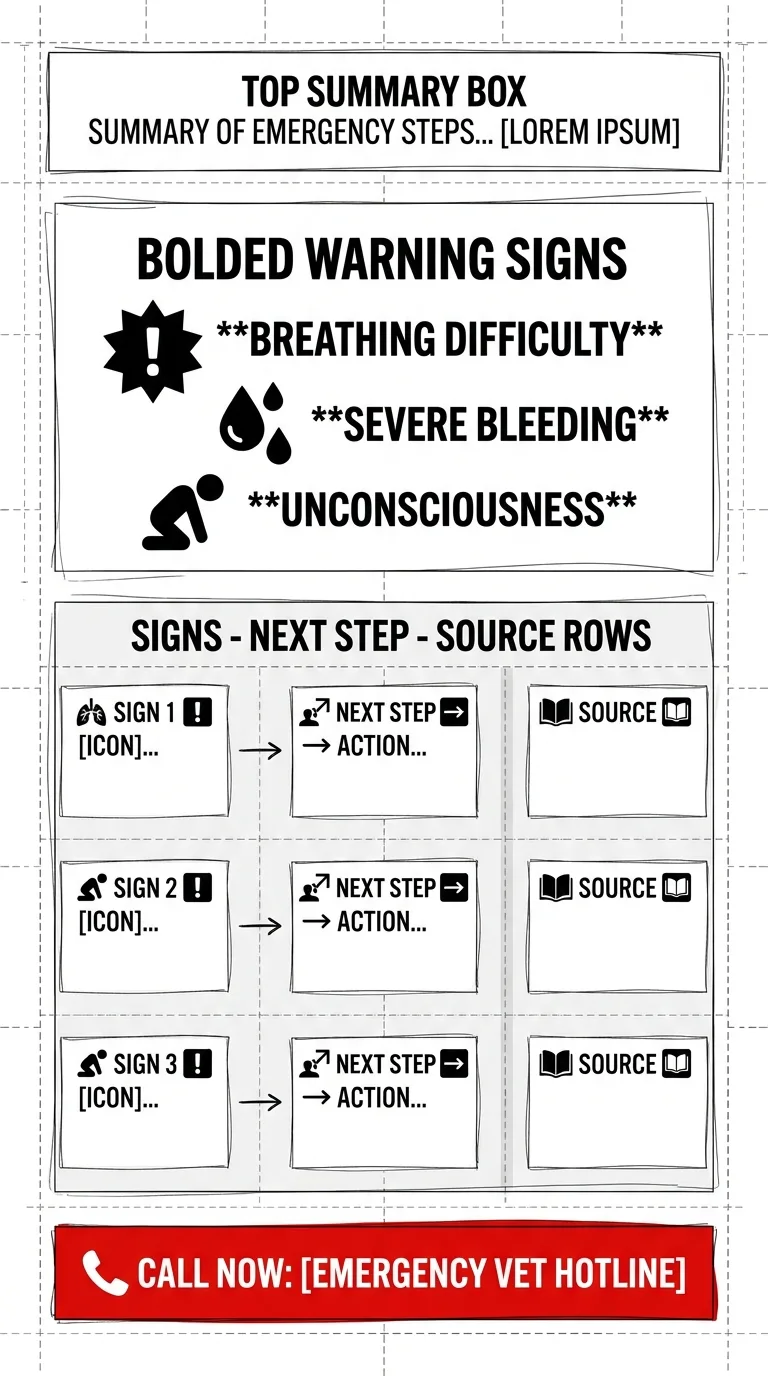
*Wireframe of a pet emergency post with a summary at the top*
Then format the post for readers who skim:
- Open with a summary box of emergency steps, with emergency contacts and the signs that need immediate care.
- Bold the warning signs and nothing else.
- Give each item a short section in a fixed order: signs, next step, source.
- Close with an unmistakable “call now” line.
2. “Is This Normal?” Guides for Senior Pet Behavior
Changes in senior pet behavior tend to creep in slowly: restlessness at night, new clinginess, a dog who suddenly picks at the meal he used to inhale. Owners notice, worry and search. Describe each change, list possible explanations in neutral language, then spell out which changes warrant a vet visit.
Name each section after a behavior an owner actually sees. Owners describe what they see, not a diagnosis, which is why choosing keywords from reader language matters here. “My old cat yowls at night” earns a heading. A clinical term doesn’t.
The most useful companion piece is a simple observation log: date, time, what happened and how long it lasted. When owners complete it and carry it into the appointment, the vet gets concrete details instead of vague recollections.

*A gray-muzzled senior Labrador resting on a rug*
Keep the tone gentle. Grief and uncertainty hover over these searches, and one sentence acknowledging that goes a long way. Because behavior shifts may have medical causes, cite a veterinary source alongside any condition you name as a likely cause.
3. The First Weeks Home with a Rescue Animal
Hiding, accidents, appetite dips and fearfulness show up in plenty of newly adopted animals. Their people want two answers: is this typical, and how can I help?
Many adopters also wonder whether they made a mistake. Naming that feeling near the top of the post shows you understand, and empathy matters more here than anywhere else in this group.

*A shy rescue cat peeking out from hiding*
Your deliverable is a week-by-week post on how rescues adjust, paired with a quiet-space checklist:
- A quiet room the animal can claim
- A consistent daily routine
- Limited visitors
- Slow introductions to other pets
Every animal arrives with its own history, so frame the timeline as flexible stages, never rigid day counts. Persistent fear or aggression calls for a qualified trainer or behaviorist. Close by asking readers directly: what would help you most in week one? Their answers may point to your next post.
Money and Logistics Readers Plan Around
People research costs, moves, travel and coverage well before an animal arrives and for years afterward. These readers are weighing options and preparing to commit. Give them specifics instead of vague advice, and once you earn their trust on one decision, they have a reason to come back for the next.
4. The Real Yearly Cost of Owning a Specific Species
Write about one species per post: a rabbit, a bearded dragon, a large-breed dog. Species-specific posts answer a narrower question, and checking intent with keyword analysis helps confirm which species readers actually want priced out. A reader pricing out a pet rabbit wants rabbit figures and nothing else.
Split expenses into three buckets: one-time setup, recurring care and unexpected expenses. Prices vary by location and drift over time, so date and source any dollar figure in the same paragraph, then hand readers a worksheet.
A Cost Worksheet Readers Can Copy
Because readers enter their own local prices, the worksheet stays accurate no matter where they live.
| Expense | Bucket | Frequency | Your Local Estimate |
|---|---|---|---|
| Food | Recurring | Weekly or monthly | |
| Enclosure or bedding | Setup | One-time, plus replacements | |
| Annual exam | Recurring | Yearly | |
| Emergency fund | Unexpected | Ongoing contribution |
Keep the labels as examples and leave every estimate cell blank.
5. Moving, Renting and Traveling with an Animal
Rental pet policies, preparing an animal for a move, carriers and health paperwork: this cluster covers some of the most stressful weeks an owner faces.
Publish renting, moving and travel as three posts rather than one bloated page. Comparing keyword clustering tools can help confirm where those searches split. Someone looking up tips on traveling with pets rarely cares about lease clauses.
Each post should center on a timeline-based checklist that starts weeks ahead: what to book, what to request from the vet, what to pack last.

*A calm mixed-breed dog sitting among stacked moving boxes*
Pet entry requirements are set by each destination country and, according to Animal Passport, can change without notice, while airlines layer their own pet policies on top. Link to the governing authority, and give any specific airline or border requirement you include a cited source and an “as of” date.
6. Insurance and Wellness Plan Decision Frameworks
Provider roundups are everywhere, but neutral pet insurance guides are hard to find, so position the post as a tool for making a decision. Explain how the coverage types work: accident-only, comprehensive and wellness add-ons.
The core asset is a question checklist readers bring to any provider:
- How are pre-existing conditions handled?
- How long are the waiting periods?
- How does reimbursement work?
- What are the annual limits?

*A pet owner comparing options at a kitchen table*
Disclose affiliate relationships up front, and cite the policy document for any terms you quote.
The questions change once readers step outside.
Wildlife at the Edge of Town
Yards, parks and roadsides produce a steady stream of wildlife blog post ideas, and many arrive seasonally. Many come from someone with a kind impulse to intervene, which is why the most helpful posts often tell readers what not to do. Treat state or regional wildlife agencies and licensed rehabilitators as your authorities throughout this group.
7. Found a Baby Bird or Fawn? Posts That Prevent “Rescue” Mistakes
Someone who finds a baby bird on the sidewalk may assume it needs saving. A fawn curled alone in tall grass can trigger that instinct too. Build the post in four steps:
- Observe from a distance.
- Assess signs of genuine distress.
- Contact a licensed rehabilitator.
- Finish with a short “please don’t” list: don’t feed it, keep it or try to raise it.
Handling or keeping wild animals may be restricted where your readers live; in Washington State, for example, possessing native wild animals is illegal except when taking them to a licensed rehabilitator, according to PAWS, and the rules vary by state. Back any handling guidance with an agency or rehabilitator source, then publish and refresh ahead of spring nesting season.
The Handoff to a Licensed Rehabilitator
Point readers to their state or regional wildlife agency’s rehabilitator directory, linking the directory you used. Then give them a “have this ready” list:
- Where the animal was found
- When they first saw it
- Visible injuries or condition
- Photos
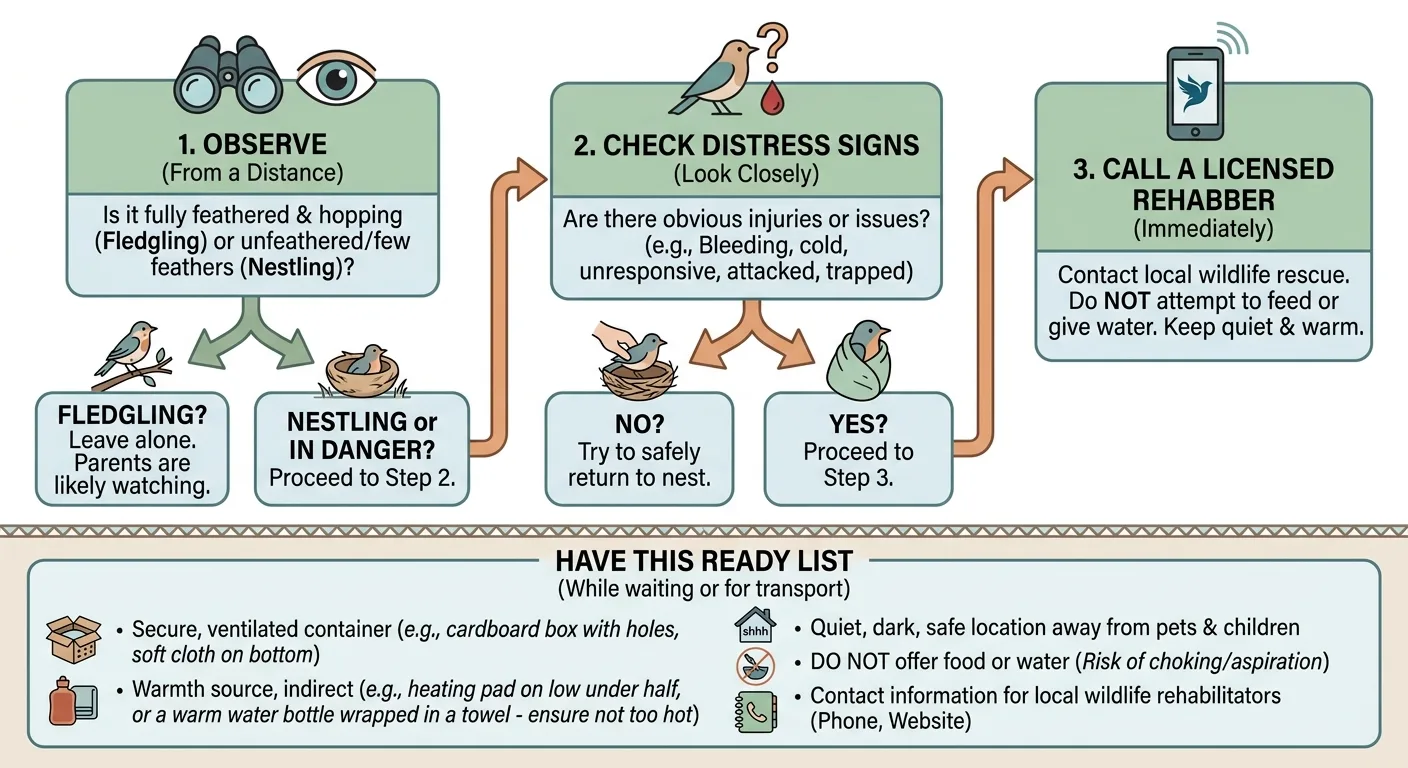
*Flowchart for a found baby bird, starting with “observe”*
8. Building a Backyard Habitat with Native Plants
Of all the ideas here, this one carries the most optimism, so organize it by region and give each region its own post.
Structure the post around four elements: food plants for pollinators, birds and beneficial insects; water; shelter; and reduced pesticide use. (Small balconies count too.)

*A small native-plant garden bed*
Back each plant on your regional starter list with an extension-service or native plant society listing. “Native” depends on region, so a generic national list can steer readers toward plants that don’t belong where they live.
9. Humane Fixes for Seasonal Wildlife Conflicts
Think raccoons raiding the trash, skunks denning beneath the deck, coyotes prowling near pets and birds hitting windows. Arrange the post by season and devote a separate section to each conflict.
Lead with prevention: secure attractants, seal entry points and supervise pets outdoors, especially at the times your local wildlife agency flags. All three are humane deterrents that need no special gear.

*A raccoon inspecting a secured trash can at night*
Removal, relocation and trapping may be regulated where your readers live, so:
- Relocation advice needs a cited local regulation behind it.
- Note when a situation calls for licensed wildlife control.
- Tell readers to report rabies-vector species to their state wildlife or health agency and leave handling to the authorities.
Myths, Ethics and the Stories Behind Species
Popular misconceptions, the ethics of animal encounters while traveling, and species stories tied to legality and conservation round out the list. These demand the most rigorous sourcing: primary research or recognized institutions only.
10. Myth-Busting Posts Backed by Primary Research
Plenty of us grew up hearing that goldfish have extremely short memories. It makes a perfect candidate. Its one rule: cite the research before stating any finding. We’re deliberately withholding a verdict here, because the verdict belongs to the study.

*A single orange goldfish in a clear glass container*
Cover one myth per post or a tightly themed set, since a sprawling roundup can’t give each myth proper sourcing. Some “myths” turn out to be partly true, so favor nuance and drop the dramatic “busted” stamp. And ask readers: which animal “fact” did you grow up believing?
Every factual claim should link to the original study, university or agency page in the same paragraph. Skip aggregator pages; a repeatable fact-checking process can help keep citations pointed at the original. Note publication dates where findings may have been updated so readers can check your work.
11. Ethical Wildlife Tourism: Questions to Ask Before Booking
Many travelers are still choosing between sanctuaries, rides, petting experiences and wildlife selfies while they book. Hand them a quick checklist they can work through in about a minute before committing.
| Question to Ask | Why It Matters | What to Verify |
|---|---|---|
| Is direct contact offered (rides, petting, selfies)? | Direct contact raises welfare and safety questions worth checking | The venue’s stated handling policy |
| Does the venue breed animals? | The stated purpose of breeding is worth asking about | The stated reason for any breeding program |
| Is it accredited, and by whom? | “Sanctuary” may not be a protected label where the venue operates, and accreditation standards differ | The accrediting body’s name and its published standards |
| How are animals handled day to day? | Daily care reveals more than marketing copy | Published care practices or staff answers in writing |
Name or accuse a specific venue only with cited evidence. Some readers will have booked one of these experiences already, so write without judgment, for their next trip.
12. Species Spotlights Tied to Local Laws and Conservation Status
A spotlight that helps someone decide goes beyond a basic profile, in four parts: natural history summary, legal status by region, conservation status, and what readers can do locally. The format suits exotic species, where legal status is often unclear. (The “should I” question often matters more than the “can I.”)

*A domestic ferret resting on a home office desk*
The University of Washington Libraries’ Animal Studies primary sources guide lists starting points for primary-source research on animals. Use it to get your bearings, then cite the governing agency for the species’ status.
Exotic pet laws may differ by jurisdiction and change over time, so attach an “as of” date to every legal detail. Press releases on feeds such as Send2Press Newswire’s pets and veterinary news feed can alert you to petitions or court dates affecting a species, such as ferrets. Treat them as the issuing group’s own statements, not agency findings. Confirm any change with the governing agency before publishing. If no outcome has been reported, say exactly that.
When Your Animal Posts Start Competing with Each Other
As a blog expands, a subtle problem creeps in. A long list of animal blog topics can leave three articles fighting over one search, and care claims accumulate without anyone checking where they came from.
Vee3.ai’s crawl-to-rank workspace covers crawl, research, plan, write, fact-check, publish and measure in one place. With everything in one workspace, you can map a single page to each question and still keep the editorial decisions yourself. Sending drafts through the fact-check stage in Vee3.ai pays off most for posts on toxicity, costs and the law.
Plan your animal content as clusters and verify every care claim before it publishes: Start building.
Frequently Asked Questions
Do I need veterinary credentials to write about pet health?
Publishing pet health content often may not require veterinary credentials, but it can carry real responsibility. Your credibility and readers’ safety depend on sourcing and review. Cite veterinary sources in-line and, alongside using fact checkers on drafts, consider a vet review for sensitive posts before they go live. Every health post should also tell readers plainly when to stop reading and call a professional.
How do I stop my animal posts from targeting the same search?
Assign each post one primary reader question, and group related searches by meaning before you write a word. Audit your existing posts for overlap too. Where two pages answer the same question, merge them into one stronger page or redirect the weaker one. A simple sheet listing each URL beside its single target question makes duplicates easy to spot.
How often should I update animal care posts?
Update animal care posts whenever authoritative guidance changes, plus on a recurring schedule you can realistically sustain. Put safety and legal content at the front of the queue, and display a visible “last reviewed” date on each post. Tracking rankings after each refresh can show whether the update held its place in search.
Final Thoughts
Start small. Choose the group that speaks to the worry your audience raises most often, publish a single entry, and build outward once it is live.
You’re writing for someone holding a sick cat, a lease agreement or a trembling fledgling, and that responsibility doesn’t switch off. Animal blog topics written with real sourcing and real empathy are the pages worth returning to the next time something goes wrong.