
A blinking cursor and a quiet voice asking “who am I to write about this?” stall plenty of new bloggers before any technical hurdle does. That doubt is understandable. It’s also mostly wrong.
Search results show a common pattern: experts often skip steps they stopped noticing years ago. Your fresh confusion fills those gaps. Plenty of topic lists push passion or popularity. This list picks the best blog topics for beginners with a different test: whether being new helps you. You remember what tripped you up, and you can document results while they happen.

The thirteen picks fall into four groups: learning-curve topics, campus topics for students, small marketing experiments, and evergreen subjects with steady demand.
TL;DR
- Pick a topic you’re learning right now, because documenting the process gives you proof an expert can’t recreate after the fact.
- Evergreen subjects pay off only when your angle is local, personal, or hyper-specific.
- Students already carry built-in material: their courses, their study methods, and what campus life really costs in their city.
- Marketing and social media topics work best as small experiments you run on your own accounts and report honestly.
- Choose the subject you could write ten titles for today, and draft one post before buying a domain.
The Filter Every Topic Goes Through
Every pick on this list passed one core test first: can you prove you did the thing? Screenshots, receipts, before-and-after photos, and logged results all count. First-hand evidence is what makes a beginner’s post worth finding, and it’s the one ingredient nobody can copy from you.
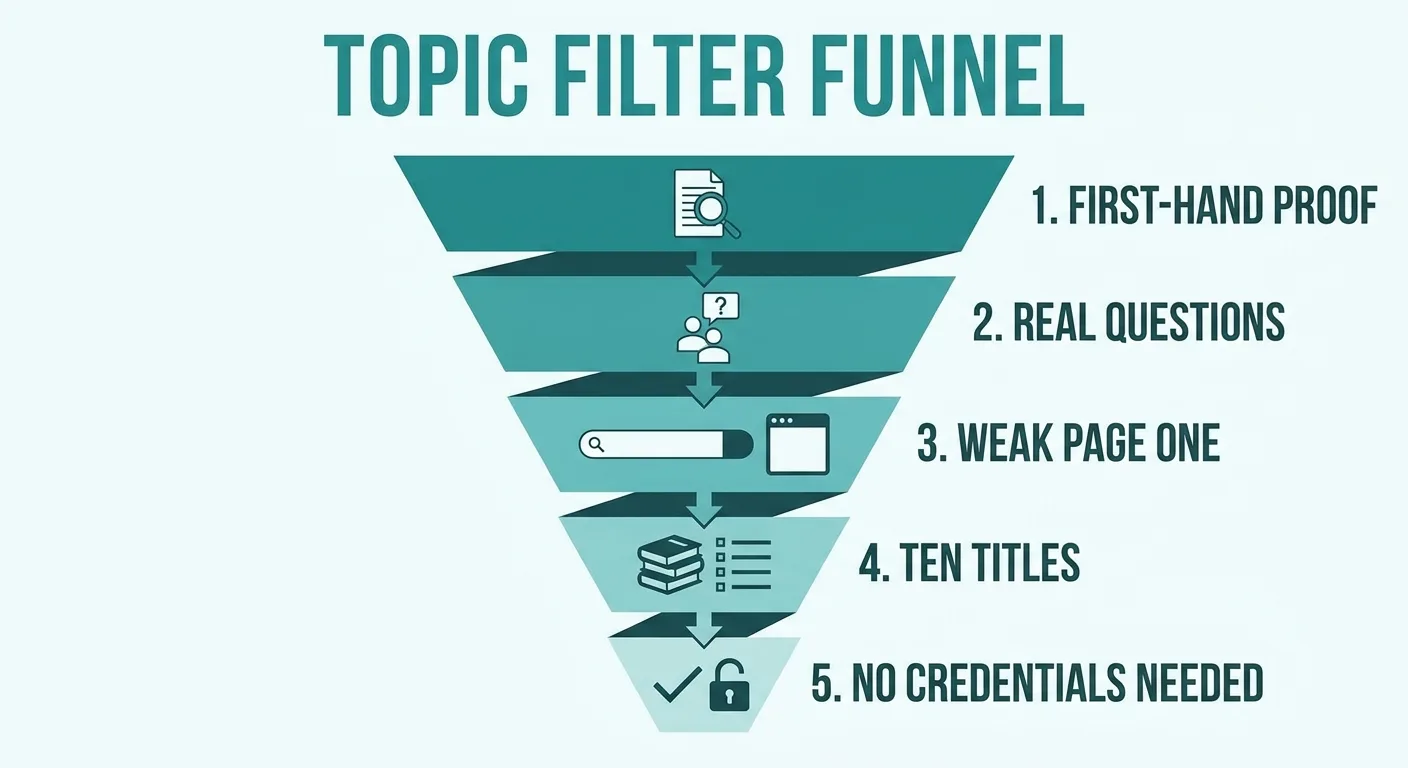
Running the page-one test takes less effort than it sounds. Search your idea and scan the top results for a forum thread or a post that is several years old; either one signals there’s room for a newcomer.
Popularity deserves a second look, too. A popular blog topics list shows you where demand exists. It also shows you where established sites already dominate, so before you chase a crowded subject, look at how search keywords signal demand and compare that with who already owns page one.
One category is deliberately left out because it fails the credentials test.
The Credential Trap Worth Skipping
Medical, legal, and financial advice is where newness turns into real risk for readers. Logging your own grocery budget is fine. Telling a reader which treatment to choose or how to invest is advice, and advice needs credentials (minneapolismade.com). Any post that brushes against these areas gets a short disclaimer and a link to a qualified source.
Topics That Turn Your Learning Curve Into Posts
Learning-curve topics ask only two things of you: that you’re learning something and that you’re willing to write it down. That makes them among the lowest-barrier blog writing topics for beginners.
1. The Public Learning Log for a Skill You Started This Month
Start with a skill you picked up recently: sourdough baking, Python basics, watercolor, a new language, or home bike repair. Commit to one post per week covering five things: the goal, the attempt, the result, the time spent, and the next step.
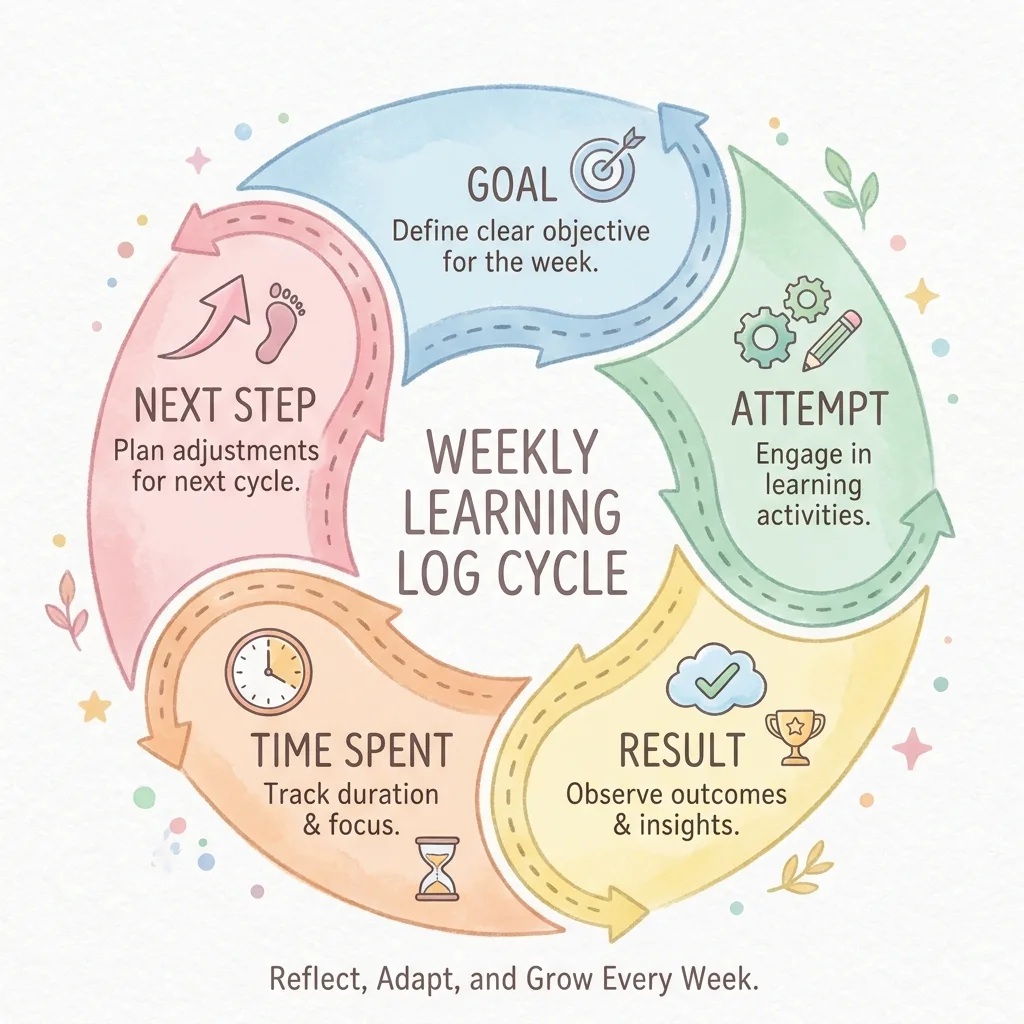
Beginners stuck on a problem look for guidance from someone one step ahead. That’s why progress logs make credible starting points, as long as you include your failures too.
There is one drawback: on their own, diary-style logs seldom turn up in search.
Turning Log Entries Into Searchable Titles
Find the one problem you solved that week and name it in the title. searchenginejournal.com reports that titles should be descriptive rather than vague text such as “Home”, and a title that only names a week of a sourdough log tells a searcher similarly little. “Why a Sourdough Starter Smells Like Nail Polish (and the Fix)” answers a question someone typed at 11 p.m. while glaring at a jar.
2. Fixes for Mistakes You Just Made
A WordPress plugin conflict, a houseplant with yellowing leaves, a spreadsheet formula that refused to work on your first attempt: each one is a post waiting to happen. Screenshot the error the moment it happens, then use the exact error text or symptom in your title.
People paste exact error messages into search word for word. Yet the answers often sit buried deep inside long forum threads. That makes troubleshooting a strong fit among blog post topics for beginners, because you solved the problem recently and every step is still fresh in your head.
Software updates and new product models can quietly make a fix obsolete. Record the version, device, and test date so readers can tell whether your solution still fits their setup.
What did you spend an hour fixing last week?
3. Plain-Language Glossaries for a Field You’re Entering
Jargon confuses every newcomer, which makes a glossary one of the easy blog topics for beginners you can start today. Photography terms (aperture, ISO), coffee brewing vocabulary, and freelance contract terms (explained for understanding, never as legal advice) all qualify.
Keep a running note of every unfamiliar term for two weeks. Sort the finished list by hand or with tools that group related keywords so each cluster becomes a short series of connected posts.

A glossary also gives you natural internal links across the rest of your blog.
Plain dictionary definitions are everywhere, though. To earn the click, explain where the term tripped you up, show a real example from your own work, and point out the mistake people usually make with it.
Campus-Tested Topics for Student Bloggers
Blog topic ideas for students come straight out of the daily routine: classes, study habits, and the real cost of campus life. Free time between lectures is scarce, so these picks use material you’re already generating.
4. Study Methods Put Through an Actual Exam Week
Spaced repetition, the Pomodoro method, active recall, group study, and solo study each make a good single test. Pair one course with one method and one exam. Log your hours, what you tried, and how prepared you felt walking into the room.

Among topics for blog writing for students, this one works best when the evidence comes from someone in the reader’s shoes: your own week of flashcards and cold coffee. Focus on your results; summarizing research papers isn’t required to make the post useful.
A single test is anecdotal, so say so plainly in the post, then invite readers to share their own results in the comments.
5. What Student Life Costs Where You Live
Track one full month of spending across five buckets: rent or dorm, groceries, transport, textbooks, and social life. Present the totals in a simple table inside your post (rounding to the nearest ten keeps it readable and protects your privacy).
Location-specific costs are something incoming students and their parents search for, and posts built on a real student’s month in a real city are harder to find. Your numbers fill that gap.
A few guardrails keep the post honest:
- Label it clearly as your personal data.
- Skip investment and debt advice entirely.
- Add a “last updated” month, because prices move.
6. The Unfiltered Guide to a Specific Course or Major
Course catalogs list what’s taught. Incoming students want the parts catalogs leave out: weekly hours, group project load, and what you’d tell your past self on day one. That gap is where unique blog ideas for students live.

Write one post per course after you finish it, using the same structure every time so readers can line up your reviews side by side.
Some lines stay firm:
- Don’t name or criticize individual instructors.
- Never share exams or graded materials.
- Check your school’s policies before publishing.
Questions Incoming Students Type Into Search
Search autocomplete, campus subreddits and forums, and “People also ask” boxes all surface the real questions future classmates have about a course or major. Record each question word for word and use that wording as a subheading or FAQ entry. Their exact phrasing is what the next group of students will type.
Small Marketing Experiments You Run and Report Yourself
Marketing advice is everywhere, and much of it is simply recycled from one blog to the next. What’s scarce is transparent first-month results from people with tiny audiences, and that gap is where digital marketing blog topics for beginners can stand out. Your own accounts become the test lab.
7. Your First 30 Days on One Social Platform, Logged
Choose one platform and one posting frequency, then stick to both for a month. Track each post in a simple spreadsheet:
| Date | Format | Time posted | Saves | Replies | Follower change |
|---|
Among social media blog topics, honest numbers from small accounts are surprisingly rare. People building from zero want to watch someone at their own stage, and a tiny follower count is fine because candor is what they came for, so share the flops as openly as the wins.
Platform behavior shifts often, and one account’s month proves very little by itself. Date the post and describe your niche and starting audience size so readers can judge how much your results apply to them.
Which platform do you already open every day?
8. Free Marketing Tools Reviewed by a First-Time User
For a beginner trying them out for the first time, email newsletter platforms, social schedulers, and free design apps all make solid review subjects. SEO tools fit this format too; skim a guide to SEO tools and pick one free option to review from first login.
Screen-record or screenshot the onboarding, time how long setup takes, and note every point where you got stuck. Keep each review focused on one tool.

Expert reviews can skip onboarding friction because the reviewer cleared it long ago, yet that friction is exactly what a new user worries about.
Two disclosures matter here. Flag affiliate links clearly, and note the plan tier and date tested, because free plans change without much warning.
9. Behind-the-Scenes Reports on Your Own Blog
Publish one report per month covering posts published, time spent, your top-performing post, one mistake, and one change for next month. Select a few of the SEO KPIs worth tracking and report the same ones every time, whatever the numbers look like, so each month stays comparable.
Few people publish realistic early benchmarks, and modest figures comfort other beginners. Dashboard screenshots back up your numbers without adding much writing.
Know the limit, though. These posts attract fellow bloggers, who may not be your niche audience. Run them as a side series and keep your main topic at the core of the blog.
Evergreen Corners Where Demand Stays Steady
Evergreen subjects are high demand blog topics whose questions never expire: people ask them this month and will ask them again next year. Steady demand attracts big publishers, so evergreen blog topics for beginners only pay off when your edge is local, personal, or hyper-specific.
10. Hyperlocal Guides to Your Own Town
Dog-friendly cafés, free weekend activities, a moving checklist for your specific city, parking near the venue everyone complains about: locals search for all of it, yet national sites seldom go into real depth.
Start by listing twenty questions a newcomer to your area would ask, then check how many already have a good answer online. The empty spots are your editorial calendar.
Open each finished post with an original photo you took on-site, captioned with the location and month, as proof you were there.

Businesses close and hours change. Add a “last checked” date to every post and revisit each one every few months.
11. Starter Setups for a Hobby on a Fixed Budget
A first home gym corner, a beginner aquarium (these animal blog topic ideas give you follow-up post angles once the tank is up and running), or a starter podcast kit all involve a pile of purchases and at least one regret.
Set a budget, keep every receipt, and write up the full list, including what you’d skip next time. That section saves readers money.
Prices fluctuate and affiliate links can look like bias, so date the list and disclose every affiliate link.
12. Answers to the Questions Forums Keep Repeating
Search a hobby forum or subreddit for phrases such as “beginner,” “first time,” and “help,” and note any question that shows up three or more times.
Repeat questions signal ongoing demand. Answers to them tend to scatter across dozens of threads, so one well-organized post that gathers them in a single place saves the next newcomer a lot of scrolling.
Community knowledge deserves respect:
- Credit members when you draw on their tips.
- Never copy answers wholesale.
- Test the advice yourself where possible.
Which question in your hobby gets asked every single week?
13. A Career-Switch Diary From Day One
Switching fields hands you a built-in story. Consider a teacher moving into UX design, a retail worker learning bookkeeping (who can borrow accounting blog topic ideas for milestone posts, framed as learning notes and never as financial advice), or an accountant learning to code.
Write a starting-point post covering your skills, goals, and timeline. Then report monthly on milestones: courses finished, portfolio projects, applications, and rejections (include the rejections; readers in the same spot need to see them).
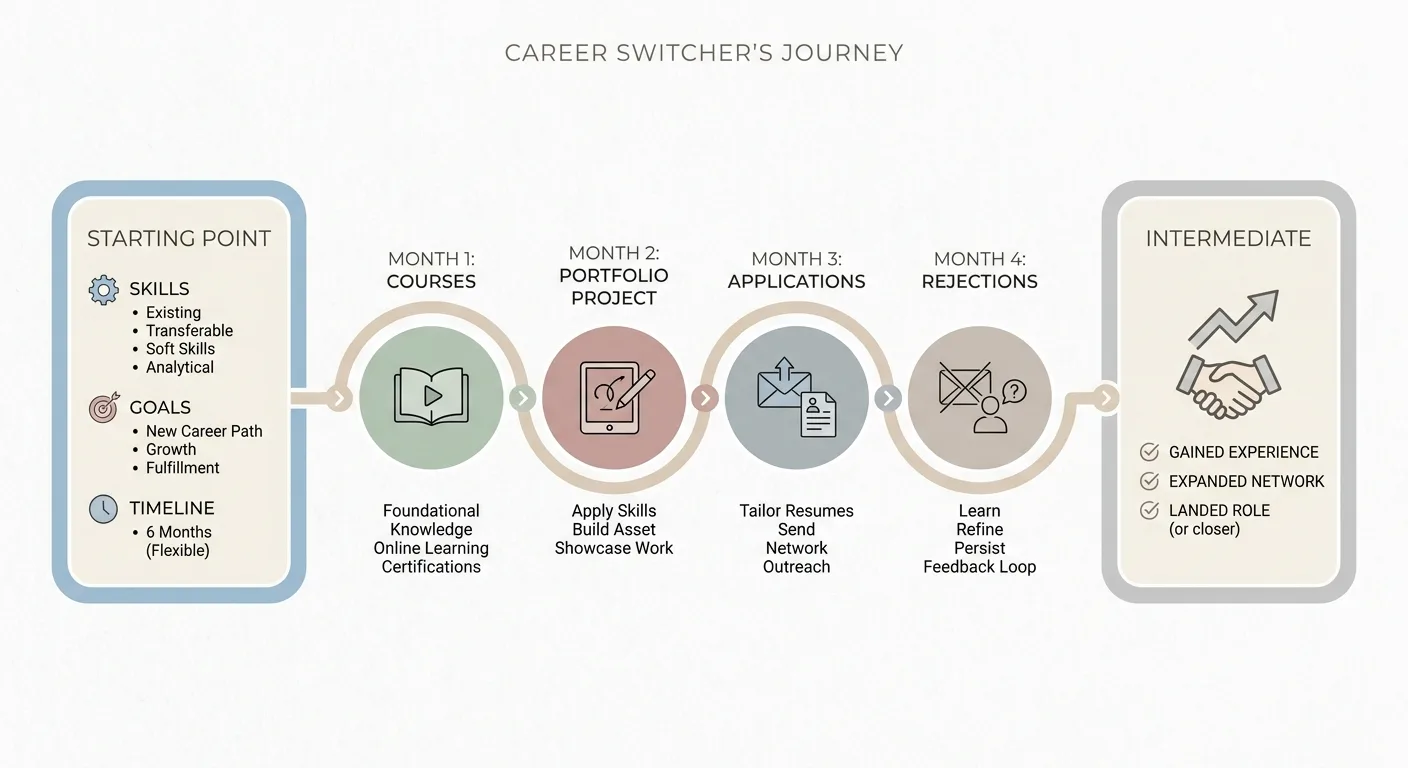
Over time, the blog matures from beginner material into intermediate material with no rebrand required, and few topics to blog about for beginners scale alongside you so naturally.
Privacy needs a decision early. Keep current employers anonymous, avoid confidential details, and settle how public you want to be before your first post goes live.
Picking the One You’ll Still Enjoy by Post Ten
Thirteen options can stall a new writer all over again, so keep the process short:
- Circle the entries where you already have evidence: photos, receipts, notes, or results.
- Draft ten titles for each finalist. Running out of blog ideas and topics before ten is your signal to drop it. Browse the full blog topics hub for adjacent angles before you cut a finalist for good.
- Write one post for the top finalist before buying a domain or a theme.
The best niche for blogging for beginners is simply the one you can start this week.
| Category | Evidence you’ll need | Time per post |
|---|---|---|
| Learning curve (entries 1 to 3) | Practice notes, error screenshots, before-and-after photos, a running term list | One sitting once the week’s attempt or fix is done |
| Campus (entries 4 to 6) | Study hour logs, a full month of spending records, notes from a finished course | Spread across an exam cycle, a month of tracking, or a full term |
| Marketing experiments (entries 7 to 9) | Post tracking spreadsheet, onboarding screenshots, analytics dashboard captures | A month of logging before each report goes live |
| Evergreen (entries 10 to 13) | Your own evidence, plus visible maintenance such as showing when evidence was last checked and replacing obsolete screenshots (beserp.com) | Research up front, then a revisit every few months |
One question still lingers after you choose: will anyone search for this?
When You Can’t Tell If Anyone Is Searching
Autocomplete and forum threads give you direction, but they can’t tell you how many people search a phrase or how hard page one is to win.

That’s where Vee3.ai fits. Because crawling, research, planning, writing, fact-checking, publishing and measurement all live in one workspace, you can gauge demand and page-one competition before drafting a single word. Treat it as support for the filter above; your first-hand evidence still does the heavy lifting. When you’re ready, start building your topic roadmap.
Frequently Asked Questions
Should a new blog stick to one topic or cover several?
Start a new blog with one focused topic. Focused blog topics for beginners let related posts link to each other and build topical depth, which can help a new site get found. Expand into adjacent subjects after roughly ten posts, treating that number as a working guideline. Personal lifestyle blogs can mix topics, though they’re harder to grow through search.
Is it okay to use AI to write beginner blog posts?
Yes, AI works for outlining, structure, and polish. Your photos, results, and mistakes have to come from you, because AI can’t supply first-hand experience. Run every AI-drafted number and claim through fact-checking before you publish, since unchecked drafts can include confident errors that read as fact.
How often should a beginner publish?
Pick a pace you can keep up for the long haul. One quality post a week works for many beginners, while busy students may manage one every two weeks. No universal number exists, so consistency is the priority for a new blog. Updating older posts with new details and a revised “last updated” date counts as progress too.
Final Thoughts
Pick one entry and write its first post this week. A flawed post that goes live will teach you more than a folder of polished drafts that never leave your drive.
What gives blog topics for beginners their power is your fresh, beginner point of view. That perspective has a shelf life, so capture it while it’s still fresh.