
Your next good post is probably sitting in a folder you haven’t opened in months.
We’ve all scrolled past idea lists telling thousands of writers at once to “write about your morning routine.” The problem shows up after you hit publish. The finished post blends into hundreds of others built from that same prompt, because it came from the same source.

Below are 12 ideas built from material working writers already produce.
So what’s sitting in your “cut” folder right now?
TL;DR: The Short Version for Busy Writers
- Your cuts, pitches, and notes form a ready backlog of blog post ideas for writers. Check demand before drafting any of them.
- Process posts serve both fellow writers and potential clients.
- Students can turn coursework into public writing when course policy allows it.
- Personal posts earn their place when the reader leaves with a takeaway.
How we chose these 12:
| Idea # | Raw material you already have | Best fit for |
|---|---|---|
| 1 | Cut sections from edited drafts | Freelancers, staff writers |
| 2 | Rejected pitches | Freelance journalists |
| 3 | Unused research notes | Journalists, researchers |
| 4 | Rough drafts and rewrites | Editors, copywriters |
| 5 | Rules you enforce on drafts | Established writers |
| 6 | Graded essays and reports | Students |
| 7 | Source evaluations | Student researchers |
| 8 | Semester skill practice | Students, early-career writers |
| 9 | Old posts and notes | Bloggers, columnists |
| 10 | One week of writing logs | Any working writer |
| 11 | Repeated emails and questions | Coaches, freelancers |
| 12 | Current top search results | SEO-minded writers |
The Cutting Room Floor Is Full of Posts
Material often leaves a draft because it didn’t fit the brief, not because it was weak. The passage was already researched and thought through.
Recycling isn’t lazy here. Expanding a cut section takes real work, and the result is original by default. Your leftovers come from your own research and drafting, which makes them a dependable source of unique blog ideas.
1. Expand the Section Your Editor Cut
A trimmed passage qualifies when it answers a complete question on its own. Tangents that only made sense inside the parent piece won’t hold up.
Open your last five edited drafts. Collect every cut passage in one document, then highlight any that answer a “how” or “why” question. Those highlights become your shortlist.
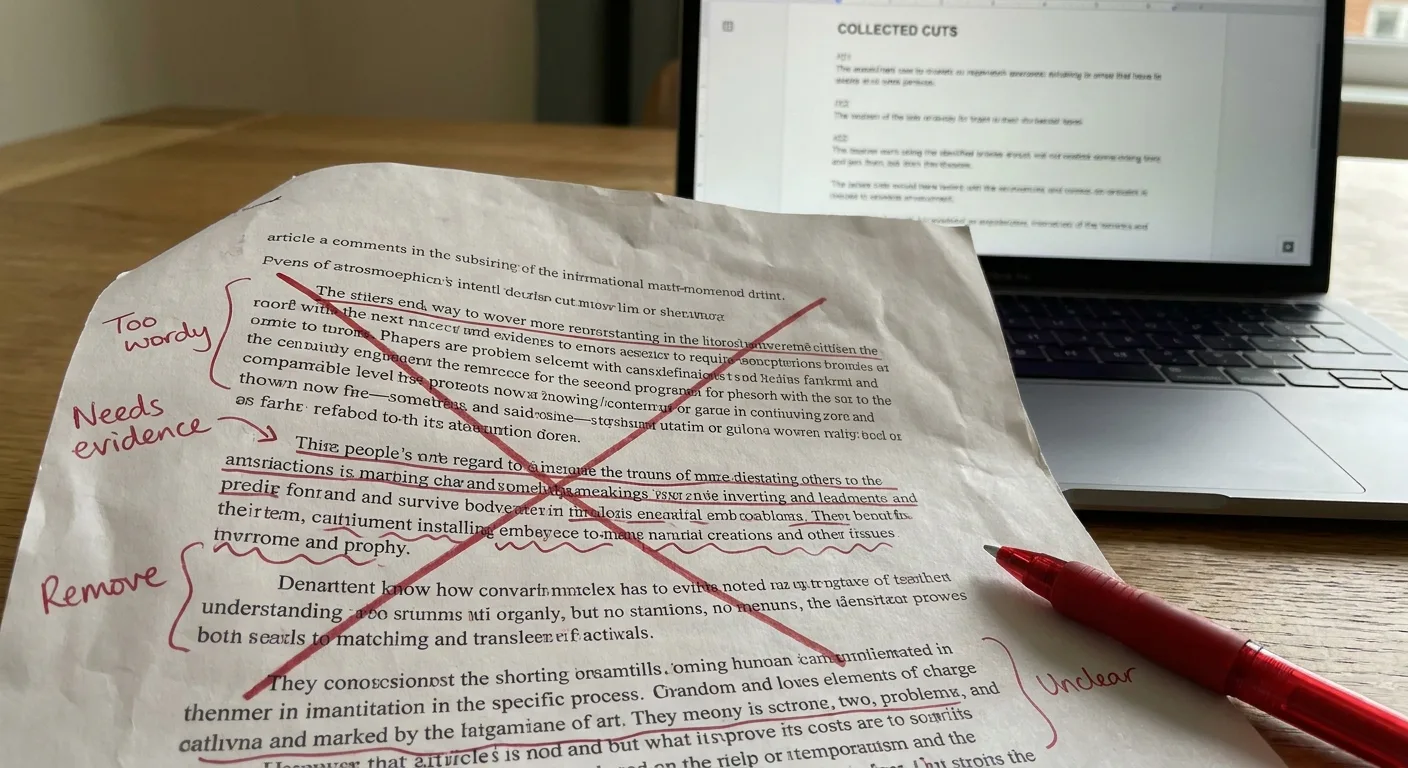
Readers arrive without the context the original article gave them. Write an opening that sets up the problem the parent piece handled for you, two or three sentences at most, before the cut material begins. (Rereading the cut may also convince you the editor was right that it didn’t belong there.)
Client work adds a wrinkle. Client contracts can determine who owns partial drafts if a project ends early, so check the agreement or ask before publishing anything that came out of paid work (Scribbright).
2. Publish the Pitch Nobody Bought
Dead pitches rank among the most overlooked blog post ideas for writers because the angle work is already done. A pitch contains a headline, an angle, and a reason the topic matters now. That’s most of an outline.
| Pitch type | Signal to look for | What to do with it |
|---|---|---|
| Evergreen, broad appeal | Fits outlets you haven’t tried yet | Keep pitching |
| Time-sensitive | The news hook has passed or is fading | Blog it now |
| Niche | Too narrow for most paid outlets | Blog it |
| Strong core, weak hook | Editors liked the topic, not the angle | Rework the angle, then re-pitch |
Consider telling readers the post was pitched first. Some of them enjoy a peek at how editors think, and the context turns a rejection into material.
Publishing closes a door, though. Many outlets treat anything on your blog as previously published, so check an outlet’s guidelines before assuming a paid placement is still possible. Blog it only after you’ve made peace with that trade.
3. Turn Orphaned Research Notes Into a Standalone Explainer
Interview snippets, background reading, and side findings pile up across projects and rarely see daylight. Look for note clusters that answer one clear question.
Tag your old research notes by topic, then pick the cluster with the most material. The biggest pile usually has the depth to carry an explainer.
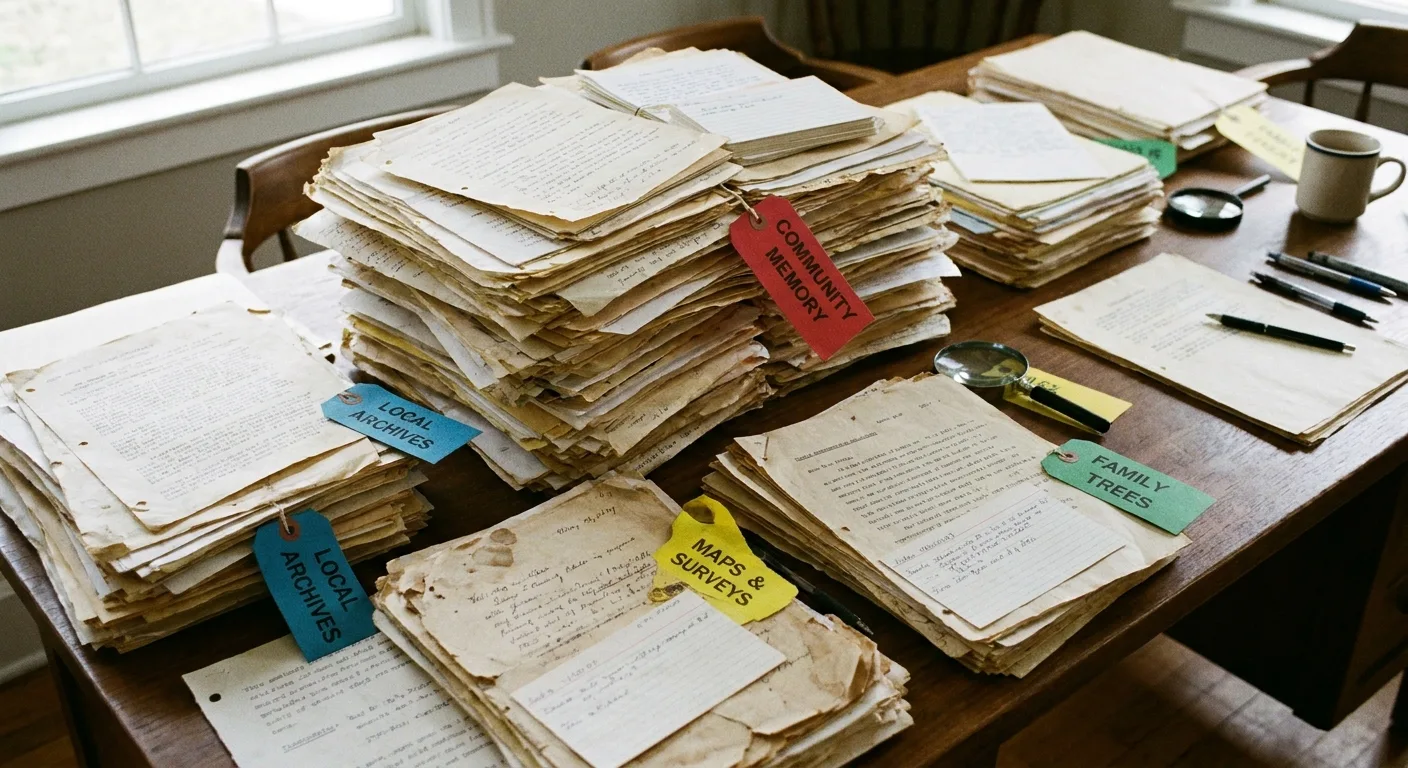
Interview material needs one extra step. Confirm the source agreed to on-record use beyond the original piece before quoting them somewhere new.
Job titles change, numbers get revised, and dates drift out of relevance. Run every figure, title, and date through a simple fact-checking routine that traces each one back to its original source before publishing.
Your Process Is Content Other Writers Want
Process posts make strong blog post ideas for writers because they serve two audiences at once. Peers want technique they can borrow. Clients want proof of how you think.
Behind-the-scenes posts avoid self-indulgence when every section teaches something. Authors who want more prompts in this vein can pair these with our blog topics for authors, then test each one against what’s already in their own files.
4. Walk Readers Through a Messy First Draft and Its Rewrite
A revision teardown places a rough draft beside the finished version and explains each change. Annotate the structural moves, the cut sentences, and the sharpened openings, giving a one-line reason for every edit.
| First draft | Revision |
|---|---|
| “In this post, I’m going to talk about some of the reasons why freelancers might want to think about possibly raising their rates this year.” | “Raise your rates this year. Here’s how to tell clients without losing them.” |
- Cut the throat-clearing opener so the point lands first.
- Replaced “some of the reasons” with a direct claim.
- Added a promise the rest of the post has to keep.
Use your own unpublished or personal writing for the first teardown, which removes permission issues entirely. A client draft requires written approval, and it still needs anonymizing after you get the yes.
Choose a draft whose rewrite changed structure or argument, not just wording, and keep it under about 800 words so the teardown stays readable.
Show the mess honestly. An over-polished “before” version undercuts the whole point.
5. Make Your Personal Style Guide Public
A bare list of rules gets skimmed and forgotten. The reasoning behind each rule is what makes a public style guide worth bookmarking.
List 10 rules you enforce on your own drafts, then write one sentence explaining each.
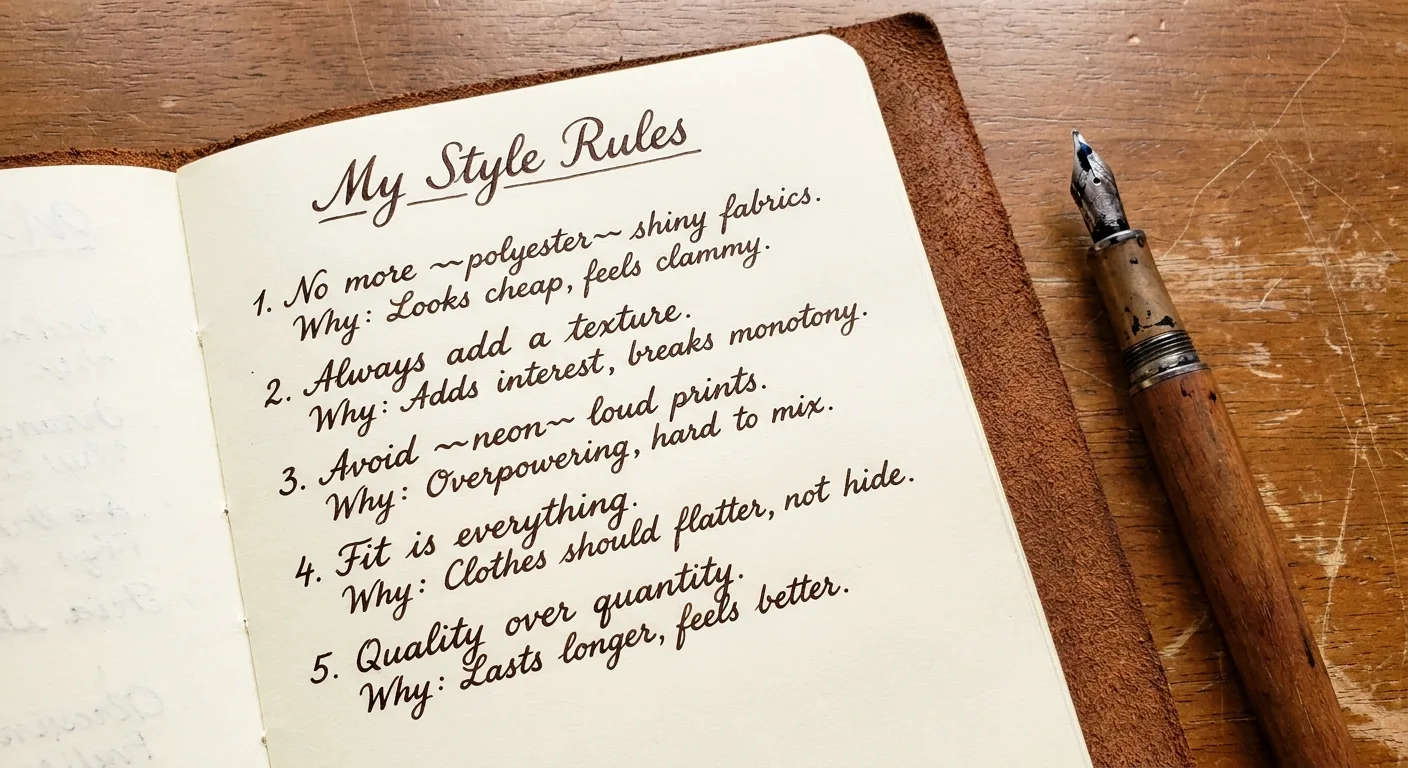
Treat the post as a living document. Update it as your rules evolve and note the date of the last revision, which gives readers a reason to return.
Be careful with authority, though. Your stance on the serial comma is a preference, and readers deserve to know which rules are personal choices and which reflect established grammar.
Coursework That Deserves a Second Life
Students hunting for blog topic ideas for students usually want something that doesn’t feel like homework. Coursework can reach real readers once it’s rewritten for a public audience.
One caveat covers every entry here: check your course and institution policy on publishing assignment work. If publishing still feels like a leap, warm up with these blog topics for beginners first.
6. Repackage an Assignment for Readers Outside the Classroom
Can you post the essay as-is? Not quite. Academic structure buries the point for general readers, who won’t wade through a methods section to find the good part.
Pick an assignment you’d happily explain to a friend, then lead with its most interesting finding. That instinct produces some of the most practical topics for blog writing for students, since the research is done and you already know what excites you about it.
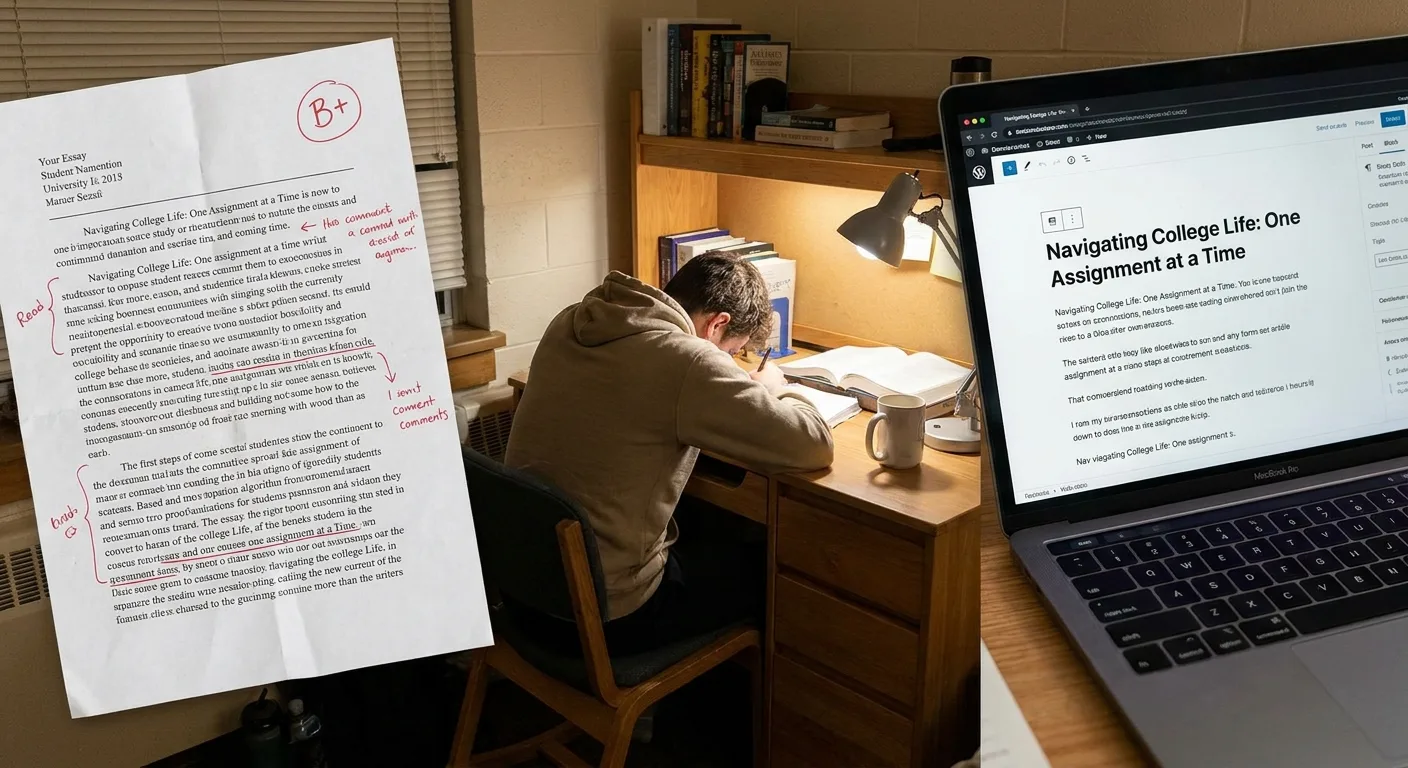
Three more shifts:
- Cut the literature review to a single line.
- Replace formal hedges with plain claims backed by sources.
- Convert citation formatting into inline links wherever the source lives online.
Strip graders’ comments and classmates’ names before publishing.
7. Keep a Source-Vetting Diary
This running post or series documents how you judged sources for a project: which ones you trusted, which you dropped, and why. It stands out among unique blog ideas for students because it shows your reasoning rather than just your conclusions.
Give each entry one source. Record the claim, the check you performed, your verdict, and the reason behind it.
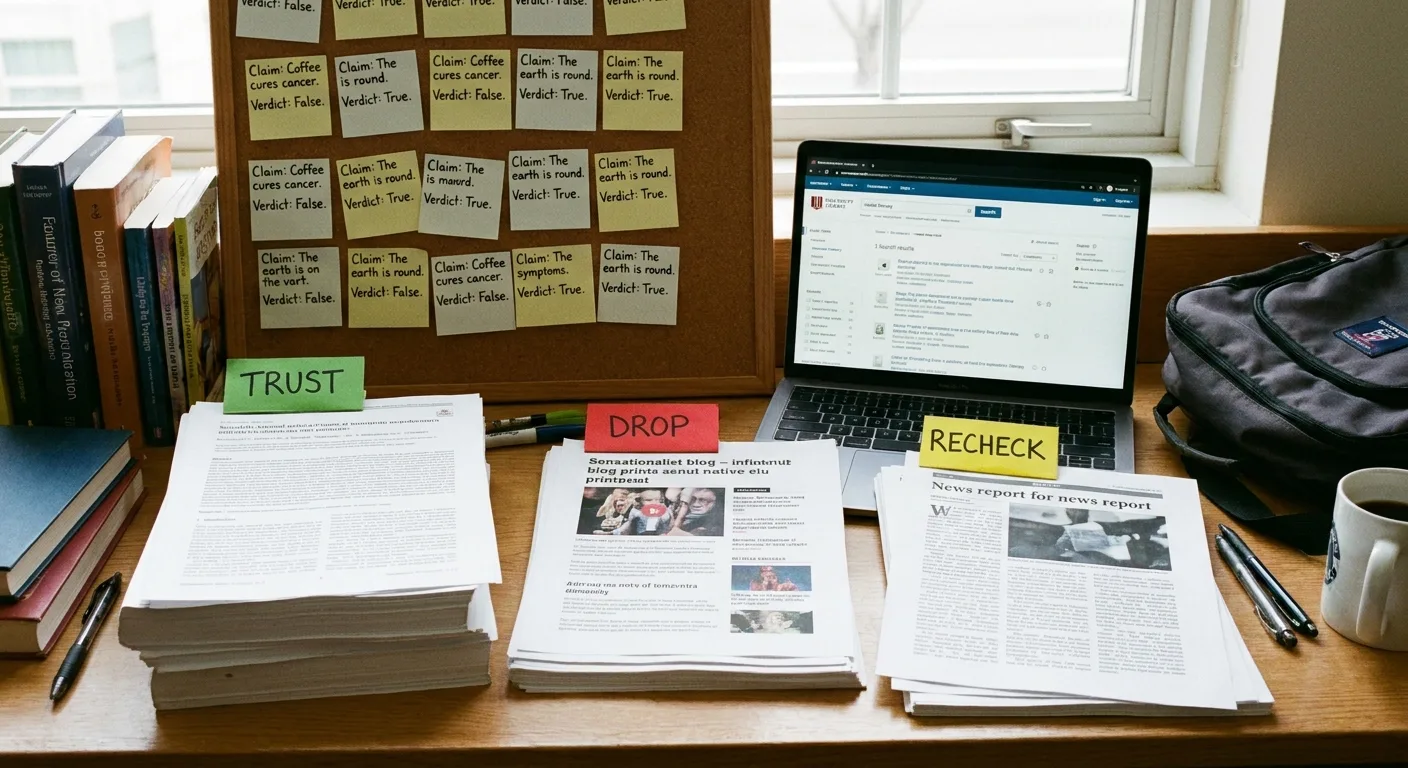
Start with your next research assignment and log three sources before writing a word of the paper.
A list of links with verdicts gives readers nothing to reuse. The diary has to teach a method. Study how professional fact-checkers work and borrow one technique for each source you log, so the “check performed” step becomes something readers can copy. Which source did you almost trust and then didn’t?
8. Document One Skill Across a Full Semester
Choose a single skill, such as interviewing, data visualization, or a language, and track it for a full term. Publish a baseline post in week one, checkpoint posts every few weeks, and a wrap-up at the end.
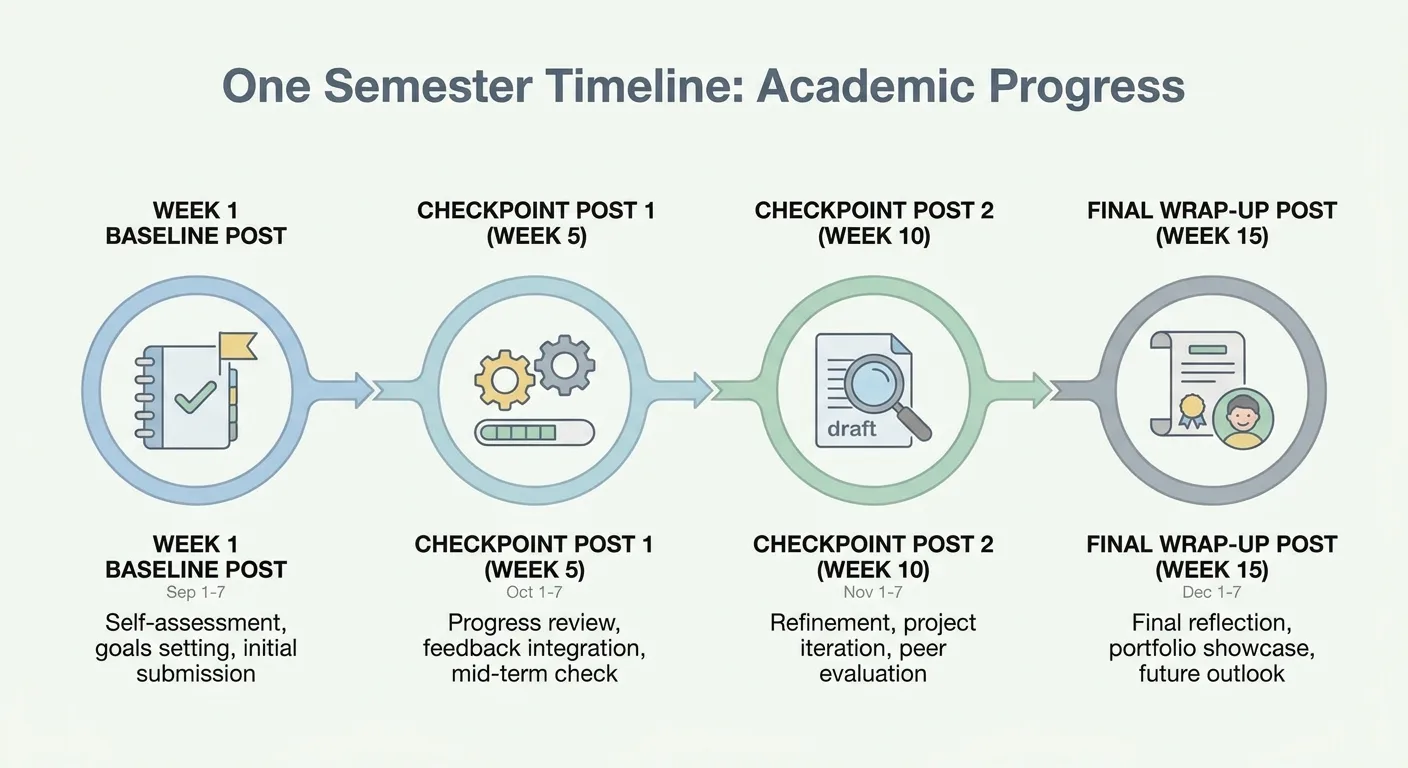
Pick a skill already tied to a course so the practice does double duty.
Series tend to stall. Midterms arrive and checkpoint posts quietly vanish. Schedule every checkpoint date in advance and keep each post short enough to finish in one sitting. The wrap-up states what changed, with evidence pulled from your own work.
Personal Posts That Pull Their Weight
Strong personal blog ideas pass one test: personal context goes in, and a reader takeaway comes out. A healthy wariness of oversharing helps here. The two formats below reveal how you think without drifting into diary territory.
9. Explain an Opinion You’ve Since Abandoned
The “changed my mind” post lays out what you believed, why it made sense then, what evidence or experience shifted it, and where you stand now. Showing your reasoning lets readers judge it for themselves.
Reread posts or notes from two or more years ago and flag any claim you’d now argue against.

Keep the spotlight on the reasoning. Guilt over being wrong makes for uncomfortable reading and teaches nobody anything.
Partial shifts count. Maybe you still outline every piece but no longer treat the outline as binding.
10. Audit a Week of Your Own Writing Routine
A routine audit is one of the few blog post ideas for writers built entirely from data only you can collect. Track start times, minutes spent drafting, minutes spent editing, words kept, and whatever derailed each session.
Log seven days in a plain spreadsheet, then write up the two or three findings that surprised you. Close with one change you’re testing, so readers can run the same experiment on their own week.
Say plainly that one week is a snapshot. Your log shows what happened across seven days, and it can’t support broad claims about “how writers work.”
Ideas Readers Are Already Asking For
Demand shows up in two places: your inbox and the search results page. The safest ideas start with a question someone already asked, which removes much of the guesswork about whether anyone will read the result.
11. Answer the Question People Keep Emailing You
Any question you’ve answered three or more times deserves a post. Readers, clients, classmates, and social followers all count as askers.
Search your sent folder for repeated phrases and group similar questions together.

Put the direct answer first. The nuance and the “it depends” cases follow it. The next time the question lands in your inbox, you send a link and skip the retyping.
Privacy matters here. Never quote or identify askers without their consent, and paraphrase each question in generic terms.
12. Fill the Gap the Current Top Results Leave Open
Search your intended topic and read the top results in full, well past the headlines. Note what each page leaves unanswered: a skipped step, an outdated method, a follow-up nobody addresses. Those gaps are your opening.
Some gaps stay empty for a reason. An empty gap can simply mean low interest, so confirm demand with basic keyword research before drafting instead of trusting the gap on its own. Search interest also changes over time, so recheck it before you start writing. What follow-up question did you have after reading the top result?
Reading the Results Page Before You Draft
Run these four checks on any topic:
| Check | What to look for | What it tells you |
|---|---|---|
| Dominant format | List, guide, or tool in the top spots | The format searchers expect |
| Depth | How fully each page answers the query | Whether a more thorough post can stand out |
| Freshness | Publish or last-updated dates | Whether outdated pages leave an opening |
| Related questions | “People also ask” style questions | Follow-ups the top results skip |
Frequently Asked Questions
Are blog post ideas generators worth using?
A blog post ideas generator works as a warm-up for blank-page days, but its suggestions are available to everyone using the same tool. Generic output becomes useful once you attach material from your own files. The same goes for curated lists of blog topics: borrow the prompt, then add your own cuts, notes, or questions.
Can a blog post generator write these posts for me?
A blog post generator can partially help by drafting from your notes and speeding up structure, but it can’t invent your cut sections or changed opinions. Every figure in an AI draft needs checking against its original source. Making AI drafts sound human still depends on your own edit and your own material, so stay involved past the first draft.
Will personal posts hurt a professional writing blog?
Personal posts won’t hurt a professional writing blog when each one leaves readers with a usable takeaway. They often show judgment that client samples can’t, since samples rarely reveal how you reached a decision. Browse these personal website examples to see how professionals present personal and client-facing work together before deciding how to balance your own blog.
When Good Ideas Compete With Your Own Archive
Mining your own work multiplies ideas quickly, and the backlog soon outgrows your drafting hours. Picking wrong costs real time. A topic with zero demand finds no readers, and a post that overlaps something you’ve already published can split searches across two of your own pages.
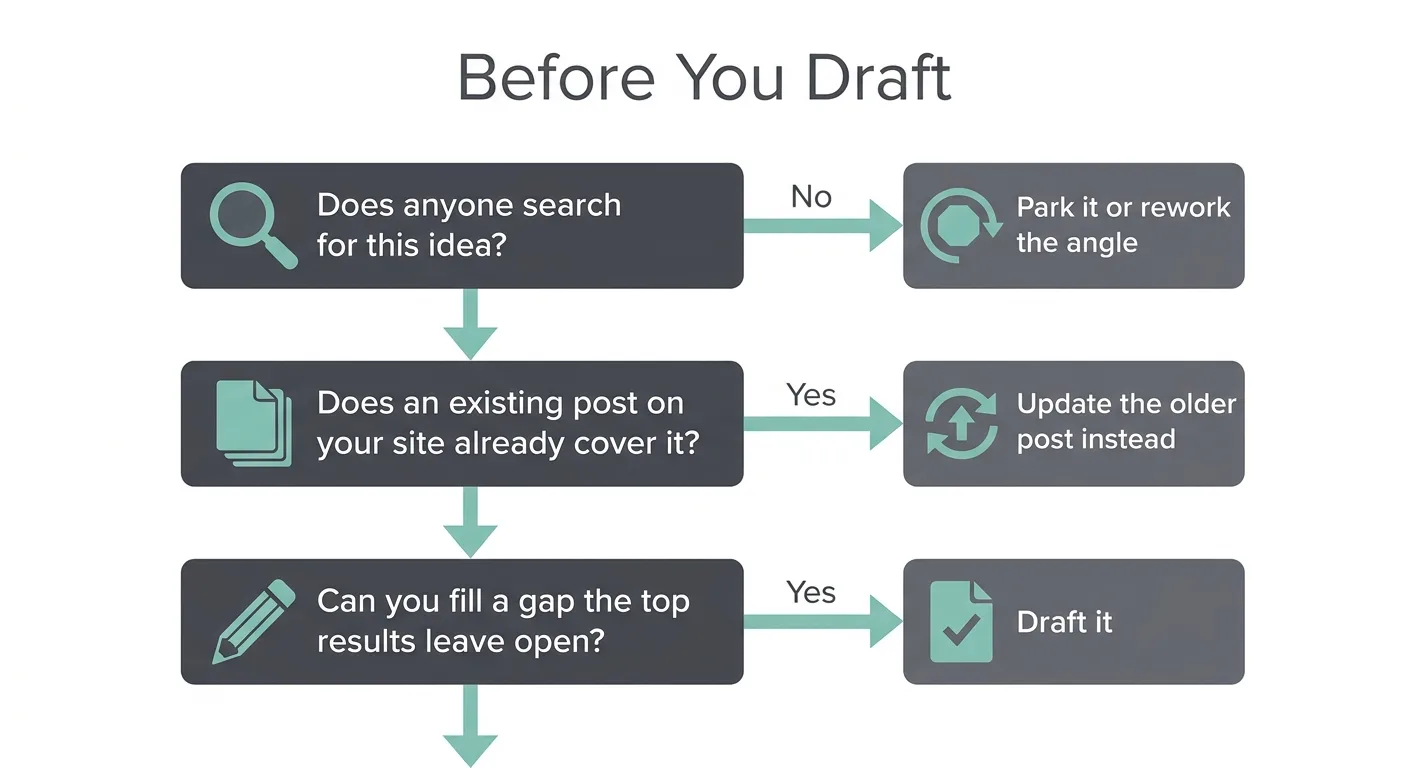
We built Vee3.ai to handle the sorting that’s tough to do by hand. It brings crawling, research, planning, writing, fact-checking, publishing, and measurement into one workspace, so you can map the pages you already have, spot overlap before you draft, and check which new ideas have real search demand. When you’re ready, map your site with Vee3.ai and start building.
Final Thoughts
Open one folder today. Cuts, pitches, research notes, or sent mail: choose whichever you’ve avoided longest and pull out the single strongest leftover. Give it the demand check, write the first paragraph, and stop there if that’s all the day allows.
The first post from your archive is the hardest. Once it’s live, you’ll know where to look for the next one.