
Lifestyle blogs wander. You start with sourdough, drift into balcony gardening, and two years later half your posts cover budget travel. Topic drift is normal, and a name built around this month’s obsession can feel wrong once that obsession fades.
Staring at an empty “name your site” box, it’s easy to feel you’re locking yourself in for good.

That’s why these names were picked for staying power, with cleverness as a bonus. The blog name examples below are grouped by the job each name does, as the table below shows.
TL;DR: The Shortlist Logic Before You Register a Domain
| Group | Start here if | Entries |
|---|---|---|
| Roomy names | Your topics already mix and keep changing | 1 to 3 |
| Niche names with an exit | You have one main focus but want room to expand | 4 to 7 |
| Voice-led names | Readers follow you more than any single subject | 8 to 10 |
| Coined, domain-first names | Every name you like is already taken | 11 and 12 |
The full lifestyle blog name ideas list follows the filters.
Five Filters to Run Every Name Through
Liking a name is a fine start. Run every candidate, including the name ideas for lifestyle blog owners below, through five tests. Registration status for the names in this list hasn’t been checked, so the availability test is yours to run.
The drift test comes first because your future posts are the real audience for the name.
The say-it-aloud test matters because names travel by conversation, and a misspelling sends readers nowhere.

The search-clutter test makes sure people searching for you find your blog rather than a retailer or a big publisher.
The availability test keeps your audience in one place instead of scattered across lookalike accounts.
The attribution test gets overlooked most often. A distinct name gives search engines and AI answer tools a clear entity to tie your content to, while a generic dictionary phrase blends into everyone else’s. A name nothing else shares is a sensible first step toward visibility in AI answers. Plenty of other factors decide where a post appears.
| Filter | What you do | Pass signal |
|---|---|---|
| Drift | Think about the topics you might cover in future posts, since a name that is too specific can limit that range, and you want a name that can evolve with you (influencerseo.com). | Every title still fits under the name |
| Say-it-aloud | Say the name once and ask someone to type it | They spell it correctly on the first try |
| Search clutter | Search the exact name in quotes | Page one isn’t crowded with a retailer, product, or big publisher |
| Availability | Check the .com and your main social handles together | Domain and handles match or come close |
| Attribution | Check whether the name is a common phrase or already tied to a brand | Nothing else meaningfully shares the exact name |
Which of these filters would your current favorite name fail?
Names Roomy Enough for Whoever You Become Next
These daily lifestyle blog name ideas lean on anchor words tied to everyday rhythms: Sundays, hours, home, and the act of editing. Words that broad hold almost any topic you pick up. The catch is that broadness hands the specifying to your tagline and About page, which means both need to explain what the blog is actually about.
1. Slow Sunday Notes: A Name That Welcomes Every Topic
This name gives lifestyle writers plenty of room to grow. Expect home posts, routines, reading lists, low-key food posts, and reflective essays to sit here without strain.

Two variations keep the feel: Slow Sunday Journal and Sunday Notes Studio.
Draft ten post titles across mixed topics (pulling a few from a list of mixed blog topic ideas keeps the test honest) and check whether any feel forced under the name.
One limitation: the slow, weekend tone clashes with high-energy productivity or hustle content. A post titled “My 4 AM Grind Stack” would look a little lost here.
2. The Unhurried Edit: Curation Without a Single Niche
For bloggers who recommend a lot, this name tells readers what format to expect. “Edit” signals that they should expect selection, while “unhurried” lends those picks a calm, distinct voice.
It covers gift guides, home finds, wardrobe staples, and seasonal roundups, which makes it a strong fit for anyone whose posts mostly recommend things.
Run the search-clutter test on the word “edit” in your space. It’s a common word in fashion and beauty naming, so page one may already be busy.
A leading “the” can also make a domain longer. Type out unhurriededit.com and check that it reads cleanly without the article, since the repeated “ed” in the middle can trip people up. (Dropping “the” from the URL is fine as long as the brand name stays consistent everywhere else.)
3. Half Past Home: Wordplay With a Spelling Risk
A clock phrase with a twist, this name evokes evening routines, family life, and the hours spent at home. It suits home content, hosting, and small-space living.
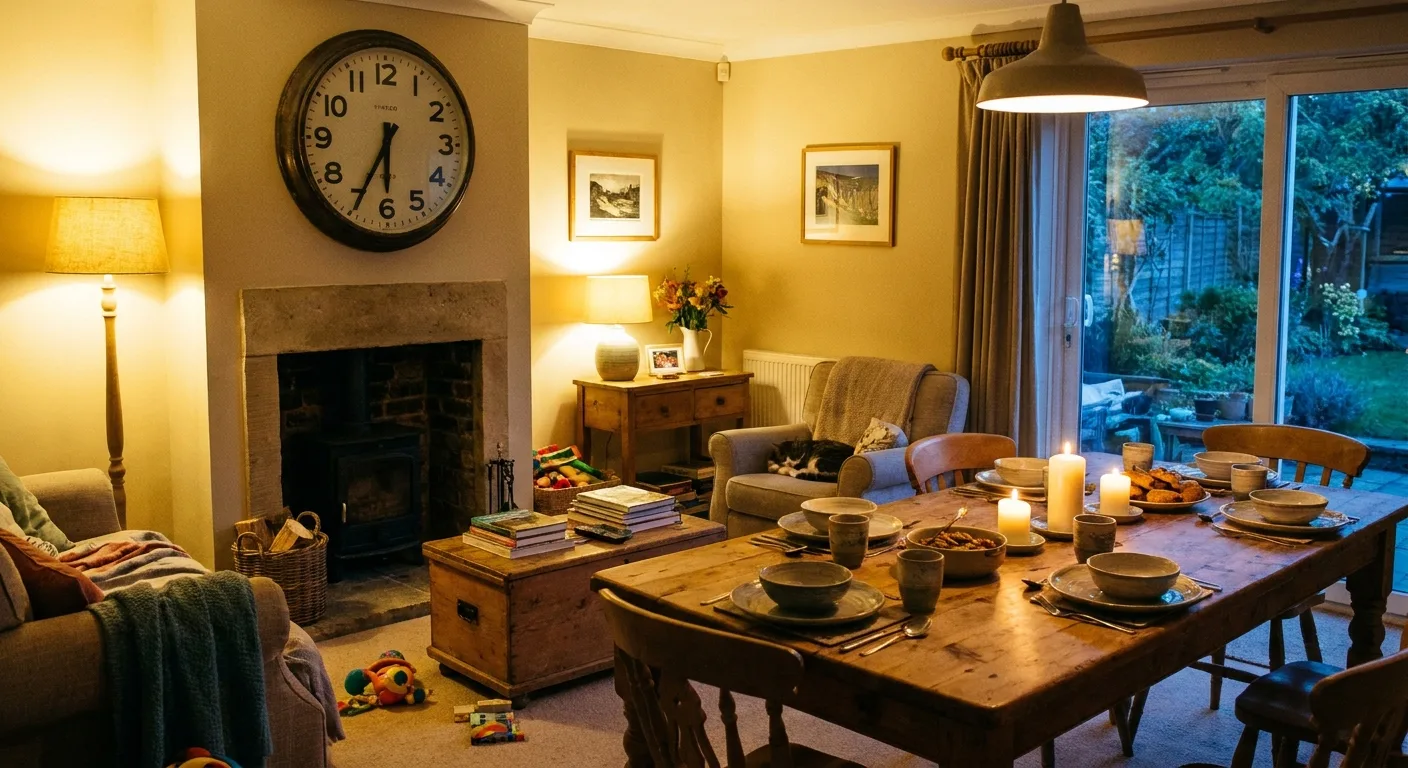
It also makes a good demo of the say-it-aloud filter. Run the test and watch for “half pass home” or “have past home.”
Because the name relies on wordplay, a matching .com matters a great deal here. A listener who half-remembers the phrase needs the right address waiting for them.
Niche Names With a Built-In Exit Door
Each of these blog name ideas for lifestyle bloggers with a clear focus pair one niche word with one open word, leaving room to branch out later without a rebrand. Most names in this group start from wellness or style.
4. The Steady Plate: Food and Balance Without Diet Language
Many healthy lifestyle blog name ideas lean on promises. This one leans on food and balance instead.
“Plate” anchors the blog in cooking and eating, and “steady” signals consistency over extremes. Meal routines, balanced cooking, and grocery planning all belong here.
Steer clear of words such as “detox,” “shred,” or “cure.” They invite skepticism and age badly, while neutral wording stays credible as food trends come and go.
A bio line like “Home cook who plans the week’s meals every Sunday” works because specific, real-life details about what you’ve actually done carry weight (frac.tl). Any phrasing that implies medical expertise you don’t hold does the opposite.
5. Morning Mile Club: A Movement Name That Promises Community
Here, a single word sets a format promise: “club” implies belonging, and the rest of the name ties it to a daily morning movement habit. Good fits include walking, running, morning routines, and newsletter challenges.

Readers will expect a club to behave like one. Plan one recurring community feature before launch, such as a monthly challenge or a reader check-in.
“Mile” also narrows the focus to distance. Weigh that carefully if strength training or yoga might take over your posts later.
Will you want to host a community, or just publish?
6. Thread and Thyme: Wardrobe Meets Kitchen
This name covers both. “Thread” signals clothing, “thyme” signals cooking and gardening, and the shared “th” spelling ties the halves together. Outfit posts, seasonal cooking, and garden-to-table content all have a home here.
Domains can’t contain “&,” so register threadandthyme.com and decide early whether your logo uses the ampersand or the word.
The bigger problem is the sound-alike word. Someone who only hears the name may type “time,” so grab threadandtime.com as a redirect if it’s available.
7. Linen Season: A Seasonal Name That Can Run All Year
A seasonal word raises an obvious question: what happens in January?
“Linen” signals relaxed style, natural fabrics, and an easy aesthetic. “Season” invites recurring, calendar-based content. Expect capsule wardrobes, natural-fiber care, travel packing, and warm-weather hosting.
Give winter a plan by mapping four seasonal series under the name: linen in summer, layered linen in autumn, linen bedding in winter, and transitional pieces in spring.

Readers may still expect warm-weather content first, so pair the name with a tagline that promises coverage in every month.
Names That Sound Like the Person Writing Them
Some readers follow a person, whatever that person writes about. Each name here carries a point of view or a person, with the subject left open. Some work as female blog name ideas, though any writer after a warm, personal tone can use them. The trade-off: a voice-led brand stays tied to you, which matters if you ever want to sell the blog or bring in other writers.
8. Margins and Mondays: For Writers Who Live Between Projects
This is one of the stronger blog name ideas for writers, built for people who see writing as their core identity. Essays, reading notes, creative routines, and freelance life fit naturally, with room left for everyday lifestyle posts.
Consider a Monday publishing slot so the name doubles as a schedule promise. Keeping a bank of blog post ideas for writers makes that promise realistic before launch, especially if a weekly slot feels hard to fill.
That same word can box you in, though. “Mondays” suggests a weekly rhythm, so leave it out if you publish on an irregular schedule.
9. Her Quiet Hours: A Personal Name With Room for Depth
This name skips them.
“Quiet hours” frames the blog as a space for honest, unhurried writing, and “her” names the perspective plainly.

Self-care routines, journaling, motherhood or solo-living reflections, and reading lists suit it well. Run the search-clutter test on “quiet hours,” since the phrase also appears in apps and device settings.
“Her” signals your audience clearly. Decide whether that focus matches the readership you want to build.
10. Plainly, [Your Name]: Using Your Own Name Without Sounding Generic
The template is simple: one tone word plus your first name. Plainly Priya and Simply Maren illustrate the pattern; treat them as illustrations, not names to copy.
Your own name survives any topic change, and the tone word sets expectations before anyone reads a post. Skim a few personal website examples built around the owner’s own name to see how a tone word plays out in a header and bio.
Shortlist three tone words, compare each with how you actually write, and keep the one a reader would naturally use to describe your posts. Those three candidates form your own personal blog name ideas list.
The catch is permanence. Your name stays attached to everything you publish, which raises privacy questions and makes a future sale harder.
Coined Names Built Around an Open Domain
If your favorites keep failing the availability check, start from the domain instead. These lifestyle blog domain name ideas use invented or merged words with a clear root to raise the odds of a short, clean domain.
11. Hearthly: A Coined Word With a Familiar Root
“Hearth” signals home and warmth, and the “-ly” ending makes it sound like a brand. It covers home, comfort cooking, family life, and seasonal living.
A recognizable root keeps a coined word easy to say and remember. Build your own options by pairing a root word from your core topic with suffixes such as -ly, -ful, or -wise, then run each through the say-it-aloud test. When your favorites are already taken, this method spins a single topic into a fresh batch of candidates.
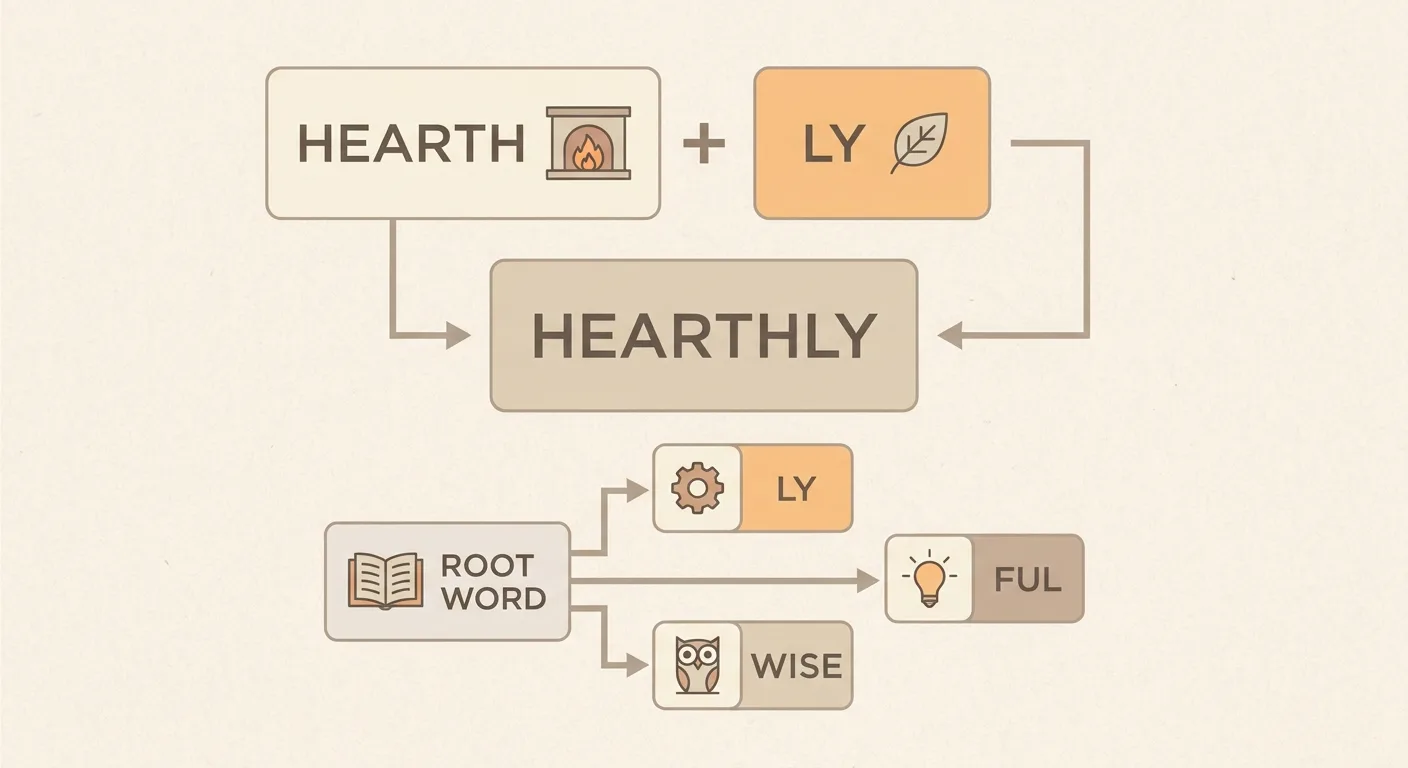
Coined names carry little meaning on their own, so a tagline such as “Home, slowly made” does the explaining.
12. Brightwick: A Compound Name That Leaves Every Door Open
“Bright” plus “wick” evokes candlelight, a cozy mood, and a fresh outlook. A merged form like this is less likely to collide with common phrases, though the search-clutter test still applies.
Any mix of lifestyle topics fits, making it the most drift-proof name on this list.
Decide on capitalization early: Brightwick or BrightWick. Lock the chosen spelling into the logo, handles, and bio, and keep it identical in your site’s schema markup too, so every mention describes one consistent name.
Compound names can split awkwardly in URLs. Read brightwick.com aloud and scan it for unintended words before you buy.
Getting Real Value From a Blog Name Generator
Treat a blog name generator as a brainstorming input; the final call is yours. None of its suggestions belong on your shortlist until they clear all five filters.
What Free and Creative Generators Do and Don’t Do
Any blog name generator free to use will produce dozens of combinations in seconds, and that speed is handy when you’re stuck.
Depth is where these tools fall short. A typical creative blog name generator pairs your keyword with stock suffixes such as “hub” or “life,” and most won’t confirm trademark or handle status.
Mine the output for single words or roots that echo the keywords your readers search, then build names from those parts yourself.

Prompting an AI Generator for Names That Pass the Filters
The quality of an AI blog name generator’s suggestions depends on the request you feed it. Build your prompt from these ingredients:
- Your current topics
- Three tone words
- Words to avoid
- A length limit
- A request for names with no hyphens or numbers
Ask the tool to explain each suggestion’s meaning, then discard any it can’t justify. (Expect most of its ideas to go.)
AI output can echo existing brands, so every candidate still goes through the search-clutter and availability checks.
Locking In Your Pick in One Sitting
- Cut any name that failed a filter.
- Check the domain and handles for the survivors together.
- Search your country’s official trademark database for the exact phrase.
- Pick by tie-breaker.
- Register the domain and claim the handles the same day.
Two tie-breakers settle most standoffs. Which name would you say confidently at a dinner party? And which one still fits your five future post titles? Borrow a few from beginner-friendly blog topics if those titles are hard to picture, and see which finalist still holds them all.
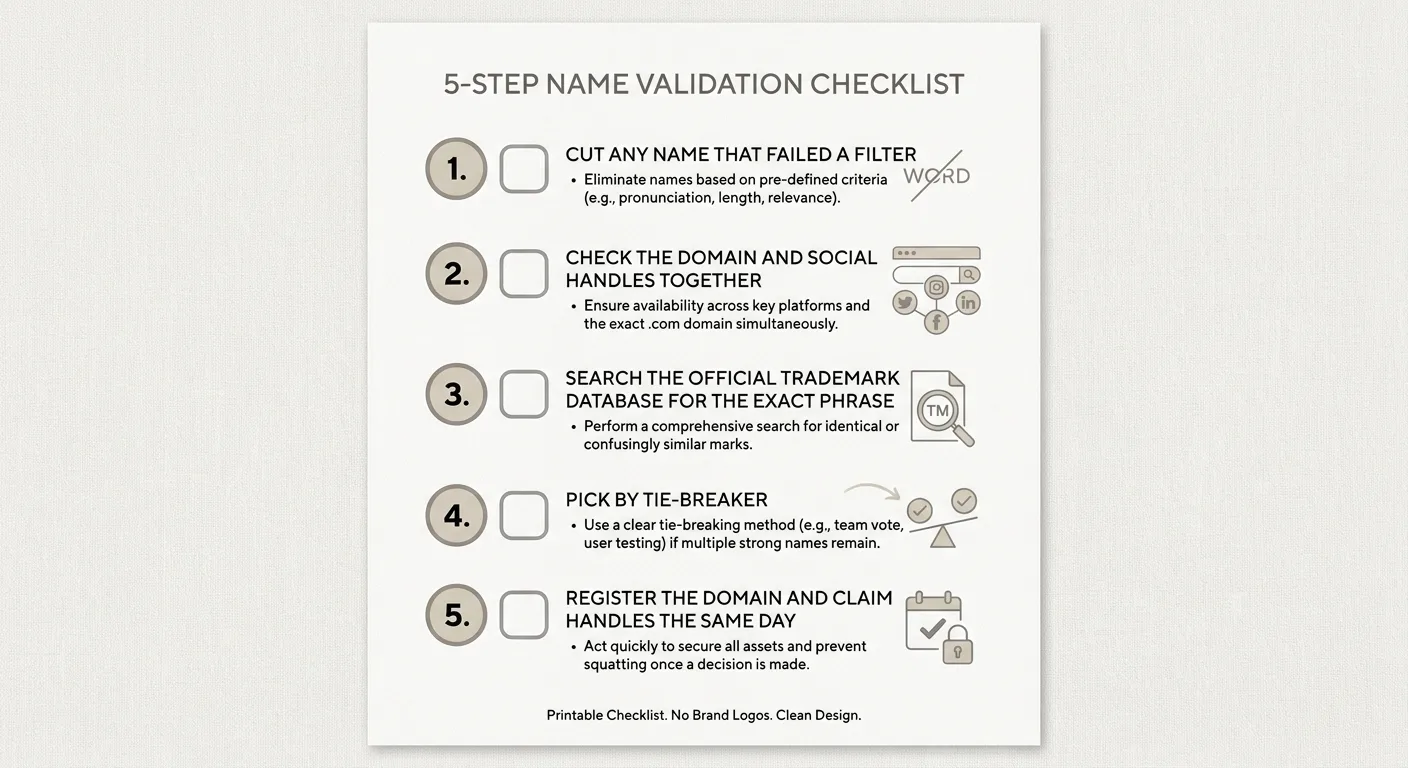
A trademark search lowers risk but isn’t legal advice; see the FAQ below.
Which name would you still be proud of after you’ve changed half your topics?
After the Name: Getting the New Blog Found
New bloggers often guess at their first posts, publish pages that compete with one another, and never check whether AI answers mention them. Keyword clustering tools group real searches by meaning, which keeps your first posts from stepping on each other.
Your next job is publishing content worth citing. Vee3.ai describes its workflow as crawl, research, plan, write, fact-check, publish, and measure, and presents itself as built for SEOs and ready for AI search.
Plan your first content cluster in Vee3.ai and start building.
Frequently Asked Questions
Can I change my lifestyle blog’s name later without losing readers?
Yes, you can rename a lifestyle blog later, as long as you plan the switch. Keep the old domain and redirect it permanently to the new one, announce the switch to email subscribers and social followers, and update every bio in the same week. Expect some confusion during the transition. Choosing a drift-proof name from the start lowers the odds of a second rename, and repeat renames wear on readers.
Do I need a .com, or will another extension work?
A .com isn’t required, but it matters most when your name spreads by word of mouth. Many people type .com out of habit, so a listener who hears your name will likely try that first. Alternative extensions can work for social-led blogs, where most visitors arrive through a link in your bio. Check who owns the .com as well, since an active site there can siphon your visitors.
Should I trademark my blog name?
Many hobby bloggers hold off on trademarking at launch and revisit it once the name carries products, courses, or brand deals. Registration rules and costs vary by country, and the trademark search in the one-sitting sequence above gives you an early read on conflicts. This isn’t legal advice, so have a trademark professional confirm the specifics for your situation.
Final Thoughts
Choose the name that passes all five filters, even when a cleverer option tempts you.
Expect any name to feel a little strange at first. It starts to feel right once you live with it, signing off emails, introducing yourself with it, and noticing readers use it when they talk to you.
Pick your top three from these lifestyle blog name ideas or from your own generator results, put each through the one-sitting sequence, and claim the winner before the day is out.